How to Clean a Coffee Maker With Vinegar
Cleaning a coffee maker with vinegar is a practical, natural way to remove mineral buildup and keep brews tasting fresh. This method works for most drip and single-serve models and helps extend the appliance’s life. The steps below combine simple vinegar solutions with accessible cleaning tools to ensure a thorough, safe process.
Quick Answer
Mix equal parts white vinegar and water, run a brewing cycle, pause to let the solution soak, and then rinse with several cycles of plain water. Use brushes and towels to scrub removable parts and the carafe, then dry and reassemble before the next use.
What You’ll Need
- coffee maker cleaning brush set
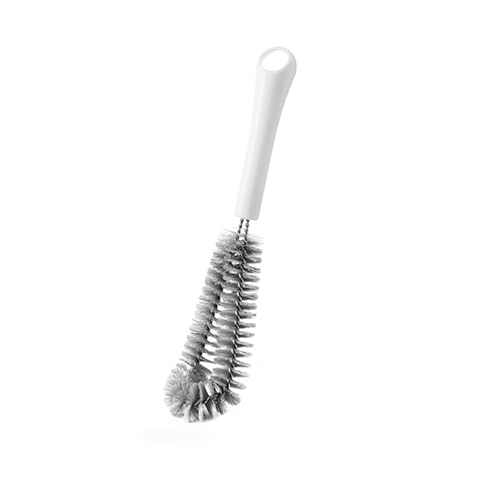
- carafe cleaning brush for coffee maker
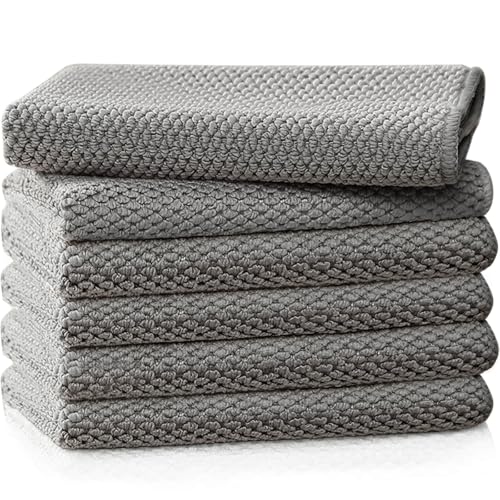
- microfiber towel coffee maker cleaning cloth

Before You Start
Unplug the machine and remove all detachable parts, including the carafe and filters. Empty any remaining coffee and rinse components with warm water. Do not mix vinegar with bleach or other cleaners. Check your user manual for model-specific guidance, especially if your machine has a sensitive oil or soft-touch coating. The time estimate for a full clean is typically 30–60 minutes, depending on the crevices and how often scaling has built up.
Step-By-Step: How To Clean A Coffee Maker With Vinegar
- Prepare the vinegar solution: mix 1:1 white vinegar and water in the carafe.
- Fill the water reservoir with the vinegar solution and place a damp microfiber cloth over the carafe opening to catch drips.
- Run a complete brew cycle on a normal setting.
- Pause the cycle halfway to let the solution soak in the heater and internal tubes for 15–20 minutes.
- Finish the cycle, then let the machine sit for 10–15 minutes to dissolve mineral deposits.
- Rinse the reservoir with clean water, then run 2–3 cycles of plain water to flush the vinegar taste.
- Remove and wash the carafe, lid, and any removable filters with warm soapy water; scrub with the carafe cleaning brush for coffee maker to remove film.
- Rinse all parts thoroughly and dry with a microfiber towel before reassembling.
- Wipe the exterior, including the warming plate, with a damp cloth to remove any splashes or residue.
- Run an extra warm-water cycle and inspect the brew basket and seals for any remaining buildup.
- Repeat the process if you notice persistent mineral deposits, but avoid over-cleaning which can wear gaskets over time.
Troubleshooting
| Symptom | Likely Cause | Fix | Prevention |
|---|---|---|---|
| Vinegar flavor in coffee | Insufficient rinsing | Run 2–3 extra plain-water cycles | Rinse until odor-free |
| Slow dripping or incomplete brew | Clogged filters/tunnels | Use carafe cleaning brush for coffee maker to scrub removable parts; run cleaner cycles | Clean monthly or as recommended |
| Residual mineral buildup after cleaning | Hard water deposits | Repeat vinegar cycle or use a descaling solution | Regular maintenance with distilled water |
| Gasket or seal leaks | Worn seals or over-tightening | Inspect and replace worn parts; avoid aggressive scrubbing | Handle parts gently |
Common Mistakes
- Using only hot water without vinegar for mineral removal
- Rinsing with insufficient plain water cycles
- Over-cleaning or scrubbing sensitive surfaces
- Ignoring manufacturer cautions about certain coatings
Tips For Best Results
- Use distilled or filtered water to minimize new mineral buildup between cleans.
- Schedule regular descaling every 1–3 months based on water hardness and usage.
- Wipe the exterior and cords to prevent grime from migrating into cleaning cycles.
- Keep the carafe and filter basket dry between uses to prevent mold growth.
- If your machine has a descaling setting, alternate with vinegar cycles for efficiency.
Call A Professional
If the machine leaks from the base, displays error messages, or fails to heat properly after thorough cleaning and descaling, contact a service professional. Seek help if the unit is under warranty and you notice unusual noises, electrical shorts, or visible damaged seals. Do not attempt internal repairs yourself, which can void warranties and pose safety risks.
FAQ
Can I use white vinegar to descale any coffee maker?
Most drip and single-serve machines respond well to white vinegar; check the user manual for model-specific guidance.
How often should I descale with vinegar?
Typically every 1–3 months, depending on water hardness and usage.
Is it safe to use brushes on the carafe and baskets?
Yes, use the appropriate cleaning brushes to avoid scratching nonstick coatings.
What if the coffee still tastes vinegary after rinsing?
Run additional plain-water cycles until the taste and odor disappear.
Buying Guide
When choosing gear and supplies for keeping a coffee maker clean, consider size, noise, energy efficiency, controls, and placement. For this topic, consider:
- Size and capacity: Ensure the machine and any cleaning brushes fit your model’s dimensions and your kitchen space.
- Noise level: Some descaling cycles can be louder; plan cleaning during wakeful hours if noise is a concern.
- Energy efficiency: Look for models with efficient heating elements and automatic shutoffs to conserve energy during idle times.
- Controls: Simple, intuitive controls reduce the risk of improper cleaning cycles and ensure consistent results.
- Placement: Keep the machine on a flat, stable surface away from heat sources and moisture-prone areas; have easy access to the reservoir for your cleaning solution.
- Accessories compatibility: Use a dedicated carafe cleaning brush for coffee maker and microfiber towels for quick wipe-downs to maintain the unit’s finish.
Leave a Reply