How to Clean Perforated Leather Car Seats
Perforated leather seats add luxury and comfort to a vehicle, but their tiny holes can trap dirt, oil, and dust. Proper cleaning preserves breathability and extends the life of the material. This guide walks through safe methods, recommended tools, and fast fixes specific to perforated surfaces.
Quick Answer
For perforated leather seats, use a gentle cleaner, a soft brush, and a microfiber cloth. Avoid saturating the material; work in small sections and dry promptly to prevent moisture from seeping into seams. Finish with a protective conditioner suited for perforated leather.
What You’ll Need
- Perforated leather car seat cleaning brush to dislodge embedded grime in tiny holes
- Microfiber car upholstery cleaning cloth for perforated seats for gentle lifting without abrasion
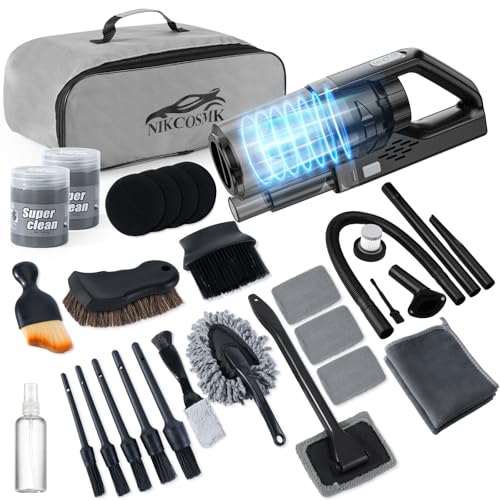
- Car detailing kit with interior brushes and vacuum crevice tool to reach seams and under bolsters
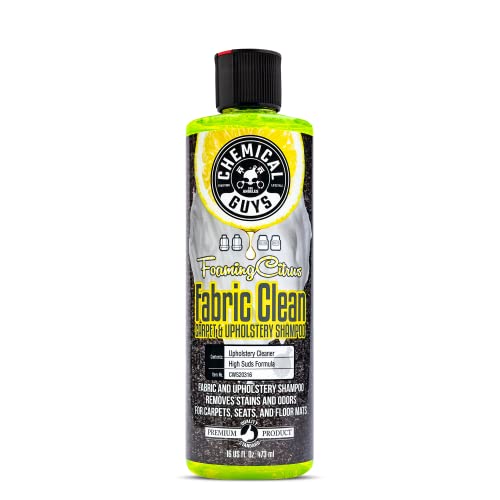
- Leather-safe cleaner or mild soap diluted in water
- Optional leather conditioner designed for perforated textures

Before You Start
Check the seat care label and test any cleaner on a hidden area first. Work in a well-ventilated space and wear gloves if cleaning concentrated products. Time range: 20–45 minutes depending on seat condition. Avoid soaking the leather and never apply cleaner directly to stitched seams, where moisture can seep and cause swelling or mold.
Step-By-Step: How To Clean Perforated Leather Car Seats
- Vacuum the seats thoroughly to remove loose debris, paying attention to the perforations and seams.
- Lightly dampen the microfiber cloth or use a small amount of leather-safe cleaner on the cloth, not directly on the seat.
- Gently wipe the surface in a circular motion, focusing on severely soiled areas and avoiding excess moisture near stitching.
- Use the perforated-seat cleaning brush to brush inside holes, then wipe with the microfiber cloth to remove dislodged dirt.
- For stubborn spots, apply a thin amount of cleaner, let it sit briefly, and wipe away with a clean cloth.
- Allow the seat to air-dry fully, then apply a leather conditioner if recommended for perforated textures.
- Repeat as needed on high-traffic sections, keeping movements light to preserve perforations.
- Inspect the entire seat for missed areas and re-clean any spots that appear dull or stained.
- Vacuum again to remove any conditioner residues after it dries completely.
- Reassemble and enjoy the refreshed interior without leftover cleaner film.
- Store cleaning tools in a dry, ventilated place to prevent mold growth.
Troubleshooting
| Symptom | Likely Cause | Fix | Prevention |
|---|---|---|---|
| Seats feel sticky after cleaning | Excess cleaner residue | Wipe with a clean, damp microfiber cloth and dry | Use minimal product and test first |
| Leather looks dull | Moisture too long in perforations | Increase drying time and ventilate | Avoid over-wetting |
| Discoloration near seams | Cleaner not compatible with dye | Stop and switch to a leather-safe product | Patch test on hidden area |
| Holes clogged with buildup | Built-up grime in perforations | Use brush gently and repeat | Regular cleaning schedule |
Common Mistakes
- Using harsh cleaners that strip color or dry out leather
- Soaking perforations with liquid cleaners
- Using abrasive brushes that scrape the surface
- Skipping drying time, leading to moisture damage
Following best practices helps preserve the look and feel of perforated leather over time.
Tips For Best Results
- Test cleaners on hidden areas before full use to avoid color transfer
- Work in sections to prevent over-wetting
- Use microfibers that trap dirt without scratching
- Periodically condition perforated leather to maintain suppleness
- Keep a dedicated cleaning kit in the car for quick touch-ups
Call A Professional
Consider a professional if seats show deep stains, persistent odors, or if the leather appears cracked or separated. Seek help when cleaning requires pressure or heat tools, or if you lack proper ventilation in the vehicle. Stop cleaning and consult a pro if you notice color bleeding, dye transfer, or swelling around seams.
FAQ
What cleaner is safe for perforated leather?
Use a leather-safe cleaner designed for automotive perforated leather and follow the product instructions.
Can I use a regular vacuum on perforated seats?
Yes, a standard vacuum with a soft brush attachment works, but avoid high suction near stitches to prevent damage.
How often should perforated leather seats be cleaned?
Clean every 1–3 months, or sooner in high-traffic or dusty environments.
Is conditioner necessary for perforated leather?
Conditioner helps maintain moisture and flexibility, but choose a product compatible with perforations and use sparingly.
Buying Guide
When selecting tools and products for perforated leather seats, consider size, noise level, energy efficiency, controls, and placement. Look for a compact cleaning kit that fits in the car and includes interior brushes and a vacuum crevice tool. Choose a microfiber cloth set that is lint-free and durable, ideal for repeated cleanings. Compare cleaners and conditioners for leather compatibility with perforations, ensuring gentle formulas that won’t clog holes. For best results, prefer a kit with clear usage directions and color-safe formulas. Always test products in an inconspicuous area first to avoid color transfer.
Leave a Reply