How to Clean Non Organic Strawberries Safely and Thoroughly
Cleaning non organic strawberries properly helps remove dirt, pesticides, and surface residues while preserving delicate fruit. This guide outlines practical steps, recommended tools, and best practices to keep berries fresh and ready to eat or use in recipes.
By following a careful routine and using the right supplies, households can reduce contaminants and minimize unnecessary waste. The focus is on gentle handling, effective rinsing, and drying techniques that work across common kitchen setups.
Quick Answer
Rinse strawberries gently in cool water, use a soft-bristle berry cleaning brush for stubborn bits, and dry thoroughly before storage or consumption. A dedicated wash spray helps, and a draining bowl reduces water pooling.
What You’ll Need
- Berry cleaning brush for strawberries soft bristle
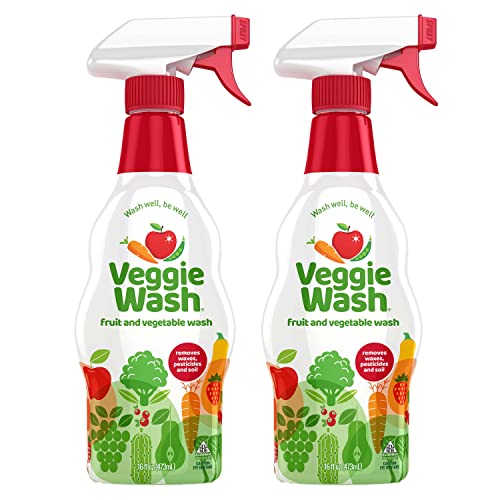
- Produce wash for berries strawberries 16oz spray bottle
- Strawberry washing bowl with drain strainer


Before You Start
Before cleaning, remove any spoiled berries to prevent mold or moisture transfer. Rinse surfaces and keep the berries in a cool environment if not washing immediately. Always wash hands before handling fruit, and avoid soaking berries for extended periods, which can cause mushiness or nutrient loss. The process typically takes 5–10 minutes per batch and should be completed just before use for maximum freshness.
Step-By-Step: How To Clean Non Organic Strawberries
- Prepare the workspace by clearing clutter and placing the strawberry washing bowl with drain strainer on a stable surface.
- Fill the bowl with cool, clean water, keeping the water level shallow to prevent berries from submerging entirely.
- Place the berries in the water and gently move them with your fingers to loosen surface soil and residues.
- Use the berry cleaning brush for strawberries soft bristle to lightly scrub any stubborn spots without bruising the fruit.
- Rinse the berries under a gentle stream of cool water to remove loosened dirt and bubbles from the cleaning solution or rinse.
- If using a produce wash, spray a light, even mist over the berries, then rinse again to ensure no residue remains.
- Allow the berries to drain in the bowl’s strainer, or transfer to a clean, dry towel to absorb excess moisture.
- Spread the berries on a dry surface or a breathable container lined with paper towels to finish drying completely.
- Inspect for any remaining pests or damaged fruit and remove as needed.
- Store cleaned berries in a breathable container with a paper towel layer to wick moisture and extend freshness.
- Use cleaned berries within their peak freshness window for best flavor and texture.
Troubleshooting
| Symptom | Likely Cause | Fix | Prevention |
|---|---|---|---|
| Berries stay soggy after washing | Excess moisture during drying | Increase drying time and pat gently with a towel | Dry thoroughly before storage; use breathable containers |
| Peels discolor after washing | Over-scrubbing or harsh cleaners | Use gentle brushing and water alone or mild wash | Avoid aggressive scrubbing |
| Residue remains after rinse | Water quality or heavy wash spray | Rinse with clean water, or omit wash spray if not needed | Rinse with cool, running water |
| Berry surfaces bruise easily | Rough handling during cleaning | Handle gently and support berries during washing | Use soft tools and minimal agitation |
Common Mistakes
- Washing berries under hot water, which can damage texture
- Saturating berries in water for too long, causing mushiness
- Using aggressive brushes that tear delicate surfaces
- Not drying berries fully, leading to mold during storage
Tips For Best Results
- Wash berries right before consumption or use to preserve flavor and nutrients
- Use a dedicated produce wash only if needed; otherwise, cool water is effective
- Dry completely with a clean towel or let air-dry in a single layer
- Store berries in a breathable container with a paper towel to absorb moisture
- Keep berries refrigerated to extend freshness after washing
Call A Professional
In the context of household cleaning, a professional is rarely required for strawberries. Seek expert help if berries show signs of spoilage that cannot be removed by washing, such as widespread mold or unusual odors indicating contamination. If you suspect chemical exposure beyond typical produce handling, contact local health guidance or a food safety professional for evaluation.
FAQ
Can I use dish soap to wash strawberries?
Generally not recommended. Use cool water or a specialized produce wash following label instructions.
How long should I rinse after washing?
Rinse until all soap or wash residue is gone and the water runs clear.
Is it safe to wash berries ahead of time?
Washing right before use preserves texture and flavor; washing ahead can shorten shelf life.
What’s the best way to dry strawberries?
Pat gently with a clean towel or use a drying rack to allow air drying in a single layer.
Buying Guide
When selecting tools for cleaning non organic strawberries, consider key factors that affect performance and ease of use. Size and capacity should fit your household needs, while materials determine durability and food safety. Noise level matters for kitchen comfort, and energy efficiency applies mainly to powered spray options. Controls should be simple, with clear on/off and spray settings. Placement—such as a dedicated prep station or clutter-free sink area—impacts workflow. Here’s how to compare options:
- Size and Capacity: Choose compact tools for small kitchens or larger sets for frequent fruit washing. A bowl with a drain strainer helps control water flow and keeps berries supported.
- Cleaning Action: Soft-bristle berry brushes minimize damage; sprayers provide quick, even application of wash.
- Material Safety: Ensure brushes are BPA-free and washes use food-safe materials.
- Maintenance: Tools should be easy to clean and dry, with detachable parts for thorough drying.
- Storage: Look for compact designs that store neatly near the sink without clutter.
- Cost and Warranty: Consider durability and any warranty coverage when evaluating value.
Leave a Reply