How to Clean Mouth Guard for Grinding Teeth
Grinding teeth, whether during sleep or stress, calls for a mouth guard that stays clean and hygienic. Regular cleaning helps prevent bacteria buildup, keeps the material intact, and extends the life of the guard. This guide provides practical steps using common tools and products available in the U.S. market.
By following these steps, users can maintain a fresh fit while reducing odors and potential gum irritation. The emphasis is on simple routines that fit into daily or weekly care without specialized equipment.
Quick Answer
Best quick method: Rinse after each use, brush with a soft toothbrush, soak weekly in a hydrogen peroxide solution or specialized cleaning tablets, then rinse thoroughly. For deeper cleaning, an ultrasonic cleaner designed for night guards can be used occasionally.
What You’ll Need
- Night guard cleaning kit ultrasonic cleaner
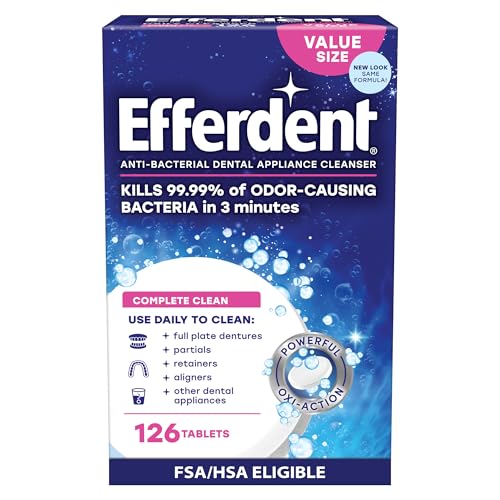
- Dental night guard cleaning tablets hydrogen peroxide
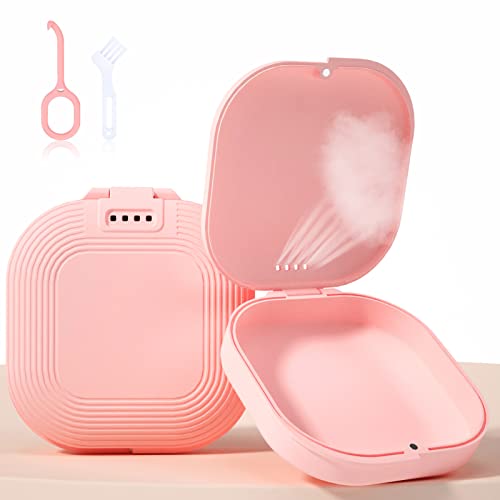
- Mouth guard brush and case

Before You Start
Place the guard in a clean area away from heat. Check for any visible wear or cracks before cleaning. Do not place a damaged guard back in your mouth. Time estimates: quick rinse and brush takes 2–3 minutes; a weekly deep clean takes about 5–10 minutes. Important safety note: Do not use harsh boiling water, harsh chemicals not labeled for dental devices, or abrasive cleaners. Prolonged exposure to high heat can deform the guard.
Step-By-Step: How To Clean Mouth Guard For Grinding Teeth
- Rinse the mouth guard under cool, running water immediately after removal to remove saliva and loose debris.
- Gently brush the exterior and interior surfaces with a mouth guard brush and case using a soft-bristled brush and mild, non-abrasive soap or toothpaste.
- Rinse thoroughly to remove any soap residue that could irritate the mouth.
- Prepare a cleaning solution using dental night guard cleaning tablets hydrogen peroxide or a recommended cleaner per package directions.
- Soak the guard as directed, usually 5–15 minutes, ensuring all surfaces are submerged. Do not exceed the suggested time to prevent material degradation.
- Rinse again under cool water, then air-dry on a clean rack or in the provided case before storing.
- For weekly deep cleaning, use an ultrasonic cleaner designed for night guards following the device’s instructions; avoid over-usage to prevent wear.
- Inspect the guard for swelling, rough edges, or scratches after cleaning. If any damage is found, consult a professional and avoid using compromised guards.
- Store the mouth guard in its case when not in use, ensuring the case is clean and dry to prevent bacterial growth.
- Reinsert only when fully dry to prevent moisture-related odor and mold formation.
- Establish a routine: rinse daily, brush weekly, and perform a deeper clean weekly or biweekly as needed based on usage and odor.
- Keep cleaning tools separate from other dental items to avoid cross-contamination.
Troubleshooting
| Symptom | Likely Cause | Fix | Prevention |
|---|---|---|---|
| Persistent odor after cleaning | Incomplete drying or residual biofilm | Increase drying time; brush thoroughly and consider a hydrogen peroxide soak | Dry completely after each cleaning; store in a dry case |
| Guard appears cloudy | Soap residue or mineral buildup | Rinse well; wipe with a clean cloth; use a gentle cleaner | Rinse thoroughly after each cleaning; avoid harsh cleaners |
| Guard feels loose or stiff | Heat exposure or wear | Rinse with cool water; avoid hot water; inspect for cracks | Avoid heat; replace when damaged |
| Visible cracks or tears | Normal wear or manufacturing defect | Stop using and consult a dental professional | Follow cleaning guidelines to minimize wear |
| Discoloration | Staining from beverages or prolonged use | Soak with dental cleaning tablets or hydrogen peroxide per directions | Rinse after consumption of staining substances |
Common Mistakes
- Using hot water or boiling water that can warp the guard material
- Using harsh household cleaners or bleach not labeled for dental devices
- Neglecting to dry the guard completely before storing
- Using abrasive brushes or toothpaste that can scratch the surface
Tips For Best Results
- Establish a consistent routine: rinse after each use, brush weekly, and deep clean weekly or biweekly
- Choose a gentle cleaning tablet or hydrogen peroxide option that’s safe for dental appliances
- Use the ultrasonic cleaner sparingly to avoid overexposure to cleaning forces
- Keep the storage case clean and dry; wipe it down regularly to prevent mold
- Label the case with the wearing schedule to track cleaning frequency
Call A Professional
Seek dental or orthodontic advice if the mouth guard shows significant warping, cracks, persistent odors despite cleaning, or if you notice ongoing discomfort during use. Do not attempt to force a damaged guard back into place, as this can cause injury.
FAQ
How often should I clean my mouth guard?
Rinse after each use, brush once a week, and perform a deeper cleaning weekly or biweekly depending on odor and usage.
Can I use hydrogen peroxide to clean my mouth guard?
Yes, hydrogen peroxide is commonly used in dilute cleaning solutions for mouth guards and dental night guards. Follow product directions and rinse thoroughly.
Is an ultrasonic cleaner necessary?
No, but an ultrasonic cleaner can enhance deep cleaning. Use it according to the manufacturer’s guidelines and not too frequently.
What should I do if my mouth guard smells sour or foul?
Increase cleaning frequency, ensure complete drying, and consider a hydrogen peroxide or cleaning tablet soak as recommended by the product instructions.
Can I sanitize my mouth guard with boiling water?
Do not use boiling or very hot water as it can deform the material and change fit.
How long can I use a mouth guard before replacement?
Replace when there are cracks, warping, or persistent fit issues despite cleaning.
Should I brush the mouth guard with toothpaste?
Use a mild, non-abrasive toothpaste or soap; if toothpaste is abrasive, switch to a gentle cleaner to avoid scratching.
Buying Guide
When selecting cleaning tools and accessories for a mouth guard, consider size, material compatibility, noise level, energy efficiency, and placement. A practical setup includes a dedicated mouth guard brush and case, a trusted cleaning tablet or hydrogen peroxide solution, and an ultrasonic cleaner for periodic deep cleans. Look for products labeled safe for dental appliances and follow manufacturer instructions for best results.
Key buying factors to compare:
- Cleaning method: daily rinse and brush vs. chemical soak; ultrasonic cleaning offers deep cleaning without scrubbing.
- Size and compatibility: ensure the cleaner and case fit your mouth guard’s dimensions and material type.
- Noise level and ease of use: select devices with quiet operation and simple controls for home use.
- Energy efficiency: energy-efficient models save electricity over time; consider standby features.
- Placement: compact cases and trays fit bathrooms and bedrooms; stackable or portable options can be helpful for travel.
- Maintenance: choose cleaning tablets or solutions that are easy to source and replace.
- Durability: look for corrosion-resistant materials and guards compatible with your cleaning regimen.
In practice, a basic setup with a mouth guard brush, a sturdy case, and a hydrogen peroxide or tablet-based cleaner covers most daily and weekly needs. An ultrasonic cleaner can be added for periodic deep cleaning, especially for guards with noticeable deposits or odors. If you have sensitive teeth or gums, consult a dental professional for personalized recommendations and care advice.
Leave a Reply