How to Clean a Metal Necklace
Metal necklaces can accumulate grime, oils, and tarnish over time, diminishing their shine. This guide explains practical, safe methods to restore luster, with options suitable for different metals and budgets. Readers will learn simple steps, safety considerations, and how to choose the right cleaning tools.
By following the methods below, users can maintain their jewelry’s appearance while minimizing surface wear. The focus is on common metal necklaces and straightforward home care that works for most finishes, including silver, gold-plated, and stainless steel pieces.
Quick Answer
For most metal necklaces, start with a gentle cleaning solution and a soft cloth. For deeper grime, use a dedicated jewelry cleaner or an ultrasonic cleaner, ensuring the settings match the metal type. Finish with a soft polishing cloth to restore shine and remove fingerprints.
What You’ll Need
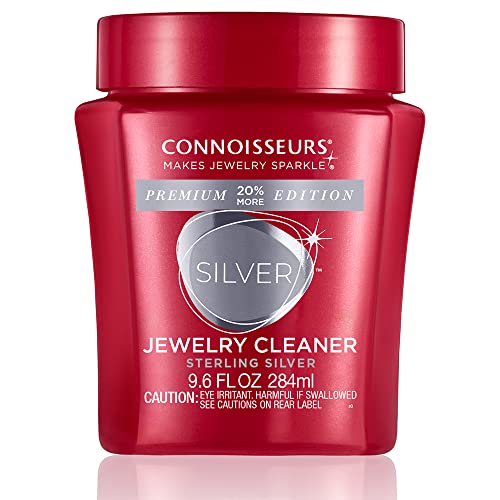
- Silver jewelry cleaning solution 8 oz
- Jewelry polishing cloth non-abrasive for gold silver necklace
- Ultrasonic jewelry cleaner stainless steel necklace 2.0L


Before You Start
Before cleaning, remove any loose clasps or dangling pendants and check for loose stones. Work in a well-lit, flat area to prevent loss of small pieces. Never soak pieces with glued-on stones or antique finishes in ultrasonic cleaners. If the necklace has a delicate chain or plating, test a small inconspicuous spot first. Plan for a cleaning session that takes about 10–20 minutes, plus drying time.
Step-By-Step: How To Clean A Metal Necklace
- Remove the necklace from any jewelry box or display and lay it on a soft cloth.
- Wipe with a dry, soft cloth to remove surface dust and oils.
- Dip a corner of the jewelry polishing cloth non-abrasive for gold silver necklace into a tiny amount of cleaner, or apply the cleaner directly to the cloth.
- Gently rub the chain in small, circular motions, paying attention to links and clasps.
- If tarnish remains on silver or plated pieces, apply silver jewelry cleaning solution 8 oz following the product directions, avoiding overly aggressive scrubbing.
- Rinse the necklace under lukewarm water if the cleaner requires rinsing; otherwise, wipe away residue with a damp cloth.
- Dry thoroughly with a clean, lint-free cloth to prevent water spots.
- For heavily tarnished or intricate pieces, consider an ultrasonic jewelry cleaner stainless steel necklace 2.0L on a gentle setting, ensuring the item is compatible with ultrasonic cleaning.
- Inspect the necklace for any missed spots, repeating the gentle cleaning as needed.
- Store in a dry, airtight container or jewelry box to slow tarnish between wear sessions.
- Repeat this routine as part of regular maintenance to preserve shine and reduce buildup.
- If signs of wear or damage appear, pause cleaning and consult a professional.
Troubleshooting
| Symptom | Likely Cause | Fix | Prevention |
|---|---|---|---|
| Uneven shine or dull patches | Residue left after cleaning | Re-clean with a fresh cloth and cleaner | Ensure complete rinsing and drying |
| White residue after cleaning | Hard water minerals or cleaner residue | Rinse thoroughly with distilled water | Dry completely; wipe with microfiber |
| Discoloration on plating | Over-cleaning or incompatible cleaners | Stop using harsh cleaners; switch to milder method | Test on hidden area first |
| Links or clasps tarnished | Exposure to air and moisture | Use mild cleaner; avoid soaking hardware | Store in dry environment |
Common Mistakes
- Over-soaking delicate or plated jewelry in cleaners
- Using abrasive cloths or brushes that scratch metal surfaces
- Mixing cleaners without checking compatibility with metals
- Rushing drying, leaving moisture that causes spots
Tips For Best Results
- Test cleaners on a small, hidden area before full cleaning.
- Use a dedicated polishing cloth only for jewelry to prevent cross-contamination.
- Keep cleaners away from kids and pets, and follow label instructions closely.
- For sentimental or heirloom pieces, consider professional cleaning to avoid damage.
Call A Professional
Seek professional help if the necklace has: loose links, broken clasps, visible damage to plating, stones that are loose or missing, or if a cleaning reveals deeper corrosion. Stop cleaning when you notice any cracking or structural issues. A qualified jeweler can assess and repair safely.
FAQ
Can I clean a metal necklace with soap and water?
Yes, mild dish soap and lukewarm water can work for routine cleaning, followed by thorough drying and gentle polishing.
Is ultrasonic cleaning safe for all metal necklaces?
Ultrasonic cleaners are effective but may not be suitable for delicate plating or stones. Check manufacturer guidance or consult a jeweler.
How often should I clean my metal necklace?
Clean products that transfer oils or tarnish at least every few weeks, and store properly to slow discoloration.
What’s the best way to store a metal necklace?
Keep it in a dry, padded box or on a jewelry tray to prevent tangling and moisture exposure.
Buying Guide
When choosing cleaning methods and tools for a metal necklace, consider size, material, and finish. Large or intricate pieces may benefit from an ultrasonic cleaner with adjustable settings, while simple chains respond well to a gentle wipe-down with polishing cloths. Pay attention to how tarnish forms on your pieces and select cleaners compatible with the metal type, such as silver, gold, or stainless steel. Noise level, energy use, and ease of use also matter for regular upkeep, especially for busy households.
Key buying factors include size and capacity, noise level, and energy efficiency. Look for compact ultrasonic units if space is tight, and ensure the cleaner has a safe mode for jewelry. For routine maintenance, a high-quality polishing cloth set and a gentle cleaning solution tailored for silver or gold-plated pieces can be sufficient. Consider a kit that includes both a cleaner and a soft cloth to minimize risk of scratching. Finally, verify compatibility with plated finishes to avoid damage and preserve appearance over time.
Leave a Reply