How to Clean Linen Tablecloth
Cleaning linen tablecloths can restore their crisp, elegant look without damaging delicate fibers. This guide outlines practical steps, safe products, and best practices tailored for American homes and common laundry setups.
Quick Answer
Gently remove loose debris, blot stains, and treat with a linen-safe spray. Use a delicate wash cycle or hand wash, then lay flat or line dry. For finish, a handheld fabric steamer helps refresh fibers without causing shrinkage.
What You’ll Need
- Fabric steamer handheld for linen tablecloths
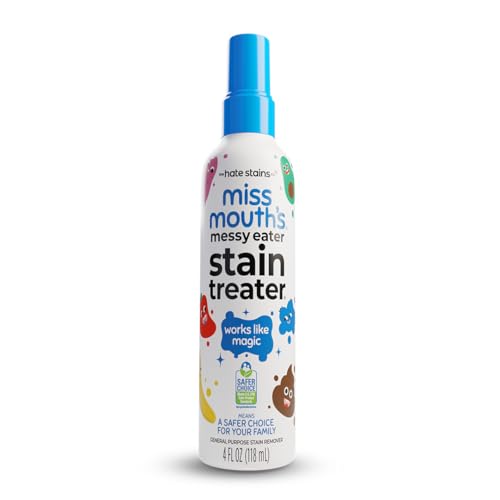
- linen-safe stain remover spray for tablecloths
- delicate wash bag for linen tablecloths laundry


Before You Start
Inspect for heavy staining and colorfastness. Test stain removers in an inconspicuous area. Check care labels for water temperature and drying guidance. Pre-treat only as directed to avoid fiber damage. Time estimates assume standard home laundry routines: 60–90 minutes total, from prep to finish. Important: avoid high heat, which can shrink or set stains on linen.
Step-By-Step: How To Clean Linen Tablecloth
- Remove loose crumbs and shake the fabric outdoors to prevent indoor mess.
- Blot fresh spills with a clean cloth or paper towel; do not rub to avoid deepening stains.
- Apply a linen-safe stain remover spray to visible spots; let it sit per label instructions.
- Place the tablecloth inside a delicate wash bag to protect edges during washing.
- Run a cold to warm wash cycle on a gentle setting with a mild detergent suitable for linen.
- Avoid overloading the machine; ensure ample water flow for thorough rinsing.
- Air-dry flat or on a hanger in a shaded area; avoid direct sun to prevent fiber weakening.
- Use a handheld fabric steamer to remove wrinkles and refresh fibers after drying.
- Iron linen while slightly damp using a warm setting for crisp results, if needed.
- Trim any frayed edges or loose threads after they’re fully dry.
- Store folded in a cool, dry place or hang to prevent creases from developing.
Troubleshooting
| Symptom | Likely Cause | Fix | Prevention |
|---|---|---|---|
| Persistent odor after washing | Laundering with other textiles | Wash separately in a gentle cycle | Pre-treat with linen-safe spray; avoid overloading washer |
| Stain reappears after drying | Stain not fully removed | Re-treat with stain remover and rewash | Address stain promptly; check fabric type label |
| Fabric wrinkles heavily | Air-drying without smoothing | Use a steamer or iron while damp | Dry flat or hang promptly after wash |
| Fading color | Direct sun exposure | Dry in shade; use protective storage | Wash with similar colors |
Common Mistakes
- Using hot water on linen, which can shrink fibers
- Overloading the washing machine, reducing rinse effectiveness
- Soaking stains too long, which may set some dyes
- Using heavy-duty detergents not suited for delicate linens
- Skipping a test patch before applying stain removers
Tips For Best Results
Treat stains as soon as possible for best outcomes. For delicate linens, hand washing or using a delicate cycle preserves texture. A handheld fabric steamer is excellent for quick touch-ups and wrinkle-free presentation at the table. After washing, store linens in breathable bags or cotton containers to prevent mildew.
Call A Professional
Consider professional cleaning if the linen tablecloth features antique embroidery, silk blends, or extensive staining that cannot be safely treated at home. Signs to seek pro help include color bleeding, persistent ring stains, or fabric distortion after multiple washes.
FAQ
Can I wash linen tablecloths in a standard household washer?
Yes, using a delicate cycle with cold to warm water and a mild detergent is typically suitable.
Is it safe to use stain remover on all linen fabrics?
Only use linen-safe sprays and test a hidden area first to avoid damage.
How should I dry a linen tablecloth?
Air-dry flat or hang in shade to minimize wrinkles and prevent shrinkage.
What if the tablecloth is heavily stained or faded?
Professional cleaning is recommended for severe staining or color loss.
Buying Guide
When choosing a linen tablecloth, consider size, weave, and finish. Linen bleached or natural linen affects stain visibility and care needs. Noise level and energy use aren’t typical concerns for washing, but choosing a gentle method and proper storage reduces maintenance. Here are key buying factors:
- Size and fit: Measure your table with an ample drop for a formal look or a shorter drop for casual settings.
- Weave and texture: A tighter weave resists wrinkles and stains, while a looser weave offers a softer drape.
- Care instructions: Prefer labels that specify cold water, delicate cycles, and air drying.
- Stain resistance: Pre-finished or pre-washed linen may respond differently to spills.
- Edge finish: Hemmed edges reduce fraying; consider napkin compatibility for matching sets.
- Placement and storage: Store clean linens in breathable containers away from sunlight.
To optimize care, pair the linen tablecloth with appropriate tools like a fabric steamer handheld for linen tablecloths and a delicate wash bag for linen tablecloths laundry. Would you rather refresh between uses or wash after every event? The answer depends on tablecloth material, staining risk, and household schedule.
Leave a Reply