How to Clean a Bite Guard: Safe, Effective Steps for Daily Care
A bite guard, whether used for teeth grinding or sports protection, requires regular cleaning to prevent odor, bacteria buildup, and material degradation. Proper care extends the life of the device and keeps it hygienic for daily use. This guide provides practical, user-friendly steps tailored for American households.
Following a routine cleaning routine helps maintain the bite guard’s fit and comfort. The methods below use common tools and products designed for oral appliances, with options that fit different budgets and preferences.
Quick Answer
Rinse the bite guard after each use, soak or spray with a dedicated cleaner, scrub gently with a soft brush, and air-dry completely before storing. For deeper cleaning, use specialized products like mouthguard cleaning tablets for night guard or an antibacterial mouth guard cleaner spray, and consider an ultrasonic cleaner for periodic maintenance.
What You’ll Need
- Soft-bristle toothbrush or denture brush
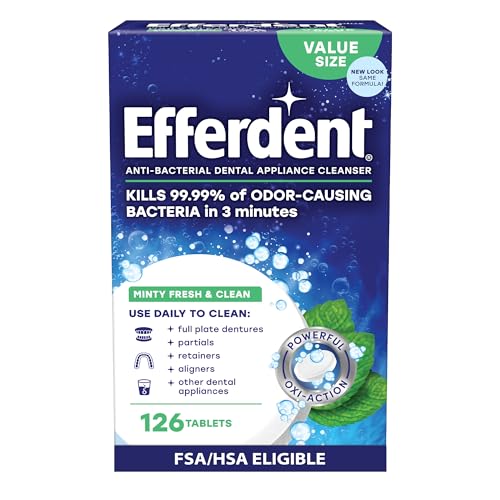
- Mouthguard cleaning tablets for night guard
- A antibacterial mouth guard cleaner spray
- Ultrasonic cleaner for mouthguard (optional for deeper cleaning)
- Clean container or cup for soaking
- Clean, dry storage case


Before You Start
Check the bite guard for any cracks or wear before cleaning. Do not use hot water, bleach, or harsh chemicals, which can degrade materials. If the device is used with braces or dental work, consult your dentist for compatible cleaners. Time estimates: a quick rinse takes 1–2 minutes; a full cleaning routine takes 5–10 minutes depending on method. Avoid abrasive scrubbers that can scratch the surface.
Step-By-Step: How To Clean A Bite Guard
- Rinse the bite guard under cold or lukewarm running water to remove saliva and loose debris.
- Gently brush the exterior and interior surfaces with a soft-bristle toothbrush to lift plaque and buildup.
- Prepare a cleaning solution using mouthguard cleaning tablets for night guard per package directions, or apply a small amount of antibacterial mouth guard cleaner spray.
- Soak the device for the recommended time, typically 5–10 minutes for tablets or as directed by the spray product.
- Lightly brush again after soaking to remove any remaining residue, paying attention to crevices and the between-teeth areas of the device.
- Rinse thoroughly with clean water to remove all cleaner residues.
- Shake off excess water and allow the bite guard to air-dry completely on a clean surface or drying rack.
- Store in a clean, ventilated case to prevent moisture buildup and odor.
- For periodic deep cleaning, use an ultrasonic cleaner for mouthguard following the manufacturer’s instructions, then rinse and dry.
- Inspect the bite guard before next use. If you notice cracks, warping, or persistent odor, discontinue use and consult a dentist.
Troubleshooting
| Symptom | Likely Cause | Fix | Prevention |
|---|---|---|---|
| Unpleasant odor persists after cleaning | Buildup in hard-to-reach areas | Soak with cleaning tablets and scrub with a toothbrush, repeat as needed | Rinse thoroughly after each use and daily wipe with cleaner spray |
| Material feels gritty | Residue from cleaners | Rinse repeatedly until fully clear | Follow recommended soaking times and avoid overuse of strong chemicals |
| Device discolors or warps | Exposure to heat or harsh cleaners | discontinue use of affected piece and replace if needed | Use lukewarm water and approved cleaners only |
| Loose fit after cleaning | Altered shape from heat or improper drying | Check fit and allow full air-dry before storage | Store in a breathable case away from heat |
Common Mistakes
- Using hot water or heat sources, which can warp the material
- Over-cleaning with harsh chemicals that degrade the mouthguard
- Rinsing with tap water that contains minerals or chlorine that affect taste
- Storing damply in a closed case, which promotes bacteria growth
- Skipping drying time, leading to mold or odor development
Tips For Best Results
- Clean the bite guard at least once daily, or more often if you use it nightly or during sports.
- Choose a routine that fits your schedule, combining quick rinses with weekly deep cleanings.
- Always dry completely before storing to prevent bacterial growth.
- Label and inspect your cleaning tools to avoid cross-contamination.
- If you wear braces or have sensitive gums, verify compatibility with your chosen cleaner.
Call A Professional
Seek a professional if you notice persistent odors, cracking, significant discoloration, or a change in fit that affects comfort or safety. If irritation or unusual mouth sensitivity occurs after cleaning, contact a dentist promptly. Do not continue use if the bite guard is damaged.
FAQ
How often should I replace a bite guard?
Most bite guards last 6–24 months depending on wear, material quality, and maintenance. Replace if there are cracks, warping, or persistent odor despite cleaning.
Can I use household cleaners to sanitize a bite guard?
Avoid household cleaners not designed for oral appliances. Use dedicated mouthguard cleaners or cleaning tablets specified for night guards.
Is an ultrasonic cleaner safe for all bite guards?
Ultrasonic cleaning is generally safe for many mouthguards, but check the manufacturer’s guidelines to avoid damage.
Should I rinse with water after using a cleaning tablet?
Yes, rinse thoroughly with clean water to remove any residue before wearing the bite guard again.
Can I air-dry the mouth guard outside the case?
Yes, air-drying on a clean surface is fine, then store in a breathable case once fully dry.
What if my bite guard has braces or dental work nearby?
Consult your dentist for compatible cleaners and cleaning methods tailored to your dental situation.
Buying Guide
Choosing the right cleaning approach for a bite guard depends on several factors that affect hygiene, longevity, and ease of use. Consider size, noise level, energy efficiency, controls, and placement as you compare options.
- <bSize and fit: Ensure the guard size matches your appliance. A snug fit helps cleaning reach all surfaces without damaging it.
- <bCleaning method: Decide between manual brushing with a soft brush, soaking with cleaning tablets, and optional ultrasonic cleaning for deeper maintenance. Each method has advantages for daily and periodic cleaning.
- <bCleaner type: Choose from antibacterial sprays or cleaning tablets that are designed for night guards, ensuring compatibility with your device’s material.
- <bEase of use: A simple, quick routine works best for daily use, while periodic deep cleaning may require more time and equipment like an ultrasonic cleaner.
- <bOdor and residue management: Look for products that minimize aftertaste and prevent residue buildup on the guard.
- <bPlacement and storage: A well-ventilated storage case prevents moisture buildup and odors between uses.
- <bDurability and warranty: Consider the material quality of the bite guard and the cleaning products’ endorsements or guarantees.
How often will you clean, and what level of cleanliness do you expect? If you prioritize speed, a spray cleaner and routine brushing may suffice. For deeper hygiene, pairing tablets with occasional ultrasonic cleaning can offer thorough results. If you have any dental concerns, consult a professional for personalized guidance.
Leave a Reply