How to Clean Grill Plates
Keeping grill plates clean not only improves flavor but extends the life of the grill. This guide outlines practical steps for American grills, using common cleaning tools and safe techniques to restore shine and ensure even heat.
Quick Answer
Scrape off loose debris, heat the grill to loosen residue, wash with warm soapy water or a stone cleaner, and finish with a dry wipe. For stubborn grime, repeat and consider finishing with a dedicated brush or scraper while the grill is cool to handle.
What You’ll Need
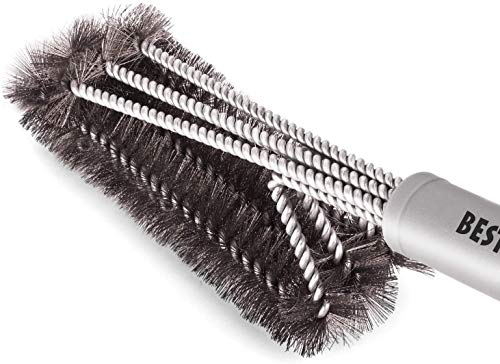
- stainless steel grill grate brush with scraper 18 inch
- cast iron grill plate cleaner scraper brush
- grill cleaning stone for BBQ grill grates and plates


Before You Start
Before cleaning, unplug or cool the grill completely to avoid burns. Remove grates and soak them if possible. Work in a well-ventilated area and wear protective gloves. A typical cleaning session takes about 15–30 minutes, depending on buildup. Do not use harsh chemical cleaners on cast iron plates without reseasoning afterward.
Step-By-Step: How To Clean Grill Plates
- Lift the grates and brush away loose debris with a 18 inch stainless steel grill grate brush with scraper to dislodge particles.
- Heat the grill to a low warm setting for a few minutes to soften residue, then turn off and carefully wipe with a damp cloth.
- For stubborn grime, use a grill cleaning stone for BBQ grill grates and plates to scrub without damaging the surface.
- Rinse grates with warm water and mild dish soap if permissible by grill type, then rinse again to remove soap residue.
- Dry thoroughly to prevent rust on metal parts; for cast iron plates, apply a light coat of oil to reseal the surface after cleaning.
- Reinsert grates and perform a quick burn-off cycle to remove any remaining cleaning agents and odors.
- Repeat the process on the other side of the grate if accessible, ensuring an even clean across all contact surfaces.
- For ceramic or porcelain-coated plates, avoid metal brushes that could scratch; switch to the grill cleaning stone or a softer brush.
- Inspect joints and screws for wear; tighten if necessary and ensure proper alignment before the next cook.
- Store tools and cleaned grates in a dry area to prevent rust and maintain readiness for the next barbecue.
Troubleshooting
| Symptom | Likely Cause | Fix | Prevention |
|---|---|---|---|
| Residue remains after cleaning | Heavy buildup or burnt-on fats | Repeat cleaning with a grill cleaning stone | Clean after each use to prevent hardening |
| Rust on grill plates | Exposure to moisture on cast iron | Lightly oil and reseason; dry thoroughly | Store in a dry area; wipe moisture away |
| Scratches on coated surfaces | Using metal brushes on nonmetal surfaces | Switch to soft brush or cleaning stone | Follow manufacturer guidance for tools |
| Uneven heating after cleaning | Misaligned or warped grates | Reposition or replace grates; check seals | Handle grates carefully to avoid warping |
Common Mistakes
- Using harsh chemicals on stainless steel or cast iron without proper rinsing
- Scrubbing porcelain-coated plates with stiff metal brushes
- Leaving grates soaking too long, which can corrode metal
- Neglecting to dry and reseason cast iron surfaces after cleaning
By avoiding these pitfalls, grill plates stay in better condition and perform more consistently across seasons.
Tips For Best Results
Always start with loose debris removal to minimize effort later. For cast iron, reseason after cleaning to maintain a protective coating. Regular, light cleanings prevent heavy buildup and extend component life. Use a dedicated grill stone for stubborn areas to avoid scratching coated surfaces. After cooking heavy marinades, wipe surfaces promptly to prevent baked-on residues.
Call A Professional
Contact a professional if you notice severe rust, warped plates that cannot be aligned, gas line issues near the cleaning area, or if the grill leaks fuel or shows signs of structural damage. Do not attempt internal repairs yourself if safety is compromised.
FAQ
Can I clean grill plates while they are still hot?
Wait until they cool to avoid burns, then clean with the appropriate tools.
What is the best tool for cast iron grill plates?
A cast iron grill plate cleaner scraper brush combined with a light oil rinse is effective.
Should I use soap on stainless steel grates?
Yes, warm water and mild dish soap work well; rinse thoroughly to prevent soap residue.
How often should I reseason cast iron grill plates?
After every thorough cleaning or whenever the surface looks dull, especially if oil bonding is reduced.
Is it safe to use a grill cleaning stone on porcelain-coated plates?
Yes, a grill cleaning stone is typically safe when used gently, avoiding abrasive pressure.
What about rust on stainless steel grates?
Rust on stainless steel is uncommon but can occur; remove rust with a nonabrasive pad and reseal with oil if needed.
Buying Guide
When choosing grill plates, consider size compatibility with your grill model, material durability, and ease of cleaning. Stainless steel grates are durable and easy to clean, while cast iron plates retain heat and deliver great sear with proper seasoning. Pay attention to heat distribution and whether your grill uses flat plates or grates. Noise, energy use, and control methods aren’t usually major factors for cleaning tools, but a long-handled brush reduces the need to lean over a hot grill. Placement considerations include storing tools in a dry, accessible area and keeping cleaning stones or brushes together for quick access during maintenance.
Leave a Reply