How to Clean a Ruby Ring Safely and Effectively
Ruby rings demand careful cleaning to preserve their brilliance and protect any surrounding gemstones or metal settings. This guide outlines practical, American-friendly methods that balance effectiveness with safety, so you can restore sparkle without risking damage.
Whether you wear a ruby solitaire, a halo, or a vintage design, routine cleaning helps prevent grime buildup, maintains luster, and extends the life of the setting. The steps below emphasize gentle, proven techniques suitable for most ruby rings and their typical metal settings.
Quick Answer
Gentle cleaning with warm water, mild soap, and a soft brush is usually enough for most ruby rings. For deeper cleaning, use a ruby-safe jewelry cleaner or a ultrasonic jewelry cleaner specifically labeled as gemstone-safe, but avoid ultrasonic cleaning if the setting or stones appear loose or damaged. Rinse thoroughly and dry with a soft cloth.
What You’ll Need
- Soft-bristle brush (like a toothbrush) or a dedicated jewelry cleaning brush
- Warm water
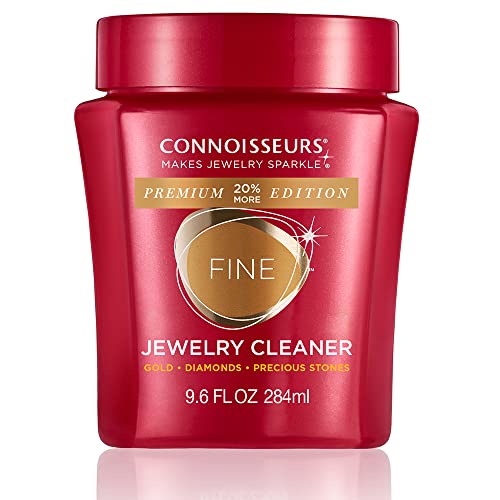
- Mild dish soap or a dedicated ring cleaning solution ruby safe jewelry cleaner 4 oz
- Soft, lint-free cloth for drying and buffing
- Optional: ultrasonic jewelry cleaner for rings gemstone safe for tougher grime, if the setting is secure
- Optional: jewelry cleaning kit for rings with soft brush and polishing cloth for ongoing care


Before You Start
Before cleaning, inspect the ring for loose prongs, visible cracks, or metal wear. If any issues are found, stop and consult a professional jeweler. Never use harsh chemicals, bleach, or acetone on ruby rings, as these can damage the ruby and metal settings. If the ring has an open back or if the ruby is an opaque or treatment-laden gemstone, exercise extra caution and prefer gentle methods. A typical cleaning session takes about 5–10 minutes.
Step-By-Step: How To Clean A Ruby Ring
- Prepare a small cleaning basin with warm water and a few drops of mild soap or the ring cleaning solution ruby safe jewelry cleaner 4 oz.
- Place the ring in the solution and let it soak for 10–15 minutes to loosen dirt and oils.
- Gently scrub the setting and under the band with a soft-bristle brush, paying attention to crevices around prongs and under the ruby.
- Rinse the ring under lukewarm running water to remove all soap residue. Be sure the drain is plugged or use a small strainer to catch the ring.
- Pat dry with a soft, lint-free cloth. Avoid rough towels that can scratch metal surfaces.
- Buff the band to a bright finish with a polishing cloth, if your kit includes one, or use a clean cloth for a gentle sparkle.
- If deeper cleaning is needed, consider an ultrasonic jewelry cleaner for rings gemstone safe only if the setting and ruby are confirmed to be secure and the user guides approve ultrasonic use.
- Reinspect the ring for any remaining grime, especially around the setting. Repeat the gentle cleaning only if necessary.
- Store the ring in a soft pouch or lined jewelry box to prevent scratches from other pieces.
- Record a regular cleaning routine, adjusting frequency based on wear and environment (daily wearers may clean weekly).
- For:multi-stone or intricate rings, consider using a jewelry cleaning kit for rings with soft brush and polishing cloth to maintain uniform care across pieces.
Troubleshooting
| Symptom | Likely Cause | Fix | Prevention |
|---|---|---|---|
| Ruby looks dull after cleaning | Soap residue or water spots | Rinse thoroughly and buff with a dry cloth | Rinse and dry completely; avoid leaving soap films |
| Prongs appear loose after cleaning | Weak setting or prior wear | Do not continue cleaning; visit a jeweler for assessment | Have prongs checked during routine inspections |
| Ruby appears scratched | Hard brushing or abrasive cleaners | Use gentler brush and approved cleaners only | Avoid harsh solvents and abrasive pads |
| Gate or setting darkens | Sterling silver tarnish or metal oxidation | Polish with a soft cloth; consider professional cleaning | Store away from moisture and chemicals |
Common Mistakes
- Using hot water or harsh chemicals that can damage ruby treatments and metal settings
- Letting the ring soak too long, especially if it has glued or fragile components
- Using hard brushes or rough cloths that scratch the ruby or metal
- Rinsing directly in a sink without containment, risking loss of the ring
Sticking to soft tools and gem-safe solutions helps maintain color, clarity, and metal integrity over time.
Tips For Best Results
- Clean ruby rings in a quiet, well-lit area so you can spot any movement or prong issues early
- For rings with oilier skin contact, consider extra gentle daily wiping with a microfiber cloth
- Use a dedicated routine: a quick weekly wipe, monthly deeper clean, and quarterly professional inspection
- Keep cleaning solutions away from heat sources and children; follow product instructions for any cleaners
- Match cleaning methods to the ring’s metal type (gold, platinum, etc.) to avoid tarnish or discoloration
Call A Professional
Stop cleaning and contact a professional jeweler if you notice:
- Loose ruby or suspect prongs
- Chips, cracks, or visible damage to the ruby or metal
- Visible adhesive residues or unusual discoloration around the setting
- Persistent cloudiness after cleaning or repeated failed attempts
A professional inspection can prevent loss and preserve value while restoring the ring’s original brilliance.
FAQ
Can I clean my ruby ring in an ultrasonic cleaner?
Only if the ring’s setting and ruby are confirmed to be safe for ultrasonic cleaning by the manufacturer or a jeweler.
Is dish soap safe for ruby rings?
Yes, a mild dish soap with warm water is commonly used for routine cleaning of ruby rings.
How often should a ruby ring be cleaned?
Cleanings every 1–2 weeks for daily wear; deeper cleans monthly or as needed based on buildup.
What should I do if the ruby looks dull after cleaning?
Rinse thoroughly, dry, and buff with a soft cloth; if dullness persists, seek professional appraisal.
Should I use a jewelry cleaning kit for rings with a ruby?
Yes, a kit with a soft brush and polishing cloth can help maintain the ring’s finish between professional cleanings.
What safety steps are essential before cleaning?
Check for loose stones and worn prongs first; avoid harsh chemicals and ensure the work area is secure and well-lit.
Buying Guide
Choosing a ruby ring cleaning regimen and related tools hinges on several factors. Size matters for practicality: larger rings may require more careful handling, while lighter rings tolerate routine care easier. Noise, energy use, and device settings are less critical for cleaning itself, but if you opt for an ultrasonic cleaner, consider equipment designed for gemstones and delicate settings with labeled “gemstone-safe.”
Key buying factors to consider include size, noise level, energy efficiency, controls, and placement. For example, a compact, low-noise ultrasonic cleaner with adjustable power is ideal for safe at-home use. When selecting a cleaning kit or solution, prioritize ruby-safe formulations and soft brushes that won’t abrade metal or stone surfaces. Place cleaning gear in a dry, ventilated space away from children and pets, and store tools in a dedicated jewelry box to prevent cross-contamination of cleaners.
If a buyer wants to compare options, consider these perspectives:
- Effectiveness vs. gentleness: balance deep cleaning capability with the risk of damage to delicate settings
- Safety certifications: look for products labeled gemstone-safe or ruby-safe
- Compatibility: ensure tools and solutions work with your ring’s metal and any treatments on the ruby
- Maintenance cadence: how often you plan to clean and whether you’ll perform routine maintenance or professional checkups
With the right approach and the appropriate tools—such as a ring cleaning solution ruby safe jewelry cleaner 4 oz and a jewelry cleaning kit for rings with soft brush and polishing cloth—ruby rings can stay radiant for years. Follow the steps, heed safety cautions, and consult a professional when in doubt to keep your cherished piece shining brilliantly.
Leave a Reply