How to Clean a Garbage Disposal Without Vinegar
Keeping a garbage disposal clean helps prevent odors, keep blades sharp, and extend the unit’s life. This guide focuses on effective, vinegar-free methods using commonly available products and simple steps.
Readers will find a practical, safe approach that works for most kitchen setups in American homes, with product suggestions that support regular maintenance and easy troubleshooting.
Quick Answer
For a vinegar-free clean, run cold water and sugar soap or enzyme-based cleaner tablets through the disposal, scrub the chamber with a long cleaning brush, and follow with a maintenance routine. Avoid pouring bleach or harsh chemicals directly into the unit; use products designed for disposals and septic systems.
What You’ll Need
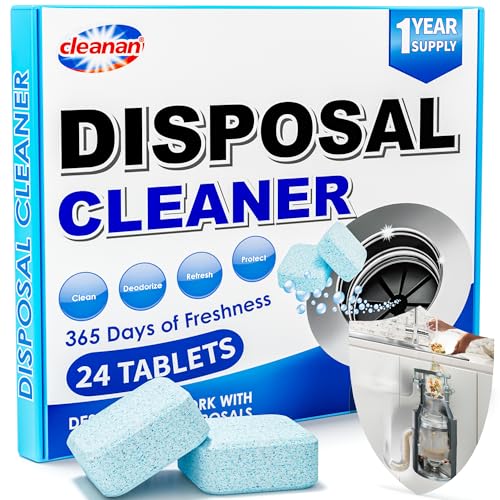
- Enzymatic garbage disposal cleaner tablets septic safe
- Garbage disposal cleaning brush long flexible
- Garbage disposal maintenance kit


Before You Start
Turn off power to the disposal from the switch or circuit breaker before starting any work. Place a bucket or towel under the sink to catch any drips. Use cold water during cleaning to help solid waste stay firm and reduce splashing. Do not use bleach or caustic cleaners, as they can damage seals and pipes and may harm septic systems.
Estimate about 20–40 minutes for a thorough clean, plus a quick daily rinse routine after meals. If the disposal is unusually loud, leaks appear, or there is a persistent bad odor after cleaning, consider seeking professional help.
Step-By-Step: How To Clean Garbage Disposal Without Vinegar
- Safely disable the unit, then plug the sink drain to prevent splashes during cleaning.
- Remove any visible debris from the grinding chamber by hand using gloves and a flashlight.
- Fill the disposal with water and drop in two to three enzymatic cleaner tablets designed for septic-safe use.
- Run cold water and turn on the disposal to begin the cleaning cycle; let it run for 30–60 seconds to circulate the cleaner.
- Use the long flexible garbage disposal cleaning brush to reach the opening and scrub the inner walls gently while the unit is running.
- Turn off the disposal and rinse with cold water for 15–20 seconds to flush the cleaner away.
- Optionally, grind a few ice cubes with a handful of rock salt or citrus peels for physical scrubbing and fresh scent, then rinse thoroughly.
- Unplug or restore power, then run cold water through for another 15 seconds to clear any residual debris.
- Inspect for unusual noises or leaks. If odors persist, repeat the enzymatic cleaning step, then perform a maintenance flush weekly or monthly as needed.
- Regular habits: rinse with water after use, avoid fibrous foods, and run the disposal with cold water for 20 seconds after each use.
- Store the maintenance kit in a convenient location for monthly or quarterly upkeep and inspections.
Troubleshooting
| Symptom | Likely Cause | Fix | Prevention |
|---|---|---|---|
| Bad odor after cleaning | Residual gunk in bends | Run enzymatic cleaner again, scrub with brush, rinse thoroughly | Clean monthly; avoid dumping fatty foods |
| Disposal not turning on | Electrical switch or reset issue | Check breaker, reset GFCI if applicable | Keep area dry; ensure proper wiring by a pro if needed |
| Loose grinding or vibration | Loose mounting or foreign objects | Turn off power, inspect, tighten mounting, remove debris | Avoid hard objects; use mesh screen on drain |
| Leaking under sink | Seal or hose connection wear | Tighten clamps; replace worn seals or hoses | Regularly inspect hoses and seals during maintenance |
Common Mistakes
- Using bleach or strong caustics in a garbage disposal
- Pouring hot water while cleaning, which can loosen grease later
- Overfilling with water or cleaners, causing splashes and mess
- Ignoring seals and hoses during maintenance
Tips For Best Results
- Establish a monthly maintenance routine using enzymatic cleaners for septic safety.
- Keep a dedicated cleaning brush designed for hard-to-reach areas inside the disposal.
- Run the disposal with cold water only to maximize grinding efficiency and reduce odors.
- Avoid grinding fibrous foods such as celery, corn husks, and banana peels; flush fibrous thins with water instead.
- Combine short, regular cleanings with an occasional maintenance kit check to extend lifespan.
Call A Professional
Seek professional help if there are signs of persistent leaks, unusual noises that don’t improve after cleaning, or a complete failure to reset after troubleshooting. Stop using the disposal and contact a licensed plumber or appliance technician when structural damage or electrical issues are suspected.
FAQ
Is vinegar required to clean a garbage disposal?
No. This guide shows effective vinegar-free methods using enzymatic cleaners and brushing techniques.
Can I use lemon peels to freshen the disposal?
Yes, but avoid overuse. Rinse with cold water after processing to prevent clogs from debris and oils.
How often should I clean my garbage disposal?
Most households benefit from a monthly cleaning routine, plus a maintenance flush every few months.
What should I do if the disposal smells even after cleaning?
Consider running an additional enzymatic cleaner cycle and inspect for trapped debris in the P-trap or overflow path.
Are enzymatic cleaners septic-friendly?
Yes, enzymatic cleaners labeled septic safe are designed to support septic systems and are safe for disposals when used as directed.
Buying Guide
Choosing the right accessories and maintenance tools can simplify cleaning and upkeep. Consider size, compatibility with your model, and whether you prefer an enzyme-based cleaner, a dedicated cleaning brush, or a complete maintenance kit. Look for products that are labeled septic safe and designed for garbage disposals. A well-chosen combination supports odor control, easier maintenance, and longer appliance life. Would you benefit from a kit that bundles a brush, tablets, and targeted odor solutions? A smart purchase aligns with your cleaning cadence and kitchen habits.
Leave a Reply