How to Clean a Wood Table That Is Sticky
Sticky residues on a wood table can dull its appearance and attract dirt. With the right approach and gentle products, you can lift stickiness without stripping the finish. This guide uses a pH-neutral cleaner, soft cloths, and a mineral-oil-based polish to restore smoothness and luster.
The method emphasizes preserving the wood’s finish while removing grime, so select products designed for wood and follow careful application steps. Below are practical, repeatable steps for common household surfaces.
Quick Answer
Use a pH-neutral wood furniture cleaner spray for sticky residue to loosen the stickiness, wipe with lint-free microfiber cloths for wood surfaces to avoid fibers sticking to the finish, then apply wood table polish and conditioner with mineral oil to restore shine and seal the surface. Repeat as needed for persistent spots.
What You’ll Need
- pH-neutral wood furniture cleaner spray for sticky residue
- Lint-free microfiber cloths for wood surfaces 12×16
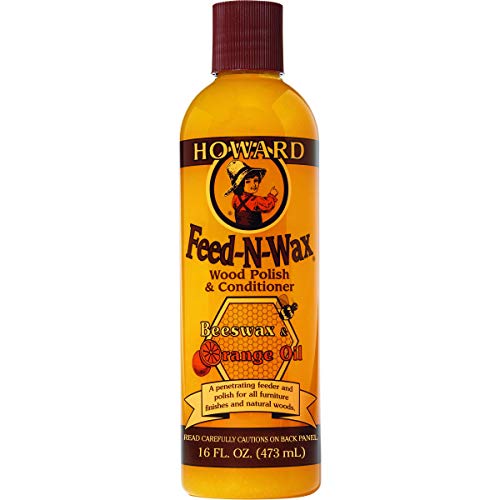
- Wood table polish and conditioner with mineral oil for restoring shine
- Optional: distilled water, soft-bristle brush
- Optional: latex gloves


Before You Start
Safety matters: work in a well-ventilated area and test products on a hidden spot to ensure colorfastness. Clear the table surface and remove items that could be damaged by cleaners. Time estimates vary: plan for 15–30 minutes for setup and cleaning, plus additional time for conditioning if needed. Avoid using ammonia-based cleaners, solvent sprays, or abrasive pads that can scratch or dull the finish.
Step-By-Step: How To Clean A Sticky Wood Table
- Dust the surface with a dry microfiber cloth to remove loose particles and prevent scratching during cleaning.
- Lightly mist the table with the pH-neutral wood furniture cleaner spray for sticky residue, focusing on sticky areas. Do not soak the wood.
- Let the cleaner sit for 30–60 seconds to loosen tacky residues, then wipe in the direction of the grain with a lint-free microfiber cloth.
- For stubborn spots, apply a second light mist and use a soft-bristle brush to gently work the residue in a circular motion along the grain, then wipe clean.
- Dry the area with a fresh microfiber cloth to remove any remaining moisture and residue.
- Optionally, apply a thin layer of wood table polish and conditioner with mineral oil using a clean cloth, following the grain direction.
- Allow the conditioner to absorb for 5–10 minutes, then buff with a dry microfiber cloth until the surface shines evenly.
- Care tips: avoid over-wetting, keep heat away from the surface, and reapply conditioner periodically to maintain luster and protection.
Troubleshooting
| Symptom | Likely Cause | Fix | Prevention |
|---|---|---|---|
| Residue returns after a day | Residual oils or cleaners not fully removed | Re-clean with a light mist and microfiber cloth; rinse with minimal moisture | Use small amounts of cleaner and wipe thoroughly |
| Finish looks cloudy after cleaning | Over-wetting or wrong product for finish | Dry promptly; switch to pH-neutral formula | Test in a hidden spot first |
| Scratch marks appear | Rubbing with abrasive material | Switch to a softer cloth and avoid circular scrubbing | Use clean, lint-free cloths only |
| Water spots form | Moisture trapped on surface | Dry immediately and apply conditioner | Wipe spills promptly |
Common Mistakes
- Using harsh solvents that strip finishes
- Over-wetting the wood during cleaning
- Scrubbing with abrasive pads that cause micro-scratches
- Skipping a final buff after conditioning, leaving a dull film
- Not testing cleaners on a hidden area before full application
Tips For Best Results
- Work in the grain’s direction for a uniform look and fewer scratches.
- Use lint-free microfiber cloths for wood surfaces exclusively to avoid lint transfer.
- Apply wood table polish and conditioner with mineral oil in a thin, even layer; too much product can attract dust.
- Regular maintenance prevents stickiness from building up; a monthly light clean and conditioning helps preserve the finish.
- Store cleaners out of reach of children and pets, and never leave standing cleaner on bare wood.
Call A Professional
Consider a professional if the table shows deep finish damage, persistent staining after multiple cleanings, or if the wood has lifted or swollen. Seek help if you notice extensive discoloration, warping, or if the surface feels tacky even after thorough cleaning and conditioning.
FAQ
Is a pH-neutral cleaner safe for all wood finishes?
Yes, pH-neutral cleaners are gentler on most finishes and help preserve color and sheen when used as directed.
Can I use water to clean a sticky wood table?
Small amounts of water can be used with care, but avoid soaking the wood. Dry promptly after cleaning.
How often should I condition a wood table?
Condition every 3–6 months, or when the finish looks dull or dry.
What if the finish still feels sticky after cleaning?
Re-clean with a minimal amount of cleaner, then reapply a thin layer of conditioner and buff well. If stickiness persists, consult a professional.
Buying Guide
Choosing the right products helps maintain wood tables over time. Consider size, finish type, and how each product interacts with your table’s sealant. Below are factors to compare and decide.
Key Buying Factors
- <bSize and coverage: Ensure the cleaner and conditioner are suitable for the table’s surface area and edge cases (loads, corners, and drawers).
- Noise level (when using spray or polish tools): Look for quiet spray mechanisms and non-scratch cloths.
- Energy efficiency not typically applicable to cleaners, but consider compact packaging or refill options to reduce waste.
- Controls and usability: Choose spray bottles with a fine mist and cloths that are easy to handle with one hand.
- <bPlacement: Store cleaners away from direct sunlight to prevent breakdown of oils and finishes; use a clean, dry surface area for application.
With the right combination of a gentle cleaner, lint-free cloths, and a mineral oil-based conditioner, sticky residues on wood tables can be removed without harming the finish. Regular care keeps the surface smooth and gleaming, ready for daily use and display. If new issues arise, reassess the products used and consider professional assistance for best results.
Leave a Reply