How to Clean Front Load Washer Detergent Dispenser Efficiently
Maintaining a clean detergent dispenser is essential for a front load washer’s performance and odor prevention. This guide walks through a practical, step-by-step approach using common cleaning tools designed for the task. Readers will learn how to remove buildup, sanitize the drawer, and maintain a fresh dispenser for months to come.
Quick Answer
To clean a front load washer detergent dispenser efficiently, remove the drawer, rinse with warm water, scrub with a dedicated cleaning brush, use a scraper for stubborn residue, and run a hot wash cycle with a cleaning solution or plain vinegar. Dry the drawer before reassembly and perform periodic maintenance every few months.
What You’ll Need
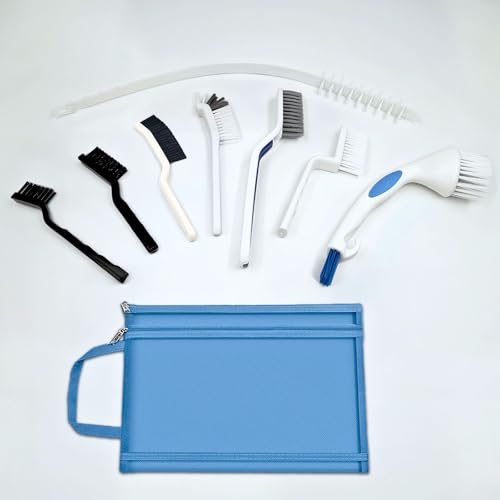
- front load washer detergent dispenser cleaning brush with long handle
- washing machine detergent drawer cleaning brush set
- scraper and scraper brush tool for washer detergent dispenser cleaning

Before You Start
Ensure the washing machine is unplugged or the cycle has ended and the door is unlocked. Remove the detergent drawer fully and place it on a towel or nearby surface to catch any residual water. Hot water helps lift oily residues, but avoid boiling temperatures on plastic components. Protect hands with gloves as some brushes can be stiff or rough. Plan about 20–40 minutes for the entire process, depending on residue buildup.
Step-By-Step: How To Clean Front Load Washer Detergent Dispenser
- Open the washing machine door and locate the detergent dispenser drawer. Remove the drawer by pulling it straight out.
- Disassemble the drawer components if possible (tray, cup, and housing). Note how parts fit together for reassembly.
- Rinse each part under warm running water. Use front load washer detergent dispenser cleaning brush with long handle to reach deep corners and channels.
- Use the washing machine detergent drawer cleaning brush set to scrub away soap scum, mildew, and mineral buildup. Focus on the small crevices where detergent sits.
- For stubborn residue, employ the scraper and scraper brush tool for washer detergent dispenser cleaning to lift and remove stuck deposits without scratching plastic.
- Clean the exterior of the dispenser housing with a damp cloth. If the housing has a removable cap, rinse it and scrub the gasket area to remove mold-friendly residue.
- Dry all parts thoroughly with a clean towel before reassembling. Reinsert the drawer into the dispenser slot, ensuring it slides smoothly.
- Run a hot wash cycle with an empty load using a cup of white vinegar or a manufacturer-approved cleaner. This flushes remaining residues and sanitizes the plumbing.
- After the cycle completes, wipe down the dispenser area and leave the drawer slightly ajar for a few hours to air-dry completely.
- Schedule routine maintenance every 2–4 months, or sooner if you notice odors or visible buildup. Regular cleaning keeps detergents from depositing in the drum.
- For high-efficiency washers, use only the recommended amount of detergent. Excess soap can contribute to buildup in the dispenser and hoses.
Troubleshooting
| Symptom | Likely Cause | Fix | Prevention |
|---|---|---|---|
| Dispenser drawer sticks | Residue buildup inside the housing | Disassemble and scrub thoroughly; lubricate lightly if manufacturer allows | Clean monthly or after every few cycles if heavily used |
| Odor from dispenser | Mildew or trapped moisture | Deep clean with vinegar rinse; dry completely | Leave drawer slightly open between uses |
| Detergent not dispensing evenly | Clogged channels or misaligned drawer | Inspect and clear channels; re-seat drawer | Use the correct detergent type and avoid clumping |
| Residue on clothes after wash | Excess detergent or mold in dispenser | Limit detergent amount; clean dispenser thoroughly | Regular maintenance and use of recommended detergent |
Common Mistakes
- Using aggressive abrasives that scratch the dispenser housing
- Forgetting to dry parts after cleaning, leading to mildew
- Overfilling the detergent drawer, which increases residue
- Skimping on cleaning time, leaving hidden buildup behind
Tips For Best Results
- Perform an initial full clean after installing a new washer to establish a baseline cleanliness.
- Use warm water when rinsing components to dissolve oils more effectively than cold water.
- Keep a small brush or scraper handy for quick mid-cycle maintenance if you detect buildup early.
- Check the user manual for any model-specific guidelines or restrictions on cleaning agents.
Call A Professional
Consider a professional if you notice persistent mold growth, cracked drawer components, or if your dispenser housing shows signs of warping. Stop using the washer if there is a strong chemical odor, a leaking seal, or the appliance fails to drain properly after cleaning. A service technician can diagnose plumbing or electrical issues beyond routine dispenser maintenance.
FAQ
Q: Can I use bleach to clean the detergent dispenser?
A: Bleach can be harsh on some plastics and seals. Check the manufacturer’s guidelines; if allowed, dilute properly and rinse thoroughly after cleaning.
Q: How often should I clean the detergent dispenser?
A: Every 2–4 months is a good baseline, or more often if you notice residue or odors.
Q: Do I need to remove the drawer for cleaning?
A: Yes. Removing the drawer lets you access hidden channels and thoroughly scrub all surfaces.
Q: Will hot water damage the dispenser?
A: Hot water generally helps break down buildup, but avoid boiling temperatures on plastic parts. Use warm to hot as recommended by the manual.
Q: Are special tools required?
A: Basic brushes included in the kit are typically sufficient; specialized scraper tools can help with stubborn deposits.
Q: Can I clean while the washer is in use?
A: No. Cleaning should be done with the machine off and unplugged to prevent water flow and electrical hazards.
Buying Guide
When choosing tools and accessories for cleaning a front load washer detergent dispenser, consider factors such as compatibility with your model and the extent of buildup. A long-handle brush makes it easier to access deep slots; a dedicated cleaning brush set covers multiple surfaces and crevices. A scraper tool helps with stubborn gunk without damaging plastic. Look for materials that resist mold and mildew and are easy to rinse. For best results, pair the tools with a gentle cleaning solution or vinegar rinse and follow the manufacturer’s maintenance guidance. Regular care reduces residue, improving detergent efficiency and machine longevity.
Leave a Reply