How to Clean Concrete With Bleach: A Practical Guide
Cleaning concrete surfaces with bleach is a common approach for removing mold, mildew, and stubborn stains. This guide outlines a clear, safety‑minded method that works with everyday household products and professional tools. It covers preparation, methods, and troubleshooting to help American homeowners restore concrete surfaces efficiently.
Quick Answer
For most outdoor concrete areas, mix a bleach solution with water and apply with a spray bottle or use a pressure washer with a bleach‑safe detergent. Scrub with a heavy‑duty concrete brush, rinse thoroughly, and repeat if needed. Always follow label directions and use eye protection and gloves.
What You’ll Need
- Sodium hypochlorite concrete cleaner 5% bleach spray bottle
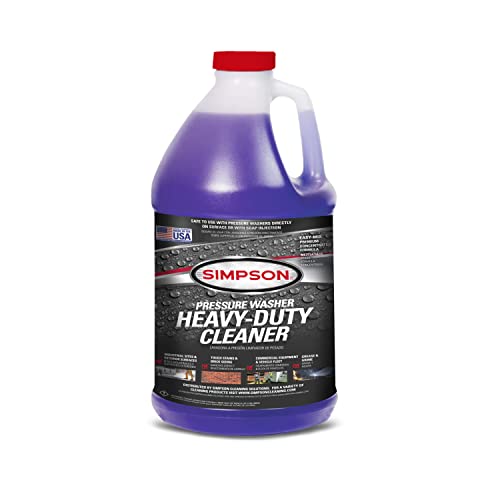
- Pressure washer concrete cleaning kit with bleach‑safe detergent
- Heavy‑duty concrete scrub brush with long handle
- Protective gloves
- Safety goggles or face shield
- Garden hose or clean water source for rinsing
- Stiff broom or squeegee for water management


Before You Start
Assess the concrete surface for cracks or deterioration before applying bleach. Bleach can discolor or weaken older, damaged concrete, so plan repairs if needed. Work on a dry, shade‑covered area to prevent rapid drying and ensure even cleaning. Allow for time to ventilate and for the area to dry after washing. Never mix bleach with ammonia or acids, as it releases hazardous gases. Wear protective gear and keep children and pets away from the work zone.
Step-By-Step: How To Clean Concrete With Bleach
- Clear the area of furniture, planters, and debris to expose all concrete surfaces.
- Prepare a bleach solution in a spray bottle or diluted form in a container, following label guidance for the appropriate concentration.
- Apply the solution to stained or moldy areas, saturating the surface but avoiding pooling on porous edges.
- Let the solution sit for 5–15 minutes (not allowing it to dry completely) to break down organic stains.
- For heavy staining, switch to a heavy‑duty concrete scrub brush with long handle and scrub in circular motions to disrupt mold and mineral deposits.
- Rinse thoroughly with a garden hose or pressure washer set to a safe level for concrete. Start from the top and work downward to avoid splashing contaminated water.
- If using a pressure washer with a bleach‑safe detergent, follow the kit’s instructions and rinse again to remove any detergent residue.
- Inspect the cleaned area. Repeat the process on stubborn spots, focusing on corners and texture trenches where growth tends to persist.
- Allow the surface to dry completely. If any staining remains, consider a second pass or alternative stain‑specific cleaners designed for concrete.
- Dispose of wash water away from gardens or planted beds to minimize chemical exposure to soil.
- Store any remaining cleaning products safely according to label directions and out of reach of children.
- Plan routine maintenance to prevent future mold growth, such as sealing porous surfaces after cleaning and improving drainage around the area.
Troubleshooting
| Symptom | Likely Cause | Fix | Prevention |
|---|---|---|---|
| Streaks after rinse | Uneven application or drying patterns | Reapply evenly and keep surface damp during contact time | Maintain consistent spray pattern and avoid hot sun |
| Mold returns quickly | Residual spores in porous concrete | Repeat cleaning and consider sealing the surface | Seal after cleaning and improve airflow |
| Bleach smell lingered | Overuse of bleach or poor ventilation | Rinse thoroughly and ventilate area | Work in cooler part of day and wear respirator if needed |
| Discoloration of concrete | Bleach reacting with pigments or finishes | Test in a small area first; avoid high concentrations | Use milder cleaners on pigment‑rich surfaces |
Common Mistakes
- Using undiluted bleach on large areas, which can damage concrete and surrounding materials
- Applying bleach in direct sunlight, causing rapid drying and uneven cleaning
- Ignoring safety gear, leading to skin or eye irritation
- Rinsing insufficiently, leaving chemical residues behind
- Not testing a small area before full application
Tips For Best Results
- Choose a calm day with low wind to avoid chemical drift when spraying bleach.
- Always start cleaning from the highest point and work downward for efficient runoff management.
- Use a dedicated brush for concrete to prevent cross‑contamination with other cleaning tasks.
- Consider a follow‑up sealant after the surface is completely dry to deter future mold growth.
- Label and store all cleaning products securely out of reach of children and pets.
Call A Professional
Proceed with professional help if the concrete shows severe structural damage, deep efflorescence, or if extensive mold growth covers large areas. Stop cleaning and contact a pro if you notice persistent cracking, crumbling edges, or if the material has been painted with unknown coatings. If you are unsure about the correct bleach concentration or how to safely use a pressure washer near adjacent surfaces, seek expert assistance.
FAQ
Is it safe to clean concrete with household bleach?
Yes, when used as directed, in a well‑ventilated area, and with proper protective gear.
Can I use a spray bottle for the bleach solution?
Yes, a spray bottle helps apply the solution precisely but ensure even coverage and avoid oversaturation.
Should I pressure wash after applying bleach?
Rinsing with a pressure washer is effective, but use a setting that won’t damage the concrete or nearby surfaces.
How long should bleach sit on the surface?
Typically 5–15 minutes, avoiding complete drying before rinsing for best results.
Can bleach discolor colored concrete?
Yes, prolonged exposure can affect pigments; test in a small area first.
What about mold on interior concrete?
Bleach can be effective, but interior mold may require additional moisture control and humidity management.
Is sealing helpful after cleaning?
Sealing helps reduce future staining and mold growth on porous concrete.
Buying Guide
When choosing products for cleaning concrete with bleach, consider size, compatibility, and safety features. For household projects, a standard bottle of sodium hypochlorite concrete cleaner is often sufficient, but larger outdoor jobs may benefit from a pressure washer kit with a bleach‑safe detergent. A heavy‑duty concrete scrub brush with a long handle improves reach and leverage for stubborn stains. Look for a kit that includes clear instructions and compatible cleaning agents. Evaluate the surface area to determine appropriate quantities and storage considerations. Remember to follow all label directions and local regulations for chemical use. Do you need a compact setup for small patios or a robust system for large driveways? Consider your typical cleaning tasks and space to guide your selection.
Leave a Reply