How to Clean a Dishwasher Efficiently for a Fresh, Spot-Free Interior
Maintaining a clean dishwasher helps prevent odors, improves cleaning performance, and extends the appliance’s life. This practical guide walks American households through a thorough, step-by-step cleaning routine using common tools and effective cleaning products. Readers will learn how to tackle mineral buildup, greasy residue, and filters, leaving the tub sparkling and ready for routine use.
Quick Answer
Overview: Run a hot cycle with a dishwasher-safe cleaning agent to break down grease and mineral deposits. Periodically clean filters, spray arms, and the tub for best results. Use specialized cleaning products when heavy buildup is present.
What You’ll Need
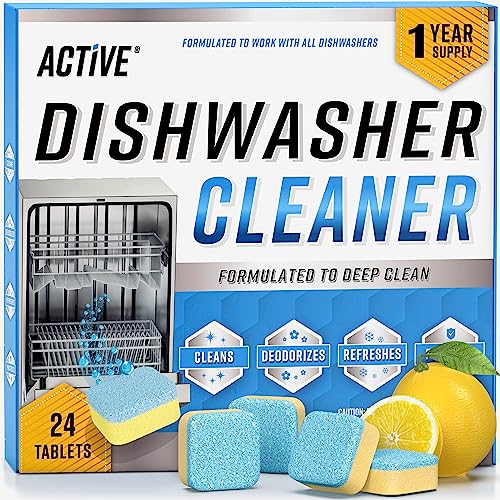
- Dishwasher cleaning kit descaler tablets
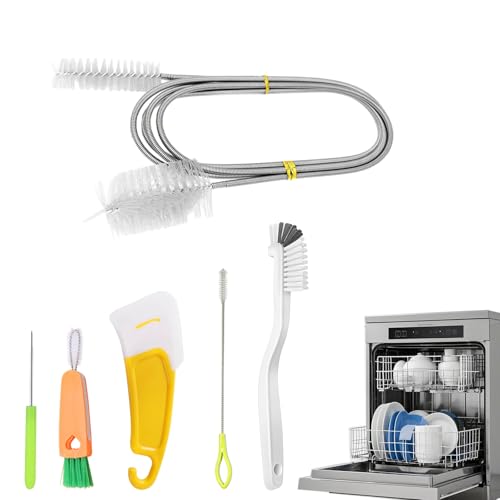
- Dishwasher filter cleaning brush kit
- Dishwasher tub cleaning brush nylon bristles
- Lint-free cloth or microfiber towel
- Soft-bristle bottle brush
- Ventilated gloves for hand protection

Before You Start
Ensure the dishwasher is cool to the touch before beginning any cleaning. Remove racks to access the interior and inspect for obvious debris. Avoid mixing acidic cleaners with bleach to prevent harmful fumes and damage. Time estimates vary by task, but plan for about 60–90 minutes for a comprehensive cleaning. If the appliance is under warranty, check the manual for cleaning guidance to avoid voiding coverage.
Step-By-Step: How To Clean A Dishwasher Efficiently
- Empty the dishwasher completely and remove racks to access the tub walls and spray arms.
- Inspect and remove any large debris from the sump and filter area. Use a flashlight to spot hidden buildup.
- Consult the filter and spray-arm areas; use the dishwasher filter cleaning brush kit to scrub the mesh filters gently until grime loosens.
- Wipe the door seal with a damp cloth to remove moldy buildup and rinse away any soap scum.
- Place a dishwasher-safe cleaning tablet or descaler tablet in the detergent dispenser according to the product instructions.
- Run a hot-water cycle with no dishes to dissolve deposits and flush the system. If mineral buildup is heavy, run a second cycle with the cleaning tablet.
- While the first cycle runs, use the tub cleaning brush nylon bristles to scrub interior walls, corners, and the tub floor where buildup is visible.
- Remove the spray arms and rinse them under running water, using a small brush if clogged. Reattach once clean.
- Wipe the interior dry with a microfiber cloth after the cycle completes, paying attention to the corners and door gasket.
- Run a final rinse with clean water to ensure any remaining residues are expelled and the tub is spotless.
- Reinstall racks and run a quick test cycle with dishes to confirm proper cleaning performance.
- Keep a routine: consider a light monthly clean and a deep-clean every 3–6 months depending on usage and water hardness.
Troubleshooting
| Symptom | Likely Cause | Fix | Prevention |
|---|---|---|---|
| Dishes come out soaked or dirty | Clogged spray arms or filters | Clean spray arms and filters with the tub cleaning brush nylon bristles and filter brush kit | Regular monthly cleaning; check water temperature |
| Bad odor inside dishwasher | Mold in door seals or sump | Wipe seals, run a hot cycle with descaler tablets | Leave door slightly ajar after cycles to air out |
| Water not draining | Clogged filter or drain hose | Clean filter thoroughly; inspect drain hose | Regularly remove debris from filters |
| Mineral spots on glassware | Hard water deposits | Use descaler tablets as directed; consider water softener solution | Run hot cycles periodically with descaler |
| Unusual noises during wash | Blocked spray arm or foreign objects | Inspect and clean spray arms; remove foreign items | Rinse dishes before loading; avoid packing too tightly |
Common Mistakes
- Using the wrong cleaner or mixing products, which can create fumes or damage plastics.
- Forgetting to clean the filters, leading to poor drainage and odors.
- Overloading the dishwasher, blocking spray arms and reducing cleaning effectiveness.
- Neglecting the door seal and gasket, which are common odor sources.
By avoiding these missteps and following the steps above, most dishwasher cleaning tasks become straightforward and effective.
Tips For Best Results
- Schedule a monthly wipe-down of seals and the tub interior to prevent buildup.
- Use the appropriate cleaning products as directed; do not exceed recommended tablet usage.
- Test water temperature: hottest setting yields the best cleaning for grease and mineral deposits.
- Check water hardness in your area; harder water may require more frequent descaling.
- For best energy efficiency, run full loads and avoid frequent partial runs.
Call A Professional
Consider contacting a professional if you notice persistent drainage problems, unusual noises after cleaning, or leaks around the door seal that do not improve after maintenance. Seek urgent help for electrical smells, smoke, or scorch marks, and if warranty coverage might be affected by DIY cleaning.
FAQ
How often should I clean my dishwasher?
Perform a light clean monthly and a deeper clean every 3–6 months, or more often in areas with hard water.
Can I use vinegar to clean my dishwasher?
Vinegar can help with odors, but it should be used cautiously and not as a substitute for recommended descalers or cleaning tablets.
What’s the best way to clean filters?
Remove filters, rinse under warm water, and scrub with a soft brush to remove grime without damaging the mesh.
My dishes are still dirty after a cycle — what gives?
Check spray arms for clogs, ensure proper loading, and verify that the dishwasher reaches the correct high-temperature wash.
Is professional maintenance worth it?
Yes, especially if there are persistent drainage, leak, or sensor issues that DIY cleaning cannot resolve.
Buying Guide
When selecting tools and products for dishwasher cleaning, consider factors such as size, ease of use, and compatibility with your model. For the items listed, ensure the descaler tablets are labeled dishwasher-safe, and the brushes have nylon bristles to avoid scratching stainless steel or plastic surfaces. Assess whether you need a complete cleaning kit versus individual brushes, depending on how often you clean and the level of buildup in your system. A compact, ergonomic kit is often best for frequent DIY maintenance.
Buying Guide: Key Factors To Consider
- Size and compatibility: Choose brushes and kits that accommodate standard dishwasher interiors and filters without causing damage.
- Cleaning efficacy: Descaler tablets should effectively dissolve mineral deposits, while nylon-bristle brushes clean without scratching.
- Ease of use: Look for ergonomic handles, reusable brushes, and clear instructions for quick cleaning.
- Energy and water considerations: Regular cleaning improves efficiency; a well-maintained dishwasher uses water wisely and runs more predictably.
- Placement and storage: Store cleaning tools in a dedicated drawer or cabinet for easy access before or after cycles.
Cross-check product keywords with your needs: a descaler tablet kit for mineral buildup, a filter cleaning brush kit for filters, and a tub cleaning brush with nylon bristles for interior scrubbing. For most households, a compact bundle that covers filters, tub, and descaling will provide the best value and results.
Leave a Reply