How to Clean a Dehumidifier With Vinegar
Maintaining a dehumidifier helps it run efficiently and extends its life. Using vinegar for a routine clean is a simple, effective method to remove mineral deposits, mildew, and built-up grime without harsh chemicals. This guide walks American users through a safe, step-by-step process to clean the unit and its components, improving odor control and moisture management.
Quick Answer
Mix a vinegar solution (equal parts distilled white vinegar and water) and wipe down accessible surfaces. Rinse with plain water, dry thoroughly, and run the unit on a dry cycle to evaporate any remaining moisture. For hard-to-reach areas, use a dehumidifier coil cleaning brush to gently dislodge buildup.
What You’ll Need
- Distilled white vinegar
- 16oz spray bottle for vinegar cleaning appliances
- Soft microfiber cleaning cloths for appliances
- Warm water
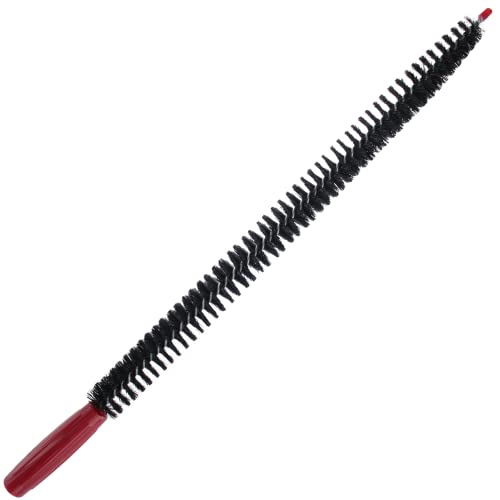
- Dehumidifier coil cleaning brush


Before You Start
Before cleaning, unplug the dehumidifier and turn off any power switches. Move the unit away from walls and ensure the area is well-ventilated. Check the user manual for model-specific cautions. Do not mix vinegar with bleach or ammonia, and never immerse the unit in water. Expect a cleaning session to take about 20–40 minutes depending on the model and accessibility of components. Carefully handle electrical components and allow the surface to dry completely before returning the unit to service.
Step-By-Step: How To Clean A Dehumidifier With Vinegar
- Unplug the dehumidifier and remove the water bucket or reservoir if applicable.
- Combine equal parts distilled white vinegar and water in the 16oz spray bottle for easy surface cleaning.
- Wipe the exterior housing with a microfiber cloth dampened with the vinegar solution to remove dust and grime.
- Open the intake and exhaust grilles and gently dust them with a dry microfiber cloth, then wipe with the vinegar solution if needed.
- Remove the air filter (if present) and rinse it under lukewarm water. If the filter is not washable, surface-clean it with the vinegar solution and a cloth.
- Use the dehumidifier coil cleaning brush to carefully dislodge any residue from coils and fins. Do not apply excessive pressure.
- Treat the condensate pan and drain line with vinegar spray, then wipe with a clean cloth. Rinse the pan with a small amount of water if allowed by the manual.
- Rinse all cleaned surfaces with a cloth dampened in plain water to remove vinegar residue.
- Dry every part completely with a dry microfiber cloth. Reinsert the filter and reservoir if removed.
- Plug the unit back in and run a short dry cycle to ensure all components are dry and functioning properly.
- If there is persistent odor, repeat the wipe-down steps once more with a fresh vinegar solution and allow extra drying time.
Troubleshooting
| Symptom | Likely Cause | Fix | Prevention |
|---|---|---|---|
| Water remains in the reservoir after a cycle | Blocked drain line | Clean the drain line and pan with vinegar solution, then flush with water | Regularly inspect suction points and drain path |
| Unpleasant odor after cleaning | Residue or mold in unseen areas | Wipe surfaces again, pay attention to coils and pan | Repeat cleaning less frequently but with thorough rinsing |
| Coils appear discolored or corroded | Harsh cleaners or mineral buildup | Use vinegar solution gently with brush, avoid abrasive tools | Clean periodically to prevent heavy buildup |
| Unit not turning on after maintenance | Power or safety interlock engaged | Ensure reservoir is reinstalled, check power switch, and reset if applicable | Follow manual safety steps precisely |
Common Mistakes
- Using straight vinegar in place of a diluted solution
- Over-wetting components, especially near electrical parts
- Neglecting the condensate pan and drain line
- Forgetting to dry parts completely before use
- Using abrasive brushes that may damage fins
Tips For Best Results
- Always start with the unit unplugged and cooled down.
- Use a microfiber cleaning cloths for appliances to lift dust without leaving fibers behind.
- Keep a dedicated 16oz spray bottle for vinegar cleaning appliances on hand for quick touch-ups.
- Schedule routine cleanings every 1–3 months depending on humidity and usage.
- Label and store tools with the proper protective covers to prevent accidental damage.
Call A Professional
Seek professional help if the unit exhibits persistent leaks, unusual noises, electrical smells, or fails to start after cleaning. If the dehumidifier is still under warranty, contact the manufacturer or an authorized service provider to avoid voiding coverage.
FAQ
Can I use vinegar on all dehumidifier models?
Most models tolerate a diluted vinegar solution for cleaning exterior surfaces and accessible parts. Always consult the user manual for model-specific guidance.
How often should I clean my dehumidifier with vinegar?
A light wipe-down monthly and a deeper clean every 3–6 months is typical, depending on usage and environment.
Is vinegar safe for coils?
Yes, when used sparingly with a soft brush and diluted solution, vinegar can help dissolve mineral buildup on coils without harsh effects.
What if I don’t have a spray bottle ready?
You can dampen a microfiber cloth with diluted vinegar and wipe components carefully, then rinse with a separate cloth dampened with plain water.
Should I rinse the unit after cleaning?
Rinsing is recommended for exterior surfaces and drainage areas. Avoid soaking any electrical components; use a damp cloth for rinsing.
Buying Guide
When choosing a dehumidifier or accessories for maintenance, consider size, noise level, energy efficiency, controls, and placement. For cleaning routines, select tools that fit your space and model:
- <bSize and capacity: Match the unit to your room to prevent overworking the compressor.
- <bNoise level: Quiet operation improves comfort in bedrooms and living areas.
- <bEnergy efficiency: Look for ENERGY STAR rated models for long-term savings.
- <bControls: Digital versus manual controls; consider features like auto-restart after power outages.
- <bPlacement: Place on a stable surface with adequate clearance for airflow and drainage.
- <bMaintenance tools: A dedicated dehumidifier coil cleaning brush, a 16oz spray bottle for vinegar cleaning appliances, and microfiber cleaning cloths for appliances streamline cleaning.
Thinking about how vinegar fits into your cleaning routine? It offers a simple, natural option that minimizes harsh chemicals while keeping your dehumidifier running efficiently. Ready to tackle a cleaner, longer-lasting unit?
Leave a Reply