How to Clean a Fish Tank
Maintaining a clean fish tank is essential for healthy fish and clear water. This guide outlines practical steps and safe methods to keep an aquarium pristine using common tools and simple routines.
Readers will learn a straightforward cleaning workflow, from preparation to maintenance, with practical tips that fit typical home setups in the United States.
Quick Answer
Regular partial water changes, combined with mechanical cleaning of substrate and glass, plus periodic filter maintenance, delivers the best balance of healthy water and easy upkeep. Use a gravel vacuum for the substrate, a magnetic cleaner for algae, and a glass scraper to tackle stubborn spots.
What You’ll Need
- Aquarium gravel vacuum siphon kit for substrate cleaning and water removal
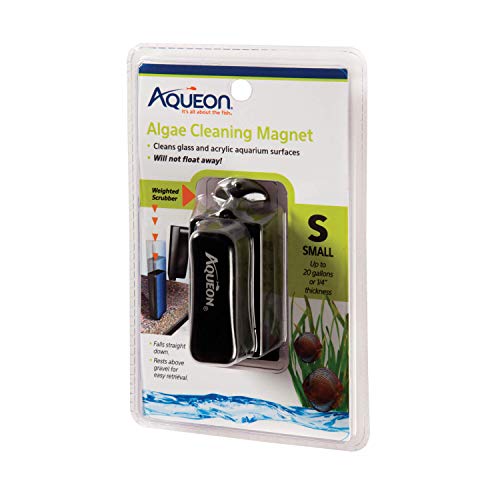
- Magnetic aquarium algae cleaner magnet to scrub algae off glass without getting wet
- Glass aquarium scraper for algae for tough spots on hard-to-clean surfaces
- Water conditioner and a clean bucket or container
- A clean siphon tube or hose and a suitable filtration setup
![QZQ Aquarium Gravel Cleaner [2025 Edition] Vacuum Fish Tank Vacuum Cleaner Tools for Aquarium Water Changer with Aquarium Thermometers Fish Net kit Use for Fish Tank Cleaning Gravel and Sand](https://m.media-amazon.com/images/I/51S+2N20RtL._SL500_.jpg)

Before You Start
Workspace should be stable and dry, and the tank should be placed away from direct sunlight. Always debone and dechlorinate new water before adding it back to the tank to protect fish. Plan for the time it takes to complete tasks; a typical partial water change and cleaning session may take 20–40 minutes depending on tank size.
Turn off heaters and filters if necessary before cleaning to avoid injury to equipment or fish. Prepare towels or absorbent mats to catch splashes. If your tank holds delicate species, adjust cleaning intensity accordingly to minimize stress.
Step-By-Step: How To Clean A Fish Tank
- Turn off and unplug equipment, including filters and lights. Remove any decorations if needed to access surfaces.
- Use the aquarium gravel vacuum siphon kit to siphon debris from the substrate while simultaneously replacing water.
- Perform a partial water change, replacing about 10–25% of the water with treated, room-temp water.
- Gently scrub the glass with the glass aquarium scraper for algae to remove algae buildup in areas where it clings.
- Use the magnetic aquarium algae cleaner magnet on the inside of the tank for quick passes and to reach mid-level algae.
- Clean or rinse decorations and wipe down the tank rim to remove biofilm and debris.
- Check the filter media; rinse or replace according to the manufacturer’s guidance, ensuring not to remove beneficial bacteria.
- Refill with treated water, reassemble equipment, and reintroduce fish only after the water parameters stabilize.
- Test water parameters (ammonia, nitrite, nitrate, pH) with a test kit and adjust as needed.
- Monitor fish for stress signs over the next 24–48 hours and resume a regular maintenance schedule.
- Schedule routine cleanings and water tests to maintain stable conditions over time.
Troubleshooting
| Symptom | Likely Cause | Fix | Prevention |
|---|---|---|---|
| Cloudy water | Overfeeding or uneaten debris | Reduce feed, vacuum more during weekly cleanings | Feed small amounts, multiple smaller meals |
| Algae growth on glass | Excess light or nutrients | Limit light exposure, check nutrient sources | Use a timer for lighting, maintain consistent schedule |
| Uneasy fish after cleaning | Rapid water parameter changes | Water conditioner properly dosed, test parameters | Match temperature and chemistry gradually |
| Slow filter flow | Clogged media | Rinse media or replace as needed | Clean on a rotating schedule to prevent clogs |
Common Mistakes
- Over-cleaning the tank, which can remove beneficial bacteria
- Using soaps or cleaners near fish; always keep them out of the tank
- Changing too much water at once, causing destabilized chemistry
- Ignoring test results and not adjusting maintenance accordingly
Sticking to gentle, consistent cleaning routines reduces stress for fish and keeps water parameters stable.
Tips For Best Results
- Clean on a predictable schedule (e.g., weekly partial water changes) to prevent buildup
- Use the aquarium gravel vacuum siphon kit to efficiently remove waste without disturbing too much substrate
- Keep algae under control with regular use of the magnetic aquarium algae cleaner magnet and glass scraper for stubborn areas
- Record water test results to spot trends and adjust maintenance before problems arise
Call A Professional
Seek professional help if you notice persistent rapid ammonia spikes, unusual fish behavior that doesn’t improve with standard cleaning, or persistent equipment failures. Do not delay if fish show signs of distress, including gasping at the surface, labored swimming, or visible injuries.
FAQ
What is the best way to start a regular cleaning routine?
Begin with a weekly partial water change and substrate cleaning, then gradually adjust frequency based on tank size and bioload.
Can I clean with the tank still occupied?
Yes, but minimize stress: use a gravel vacuum slowly and avoid sudden changes; ensure stable water parameters.
How often should I clean the glass?
Wipe algae as needed, typically every 1–2 weeks, depending on light and nutrient levels.
What tools help reduce maintenance time?
A compact aquarium gravel vacuum siphon kit and a magnetic aquarium algae cleaner magnet streamline the process.
Should I replace filter media during cleaning?
Only replace as recommended by the manufacturer to maintain beneficial bacteria.
Is there a risk with overfeeding during cleaning days?
Yes; overfeeding increases waste and cloudiness; feed only what is consumed in a few minutes.
Buying Guide
When selecting gear for cleaning a fish tank, consider size, compatibility, and maintenance needs. Look for a robust aquarium gravel vacuum siphon kit that fits your tank volume, and a magnetic aquarium algae cleaner magnet that reaches mid to high glass levels without water spillage. A reliable glass aquarium scraper for algae should handle tougher growth without scratching the glass.
Other buying factors include noise level of filters, energy efficiency, and ease of use. Consider controls that let you adjust flow and suction, and assess placement options for the siphon and containers. Compare models by how well they handle frequent partial water changes and how simple they are to clean after use. A compact setup is ideal for smaller tanks, while larger systems may benefit from more versatile cleaning kits.
For best results, choose products that align with your tank type (freshwater or saltwater) and fish stocking level. Think about how often you clean and whether you want multi-purpose tools or specialized devices. If unsure, start with a basic kit and add accessories as you gain experience. Would you like help selecting a setup tailored to your tank size and bioload?
Leave a Reply