How to Clean Dragon Stone Safely and Effectively
Dragon stone is cherished for its unique color and texture, whether worn as jewelry or displayed as a carving. Proper cleaning helps preserve its natural luster and structural integrity. This guide outlines a simple, safe routine tailored for dragon stone surfaces and finishes commonly found in jewelry and carvings.
Readers will learn step-by-step methods, recommended tools, and practical tips to avoid damage. A quick overview at the start helps you decide the best approach for your dragon stone pieces, from routine care to more thorough cleaning scenarios.
Quick Answer
Use a soft nylon-bristle brush for gentle brushing, pH-neutral stone cleaner for routine cleaning, and a microfiber polishing cloth to dry and buff. For delicate items, test a small area first and avoid soaking long-term. Store cleaned pieces away from direct sunlight and extreme heat to prevent fading or cracking.
What You’ll Need
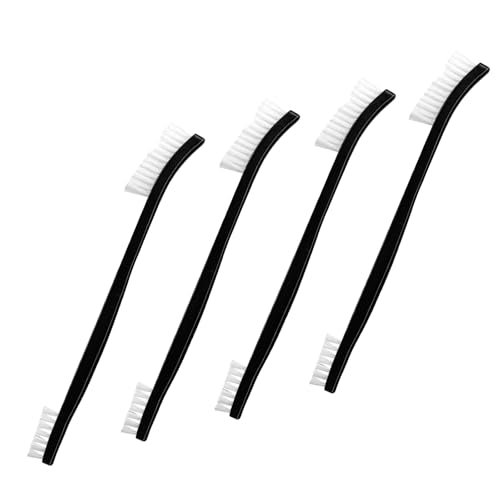
- Soft nylon-bristle stone cleaning brush for delicate dragon stone jewelry
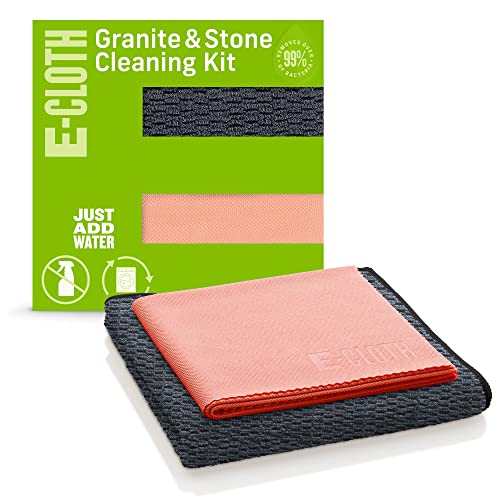
- Microfiber polishing cloth set for natural stone surfaces dragon stone cleaning
- pH-neutral stone cleaner spray for natural dragon stone jewelry and carvings

Before You Start
Inspect the piece for cracks or loose settings before cleaning. Work in a well-lit area and place a soft towel underneath to catch any drips. If the dragon stone is mounted in jewelry, remove it from metal clasps if possible to avoid metal abrasion. Avoid harsh chemicals, boiling water, and ultrasonic cleaners, which can damage stone surfaces.
Estimated time for a standard cleaning session is 5–15 minutes. For carved pieces, allow extra time for drying between more thorough cleanings. Always perform a spot test on a small, inconspicuous area first to ensure colorfastness and surface integrity.
Step-By-Step: How To Clean Dragon Stone
- Prepare a clean workspace and gather the recommended tools: brush, microfiber cloths, and pH-neutral cleaner.
- Gently remove loose dirt by brushing the surface with light, short strokes in a single direction.
- For jewelry, if possible, detach the piece from metal components to minimize cross-contamination and potential abrasion.
- Create a shallow cleaning solution by spraying a small amount of pH-neutral cleaner onto a damp cloth or directly onto a brush. Avoid soaking the stone.
- Gently wipe or brush the stone’s surface, paying attention to crevices and carved recesses without applying heavy pressure.
- Rinse the piece lightly by wiping with a cloth dampened with clean water to remove cleaner residue. Do not submerge for long periods.
- Dry immediately with a soft microfiber cloth, then buff to restore natural luster. Avoid leaving moisture in pits or joints.
- For persistent spots, repeat the brushing and wiping steps, then allow the item to air-dry completely in a shaded area.
- Inspect the piece again for any signs of wear, especially if it’s a carved or intricately detailed item.
- Store cleaned dragon stone in a cool, dry place away from direct sunlight to prevent color fading and surface drying.
- Periodic maintenance—light brushing and microfiber polishing—helps maintain shine without harsh treatments.
- For jewelry with delicate finishes, consider routine professional inspection if you notice dulling or micro-scratches.
Troubleshooting
| Symptom | Likely Cause | Fix | Prevention |
|---|---|---|---|
| Dull or chalky surface | Residue or mineral buildup | Wipe with pH-neutral cleaner and re-polish | Clean regularly; avoid acidic cleaners |
| Streaks after cleaning | Moisture left on surface | Dry with microfiber cloth thoroughly | Dry promptly after cleaning |
| Fading color on carved areas | Overexposure to sunlight or harsh chemicals | Limit sun exposure; use gentle cleaners | Store away from direct light |
| Hairline cracks in stone | Heat shock or aggressive cleaning | Consult a professional; avoid heat | Avoid temperature extremes during cleaning |
Common Mistakes
- Using household cleaners with acids or ammonia on dragon stone
- Soaking stone pieces for extended periods
- Brushing too aggressively on carved or delicate surfaces
- Drying with rough fabrics that abrade the surface
Keeping a gentle, consistent routine prevents common issues and preserves color and texture over time.
Tips For Best Results
- Always test cleaners on a small, hidden area first.
- Schedule regular cleanings to prevent buildup that becomes harder to remove.
- Use the microfiber cloth to both dry and gently buff the surface to a natural shine.
- Store pieces individually in soft pouches to minimize scratches from contact with other objects.
Call A Professional
Seek professional help if dragon stone exhibits persistent dullness, visible cracks, or color changes after cleaning. Stop cleaning and contact a jeweler or conservator if any component tightens or loosens during the process. Do not attempt to repair structural damage at home.
FAQ
Can dragon stone be cleaned with water alone?
Water can be used sparingly, but a pH-neutral cleaner helps lift oils and residues without damaging the stone.
Is it safe to use ultrasonic cleaners on dragon stone?
No. Ultrasonic cleaners can cause micro-cracks and worsen surface wear on delicate dragon stone.
How often should I clean dragon stone jewelry?
Clean jewelry every few months or sooner if it shows visible dirt or oils from skin contact.
What if the stone is heavily soiled or has stains?
Light cleaning with a pH-neutral spray is recommended; for stubborn stains, consult a professional conservator.
Buying Guide: Choosing The Right Dragon Stone Care Tools
When selecting tools for dragon stone care, consider size, material, and compatibility with the stone’s finish. A soft nylon-bristle brush is ideal for delicate surfaces, while a microfiber cloth set provides safe drying and polishing. A pH-neutral stone cleaner spray supports gentle cleaning without residue or alkalinity that could affect color or glaze.
Buying Guide
Key factors to evaluate include size of the stone piece (jewelry vs. carving), noise level if tools are used in a shared space, energy efficiency of cleaning routines, and control over spray application. Consider the placement of jewelry while cleaning—avoid crowded surfaces and ensure ventilation. Compare tools by material safety data, softness ratings, and compatibility with dragon stone finishes. Look for kits that combine a soft brush, microfiber cloths, and a pH-neutral cleaner for convenient, all-in-one care.
Leave a Reply