How to Clean Film Off Hardwood Floors
Film on hardwood floors can dull the natural shine and make surfaces look cloudy. Proper cleaning removes residue, restores luster, and protects the wood finish. This guide provides a practical, step by step approach using common tools and a gentle cleaner that is safe for most finishes.
Quick Answer
To remove film from hardwood floors, start with a mild, pH neutral cleaner and a non abrasive pad or microfiber mop. Rinse with a clean damp mop and dry thoroughly. For stubborn film, use a light buff with an electric floor buffer that is designed for hardwood and follow with a fresh cleaning pass.
What You’ll Need
- Microfiber mop for hardwood floors non scratch pad
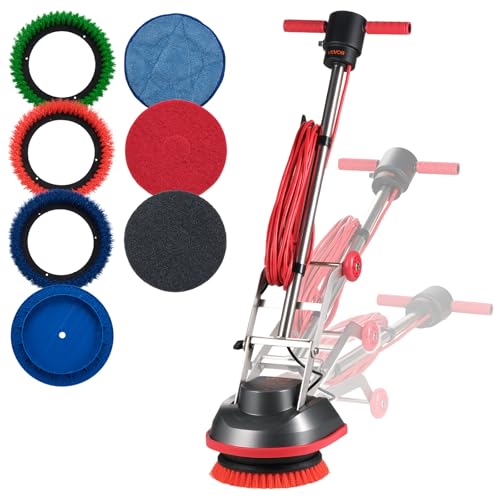
- Electric floor buffer polisher for hardwood floors
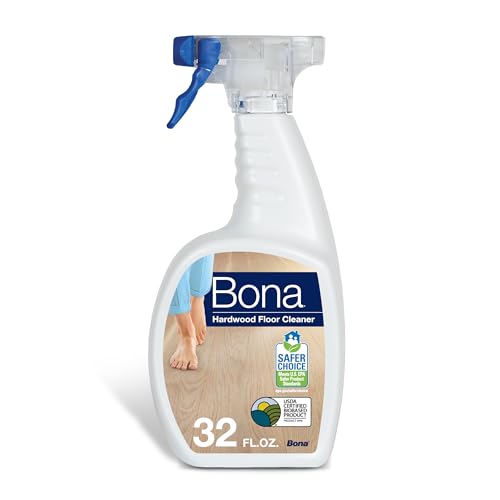
- PH neutral wood floor cleaner spray for hardwood

Before You Start
Prepare a work area by removing rugs and obstacles. Ventilate the space to reduce fumes if you use a cleaner spray. Test any cleaner in a small inconspicuous area first to ensure there is no discoloration. Allow for about 30 60 minutes of work time per room depending on size and film severity.
Critical cautions: Do not use harsh solvents or abrasive pads on exposed wood surfaces as they can scratch the finish. Avoid excessive wetness which can seep into seams and cause warping. If floor is newly refinished or under warranty, follow the finish manufacturer guidelines.
Step By Step: How To Clean Film Off Hardwood Floors
- Vacuum or sweep the floor thoroughly to remove loose dust and grit that can scratch during cleaning.
- Mist a light layer of PH neutral wood floor cleaner spray for hardwood onto a small area or onto a damp microfiber pad to avoid oversaturation.
- Gently mop the floor using straight overlapping strokes, focusing on areas with visible film buildup.
- For stubborn film, switch to a microfiber mop for hardwood floors non scratch pad and work the area with light, circular passes.
- If film persists, lightly buff the area with an electric floor buffer polisher for hardwood floors on a low setting, using a soft pad and keeping the machine moving to prevent heat buildup.
- Wipe away loosened residue with a clean, damp microfiber pad and rinse the pad frequently to avoid re depositing film.
- Rinse the floor with a clean damp mop to remove any cleaner residue and prevent a sticky film return.
- Dry the surface promptly with a dry microfiber cloth or allow air to dry; avoid walking on the floor while damp.
- Inspect the area and repeat only on areas where film remains, using the gentlest method that works.
- Return rugs and furniture after the floor is completely dry and free of residue.
- Keep to a regular cleaning schedule with pH neutral cleaners to prevent future film buildup.
Troubleshooting
| Symptom | Likely Cause | Fix | Prevention |
|---|---|---|---|
| Cloudy appearance after cleaning | Soap residue or over wetting | Rinse with a clean damp mop and dry thoroughly | Use minimal cleaner and avoid soaking |
| Streaks after drying | Uneven drying or residue | Buff with a dry microfiber cloth or re mop with damp pad | Work in small sections and dry promptly |
| Scratches after buffing | Too aggressive pad or pad improper | Switch to a softer pad and reduce pressure | Test in a hidden area first |
| Finish dulls in high traffic areas | Worn finish or incompatible cleaner | Consult finish manufacturer guidelines and re finish if needed | Use a finish safe cleaner for future cleaning |
Common Mistakes
- Using ammonia or vinegar based cleaners on some finishes
- Letting water sit on the floor or using soaking wet cloths
- Over polishing or using aggressive pads that damage the finish
- Skipping a test patch before full room use
Tips For Best Results
- Dust mop daily to reduce film forming dust and oils
- Avoid mopping with hot water; use lukewarm water for best results
- Always dry thoroughly after cleaning to prevent moisture damage
- Use PH neutral wood floor cleaner spray for hardwood as a regular cleaner to maintain finish
- Rotate cleaning by sections to avoid over saturating any one area
Call A Professional
Consider a pro if the film is persistent after multiple cleanings, if the finish appears cloudy despite cleaning, or if the floor shows signs of water damage or color change. Stop cleaning and seek expert advice if you notice peeling, delaminating, or warping.
FAQ
What causes film on hardwood floors?
Film can form from residue left by cleaners, spills, or natural oils that build up over time, especially in high traffic areas.
Can I use soap and water on hardwood floors?
Plain soap and water can leave a film if not rinsed well; opt for a pH neutral cleaner designed for hardwood.
Is an electric floor buffer safe for all finishes?
Buffers are safe on many sealed hardwoods when used with a soft pad and light pressure; always follow finish manufacturer guidelines.
How often should I deep clean for film buildup?
Deep clean when you notice dullness or film returns, typically every few months depending on traffic and finish wear.
Buying Guide
Choosing cleaning tools and products for hardwood floors requires matching the finish and traffic level. Consider size, noise, energy use, and placement as you evaluate options.
- <bSize: For large rooms, a longer handle or larger mop head reduces fatigue. Smaller spaces benefit from a compact mop.
- <bNoise level: Electric buffers can be loud; look for models with variable speeds or low noise settings for living areas.
- <bEnergy efficiency: Opt for efficient motors and shorter cleaning cycles to save energy and extend tool life.
- <bControls: Simple trigger spray systems and easy pad changes speed up cleaning and reduce mistakes.
- <bPlacement: Store near cleaning area; use wall mounted organizers for pads and cleaners to keep area tidy.
When comparing products, verify compatibility with your floor finish, read user reviews for real world performance, and confirm that the cleaner is pH neutral for hardwood. If film issues persist, a professional assessment can help determine if finish damage or deeper cleansing is needed.
Leave a Reply