How to Clean Fabric Awnings
Fabric awnings add shade and style to homes, garages, and storefronts. Proper cleaning removes dirt, mildew, and stains while extending the life of the fabric. This guide outlines a practical, step-by-step method using common tools and dedicated cleaners to keep canvases bright and functional.
Quick Answer
Begin with a light rinse to loosen dirt, apply a fabric-safe cleaner spray, scrub with an awning cleaning brush on an extendable pole, rinse again, and let the fabric dry fully in the sun. For stubborn mildew, treat with a mildew stain remover designed for canvas before a final rinse and dry.
What You’ll Need
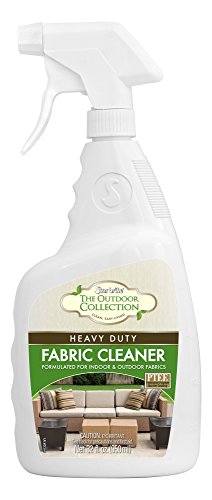
- Fabric awning cleaner spray canvas 32oz
- Awning cleaning brush with extendable pole
- Mildew stain remover for canvas awnings 16oz


Before You Start
Inspect the awning for tears or loose seams before cleaning. Close any windows to minimize splashes indoors. Protect nearby plants and outdoor furnishings. Test cleaners on a small, inconspicuous area first to ensure colorfastness. Plan for a dry, sunny day so the fabric can dry completely after cleaning.
Safety tip: Wear gloves and eye protection when handling cleaners. Do not use high-pressure hoses against the fabric, which can damage the backing.
Step-By-Step: How To Clean Fabric Awnings
- Remove loose debris with a soft brush or vacuum designed for delicate fabrics.
- Rinse the awning with water from a hose on a gentle spray setting to wet the surface evenly.
- Spray fabric awning cleaner spray canvas 32oz liberally over the surface, focusing on stained areas.
- Allow the cleaner to sit for 5–10 minutes to loosen dirt and grime.
- Scrub with the awning cleaning brush with extendable pole, using a gentle, circular motion from top to bottom.
- Rinse thoroughly from top to bottom until all soap suds are removed.
- If mildew is present, apply mildew stain remover for canvas awnings 16oz to affected areas and let it work for 5–10 minutes.
- Return to those spots with the brush and scrub lightly, then rinse again completely.
- Open the awning to inspect the fabric and ensure all cleaner residues are rinsed away.
- Allow the awning to dry completely in direct sunlight before retracting or reusing.
- Optional: Repeat the process for extra-soiled sections, ensuring full drying between passes.
Troubleshooting
| Symptom | Likely Cause | Fix | Prevention |
|---|---|---|---|
| Streaks after cleaning | Uneven application or incomplete rinsing | Rinse thoroughly; reapply cleaner to streaked areas and rinse again | Rinse with a consistent spray pattern |
| Fabrics fade or discolor | Harsh cleaners or sun exposure | Use milder cleaners and test first; clean on cooler days | Clean with shade and avoid strong sunlight during cleaning |
| Persistent mildew | Inadequate mildew treatment | Apply mildew stain remover, re-scrub, and rinse | Regular preventative cleaning to limit mildew buildup |
| Fabric stiff after drying | Detergent residue or over-drying | Rinse completely and allow full air drying | Use minimal necessary cleaner and avoid over-scrubbing |
Common Mistakes
- Using high-pressure water that can damage fabric seams
- Trying to dry clean coatings or waterproof finishes with the wrong products
- Neglecting to test cleaners on a hidden area first
- Cleaning in direct hot sun, which can cause uneven drying or fabric damage
Tips For Best Results
- Work in mild temperatures and allow ample drying time between cleaning cycles.
- Use a soft-bristled brush to minimize fabric wear while scrubbing.
- Rinse from the top down to prevent dirt from running onto cleaned areas.
- Store cleaning tools within reach to maintain consistent cleaning pressure and technique.
- Maintain a regular cleaning schedule to prevent heavy buildup.
Call A Professional
Call a pro if the fabric shows significant wear, fraying seams, or persistent mildew that covers large areas. Seek help if the awning is attached to fragile fixtures or if the cleaning requires lifting heavy materials or working from heights. If you notice color bleeding after cleaning, stop and consult a professional to avoid permanent damage.
FAQ
How often should I clean a fabric awning?
Clean at least once per season, or more frequently in areas with heavy pollen, dust, or mildew growth.
Can I power wash my fabric awning?
Avoid high-pressure power washing. Use gentle spray settings to protect fabric seams and backing.
Will cleaning affect the color or waterproofing?
Most cleaners designed for canvas fabrics are color-safe when tested first. Reapply recommended waterproofing products only after the fabric is fully dry and per manufacturer guidance.
What if stains don’t come out?
Spot-treat with a mildew remover for canvas awnings, re-scrub gently, and re-rinse. Persistent stains may require professional cleaning or fabric replacement.
Buying Guide
When selecting products to clean fabric awnings, consider these factors to maximize results and protect the fabric:
- Size and compatibility: Choose a cleaner and brush that cover the full width of the awning; extendable poles help reach higher sections.
- Noise level and ease of use: Look for a lightweight brush with a smooth, comfortable handle and minimal assembly requirements.
- Energy and water usage: Favor spray cleaners and manual scrubbing over power washing to conserve water and energy.
- Controlled application: Spray cleaners in targeted areas to prevent over-saturation and staining.
- Placement considerations: Clean in a shaded area or during cooler parts of the day to speed drying and protect fabrics from sun damage.
In practice, using a dedicated canvas cleaner, an extendable-brush system, and a mildew treatment designed for canvas yields the best results. Compare product features such as bottle size, brush head reach, and the compatibility of mildewcide formulas with your fabric type to choose a complete kit that fits your needs.
Leave a Reply