How to Clean Desk Chair Fabric
Maintaining a clean, fresh-looking desk chair fabric improves comfort and extends the life of the chair. This guide walks American readers through practical, safe cleaning methods using common upholstery products and supplies. It covers prep, step-by-step cleaning, and repairs for everyday fabric chairs in home offices, studios, and corporate spaces.
Quick Answer
For most fabric chairs, start with a gentle vacuum to remove debris, then treat stains with a fabric-safe cleaner. Use a microfiber cloth to blot, not rub, and air-dry completely before use. For tougher spots, repeat with a dedicated stain remover spray and follow product directions for best results.
What You’ll Need
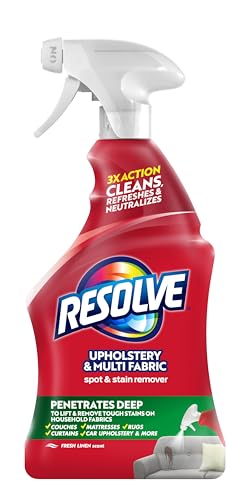
- Upholstery cleaner spray for fabric chairs
- Fabric chair stain remover spray
- Microfiber cleaning cloths for upholstery
- Soft-bristled brush (optional)
- Water in a spray bottle (for testing and light dampening)

Before You Start
Read fabric care labels on the chair to confirm any cleaning restrictions. A patch test on an inconspicuous area helps prevent discoloration. Work on a cooled surface away from direct sunlight to avoid fabric fading. Allow ample drying time—typically 2–6 hours depending on fabric and ventilation. If the chair is heavily soiled or contains delicate materials, consider professional cleaning.
Step-By-Step: How To Clean Desk Chair Fabric
- Remove cushions or loose covers if possible and shake out loose debris.
- Vacuum the fabric using a soft brush attachment to lift dirt and dust.
- Lightly dampen a microfiber cloth and blot any fresh stains to lift them without spreading.
- Apply upholstery cleaner spray for fabric chairs in accordance with the label, focusing on stained areas.
- Gently scrub with a soft-bristled brush if the stain requires extra agitation, then blot again with a clean microfiber cloth.
- For persistent spots, use fabric chair stain remover spray and follow the product’s directions, then blot thoroughly.
- Rinse the area sparingly with a lightly damp cloth to remove cleaner residues, avoiding over-wetting.
- Allow the fabric to air-dry completely before reassembling or sitting on the chair.
- Once dry, vacuum again to lift nap fibers and restore the fabric’s texture.
- Address any lingering odors with a quick pass of clean cloths and proper ventilation.
- If stains reappear or fabric shows wear, consider replacing affected panels or seeking professional cleaning.
- For future maintenance, establish a routine clean every few months or as needed.
Troubleshooting
| Symptom | Likely Cause | Fix | Prevention |
|---|---|---|---|
| Stain reappears after drying | Residual stain trapped in fibers | Repeat with stain remover spray and blot thoroughly | Address promptly; blot, don’t rub |
| Fabric feels stiff after cleaning | Excess cleaner residue | Wipe with barely damp cloth and air-dry | Use minimal product and test first |
| Water rings or halos | Over-wetting and uneven drying | Blot with dry cloth, then air-dry completely | Work in small sections; avoid over-wetting |
| Discoloration after cleaning | Tested colorfastness issue | Stop and consult fabric care label or a pro | Always perform patch test |
Common Mistakes
- Using bleach or harsh cleaners on fabric chairs
- Rubbing stains aggressively, which can spread and wear fibers
- Over-wetting the fabric, leading to mold or mildew
- Skipping a patch test and causing color changes
Tip: Work in a well-ventilated area and avoid placing the chair in direct sunlight while drying to prevent fading.
Tips For Best Results
- Test any cleaner on an inconspicuous area first.
- Use microfiber cloths to maximize absorbency and minimize lint.
- Blot, not rub, to protect nap and fibers.
- Schedule routine upkeep to reduce deep cleaning needs.
- Store cleaning tools within easy reach for quick spot treatment.
Call A Professional
Call a professional if the chair has persistent stains, significant odors, water damage, or if the fabric is delicate, such as antique leather-look textures that require specialized products. Seek immediate help for mold growth, which demands expert assessment and remediation.
FAQ
What is the best order to clean fabric office chairs?
Start with dry cleaning (vacuum), then treat stains with a spray cleaner, followed by blotting and air drying.
Can I wash fabric chair covers in a home washing machine?
Only if the chair covers are removable and labeled as machine washable; otherwise, hand cleaning is recommended.
How do I protect fabric from future stains?
Apply a fabric protector spray after cleaning and maintain a quick-clean routine for spills.
Is cleaning chair fabric safe for pets and kids?
Yes, using non-toxic cleaners and proper ventilation makes the process safe for households with children and pets.
Buying Guide
When choosing products and planning maintenance, consider size and fabric type, typical traffic in the area, and whether you need quick spot cleaners or fuller cleans. Look for labels that specify suitability for your chair material and easy-to-use spray formulations. Compare options by ease of patch testing, drying time, and how well the product works on common stains like coffee, ink, and food spills. For large home-office setups, a multi-pack of microfiber cloths and a durable upholstery cleaner can streamline routine cleaning. Additionally, check for low-residue formulas to minimize buildup over time.
Leave a Reply