How to Clean Enamel Surfaces Safely and Effectively
Enamel surfaces, whether on cookware or home fixtures, blend durability with a delicate gloss that can be tarnished by harsh cleaners. This guide provides practical, step-by-step instructions to remove stains, mineral buildup, and cooking residues from enamel without scratching or dulling the surface.
Following the right tools and techniques helps maintain the enamel’s sheen and extends the life of the piece. The tips below focus on common household routines and include safe alternatives for stubborn spots.
Quick Answer
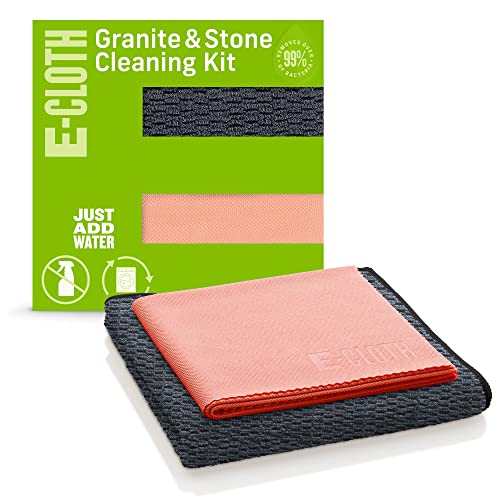
To clean enamel safely, start with warm water and a gentle cleanser. Use a soft bristle scrub brush for enamel cookware or a non-scratch sponge pad for porcelain enamel surfaces for scrubbing, and finish with a microfiber polishing cloth for porcelain enamel cleaning to buff dry. Avoid abrasive powders and metal scrubbers that can scratch enamel.
What You’ll Need
- Warm water
- Gentle dish soap or mild detergent
- Soft bristle scrub brush for enamel cookware or non-scratch sponge pad for porcelain enamel surfaces
- Optional baking soda for stubborn stains
- Microfiber polishing cloth for porcelain enamel cleaning
- Rubbing alcohol or white vinegar for mineral scale (optional)
- Plastic or silicone scraper for dried-on residue (non-metal)


Before You Start
Plan cleaning sessions when the surface is cool to the touch. Always test a small, inconspicuous area first to ensure no discoloration or scratching occurs. Do not use bleach, chlorine-based cleaners, or highly acidic solutions on porcelain enamel, as these can damage the glaze. If the enamel is cracked or chipped, consider professional repair to avoid further damage.
Time estimates vary by stain severity: light cleaning can take 5–10 minutes, while heavy buildup may require 20–30 minutes with pauses to rinse and dry.
Step-By-Step: How To Clean Enamel Surfaces
- Prepare the area: Wipe away loose debris with a dry cloth. Fill a sink or basin with warm, soapy water.
- Initial wipe: Dampen a soft-bristle brush or non-scratch sponge pad and gently scrub the surface in a circular motion to lift light residues.
- Target stains: For stubborn stains, make a paste with baking soda and water, apply to the spot, and let sit for 5–10 minutes before brushing gently.
- Rinse: Rinse thoroughly with clean warm water to remove soap and loosened grime.
- Scale removal: If mineral buildup is present, dampen a cloth with white vinegar or rubbing alcohol and wipe evenly; rinse again.
- Dry and buff: Use a microfiber polishing cloth for porcelain enamel cleaning to dry and buff the surface to a soft shine.
- Check for missed spots: Inspect under good light; repeat steps if needed on any remaining stains.
- Edge care: For edges and corners, use a plastic or silicone scraper to lift stuck-on residue without scratching.
- Final protection: For cookware, dry thoroughly before storing to prevent water spots and mineral deposits.
- Maintenance routine: Regular light cleaning after use helps prevent heavy buildup and keeps enamel glossy.
- Special surface considerations: Porcelain enamel in bathrooms or stovetops may respond differently; adjust pressure to avoid heat marks or dulling.
Troubleshooting
| Symptom | Likely Cause | Fix | Prevention |
|---|---|---|---|
| Stubborn stains remain after cleaning | Built-up mineral deposits | Apply paste of baking soda and water, let sit, scrub gently, rinse | Wipe surfaces with mild cleaner after use to prevent buildup |
| Scratch marks or dull appearance | Using abrasive tools or harsh cleaners | Switch to soft tools; use gentle, non-abrasive cleaners | Avoid metal scrubbers and strong solvents |
| Sticky residue on enamel cookware | Residue from sugary foods | Soak in warm soapy water, then scrub with soft brush | Rinse promptly after cooking sticky foods |
| Discoloration after cleaning | Improper cleaners or high heat exposure | Use mild detergents; ensure surfaces are cool before cleaning | Follow manufacturer care guidelines |
Common Mistakes
- Using abrasive pads or metal scrubbers on enamel surfaces
- Applying harsh chemicals like bleach directly to enamel
- Letting cleaners sit too long on glossy enamel, which can dull the finish
- Scrubbing too aggressively along the glaze edge where enamel is thinner
Tips For Best Results
- Always test cleaners on a small area first to avoid accidental damage
- Use warm water rather than hot to prevent thermal shock on enamel
- Rinse thoroughly after cleaning to prevent soap residue and spotting
- Dry completely with microfiber to reduce water spots and streaks
- Store enamel items in a dry, ventilated space to prevent moisture-related issues
Call A Professional
Seek professional help if enamel surfaces are severely cracked, chipped, or if staining persists after multiple cleaning attempts. Signs that warrant a pro include visible crazing, deep structural damage, or loss of glaze that exposes the substrate. For antique or high-value enamel pieces, professional restoration can preserve value and appearance.
FAQ
Can I use vinegar on all enamel surfaces?
Vinegar is generally safe for mineral deposits but should be avoided on antique finishes or surfaces labeled as sensitive. Always test a small area first.
Is baking soda safe for enamel cookware?
Yes, when used as a gentle paste on stains, baking soda is effective without scratching the surface.
What should I do if enamel is chipping?
Avoid using the piece until you consult a professional or consider replacement, as chips can worsen with use.
How often should I clean enamel surfaces?
Light cleaning after each use helps maintain gloss; deeper clean every month or as needed for buildup.
Buying Guide
When choosing tools for enamel cleaning, consider size, material, and compatibility with your surfaces. A soft bristle scrub brush for enamel cookware reduces risk of scratches on cookware’s curved surfaces, while a non-scratch sponge pad for porcelain enamel surfaces protects bathroom fixtures and stovetop enameled panels. A microfiber polishing cloth for porcelain enamel cleaning provides a lint-free finish and helps maintain shine. Look for tools with gentle, non-abrasive textures and durable plastic or silicone components to avoid marring enamel finishes.
Key buying factors include size and reach to access tight corners, noise level if you frequently clean in living spaces, and ease of use with one-handed operation. Energy efficiency isn’t a concern for manual cleaning, but ergonomic handles reduce fatigue during extended sessions. Consider a small, dedicated kit for enamel care to keep your surfaces pristine without cross-contamination from other household tasks. Finally, assess compatibility with your enamel glaze type and any manufacturer care instructions to ensure recommended tools won’t void warranties or cause damage.
Leave a Reply