How to Clean a Spill in the Oven
Spills in the oven can burn onto surfaces and create lingering odors if not addressed promptly. This guide provides a straightforward, practical approach to cleaning oven spills safely and effectively. By following simple steps, you can restore the oven’s interior and minimize stubborn stains.
Quick Answer
Act quickly after a spill cools, remove loose debris, use a gentle scraper or brush, and wipe with a damp cloth. For baked-on residues, repeat with a safe cleaner and finish with a heat-safe mat or liner to catch future spills.
A Clear List Of What You’ll Need
Having the right tools at hand makes the job easier and safer. Gather these items before you start.
- Stainless steel oven scraper with heat resistant handle
- Nylon bristle oven cleaning brush
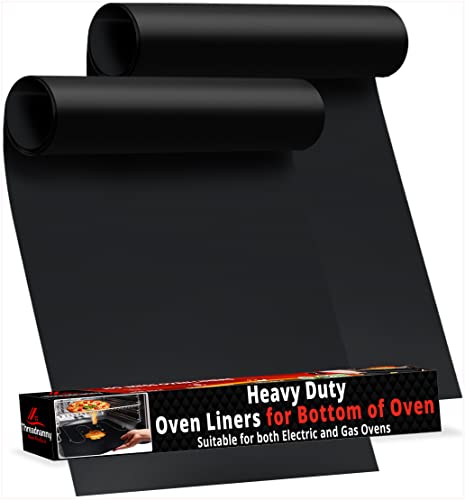
- Silicone oven liner mat


Before You Start
Prepare the workspace by ensuring the oven is off and completely cool. Remove racks if they’re easy to lift, and place a protective towel or mat on the floor in case spills spill over. Safety notes: never use abrasive cleaners on nonstick coatings, and avoid metal tools that could scratch interior surfaces. Estimate the time required as 20–40 minutes for routine wipe-downs, longer if there are baked-on stains.
Step-By-Step: How To Clean A Spill In The Oven
- Open the oven door and let any steam settle; if safe, remove racks to access the interior.
- Widen the spill area with a stainless steel oven scraper with heat resistant handle to break up crusted residue without scratching the interior.
- Brush loose debris from the floor and walls using a nylon bristle oven cleaning brush, working from the back to the front.
- Wipe loose particles with a damp cloth or sponge to prevent smearing as you work.
- If there are stubborn spots, apply a small amount of warm water mixed with a gentle, oven-safe cleaner; let it sit for a few minutes.
- Use the silicone oven liner mat to shield the bottom and catch drips on future cookouts; place it on a rack or tray as needed.
- Return racks to their position, then wipe away any remaining cleaner with a clean, damp cloth.
- Dry the interior with a towel to prevent streaks and moisture from lingering in hard-to-reach corners.
- Close the door and run a short, warm cycle if your oven supports it, or simply wipe down after it cools to keep surfaces dry.
- Inspect for any remaining stains; repeat steps as necessary on tougher residues, avoiding harsh scrubbing.
- Clean the exterior surfaces separately and store tools in a ready-to-use position for next time.
Troubleshooting
| Symptom | Likely Cause | Fix | Prevention |
|---|---|---|---|
| Residual odor after cleaning | Spilled oils or foods left to bake on | Re-clean with a gentle cleaner and increase ventilation while heating | Wipe spills promptly; use a silicone oven liner mat |
| Streaks on glass | Water spots or cleaner residue | Wipe with a damp cloth then dry with a microfiber cloth | Rinse cloth frequently; avoid harsh abrasive pads |
| Scratches on interior coating | Scraper used too aggressively | Switch to softer brushes and light pressure; stop if coating shows wear | Use tools designed for oven interiors |
| Racks sticking or difficult to slide | Build-up on rack guides | Remove and clean racks separately; lubricate guides if recommended by manufacturer | Clean spills on racks promptly |
Common Mistakes To Avoid
- Using abrasive cleaners or metal scrapers on nonstick interior surfaces
- Forgetting to allow the oven to fully cool before cleaning
- Neglecting to remove racks before deep cleaning, causing limited access
- Over-wetting surfaces, which can drip into controls or heating elements
By avoiding these pitfalls, you’re more likely to achieve a spotless oven without damage or extra work.
Tips For Best Results
- Place a silicone oven liner mat or a baking sheet underneath cooking areas to catch spills in the future.
- Keep a routine cleaning schedule for spills that occur during high-heat cooking, when residues tend to bake on more quickly.
- Warm water and a mild cleaner often work well; reserve stronger cleaners for stubborn stains if the manufacturer allows it.
- Regularly inspect oven seals and racks for signs of wear, and replace components as needed to maintain cleaning efficiency.
Call A Professional
Consider professional help if you notice persistent odors, smoke during operation, or signs of damage to seals, heating elements, or the oven floor. Stop and call a technician if you detect unusual heat, electrical smells, or leaks.
FAQ
Can I use baking soda paste to clean oven spills?
Yes, a mild baking soda paste can help with tough spots. Apply, let sit, then scrub gently and wipe clean.
Is it safe to use a steel scraper on stainless steel interior?
Use a scraper designed for ovens and apply light pressure to avoid scratches; consult the manufacturer guidance for your model.
How often should I clean the oven after a spill?
Clean spills promptly within the same day if possible to prevent baked-on residues.
Are silicone liners compatible with all ovens?
Most ovens accommodate silicone liners, but check your model’s manual for heat limits and fit.
What should I do if the odor remains after cleaning?
Ventilate the kitchen, re‑clean with a mild cleaner, and consider running a short bake cycle with an opened oven to help dissipate odors.
Will using a dishwasher-safe rack cleaner help?
Racks are often dishwasher safe, but avoid soaking or cleaning interior elements in a dishwasher; wash racks separately as needed.
Buying Guide
Choosing the right tools for oven spills helps maintain appliance longevity and makes cleanups easier. When evaluating accessories, consider size, compatibility, and ease of use.
- <bSize and fit: Ensure tools and liners fit your oven interior and racks without obstructing heating elements or door seals.
- <bMaterial quality: Look for heat-resistant handles and durable bristles that won’t shed during cleaning.
- <bNoise and ease: Nylon bristle brushes should be effective yet quiet, avoiding harsh scrubbing sounds.
- <bDurability and warranty: Invest in items with solid warranties or good consumer reviews to ensure long-term usefulness.
- <bEase of maintenance: Tools that are easy to rinse or wipe clean save time on future sessions.
- <bPlacement: Silicone liners are best placed on the oven floor or in a tray to catch spills and simplify cleanup.
For most households, a combination of a stainless steel oven scraper, a nylon brush, and a silicone liner mat covers common spill scenarios well. Consider how you cook—baked goods, roasting, or broiling—and choose tools that align with your routine. If spills are frequent, a liner mat becomes especially valuable for quick cleanup after meals. Curious about how these tools work in practice? A quick setup and a routine cleaning plan can make spill management almost effortless.
Leave a Reply