How to Clean Earrings With Alcohol Safely and Effectively
Cleaning earrings with alcohol is a quick and effective option for sanitizing metal posts, clasps, and decorative elements. This guide walks through safe methods, practical steps, and common pitfalls to help American users maintain bright, hygienic jewelry without damaging delicate finishes or settings.
Whether you wear small studs daily or fancy drop earrings for special occasions, knowing how to clean them properly can extend their life and reduce skin irritation from built-up oils and residue.
Quick Answer
Best method: For most earrings, use isopropyl alcohol wipes or a soft brush paired with alcohol-safe cleaning solutions. If the design includes intricate settings, consider an ultrasonic cleaner at a gentle frequency to dislodge debris—but never submerge porous stones or porous materials without verifying safety first.
What You’ll Need
- Isopropyl alcohol wipes or 70% isopropyl alcohol in a small bottle
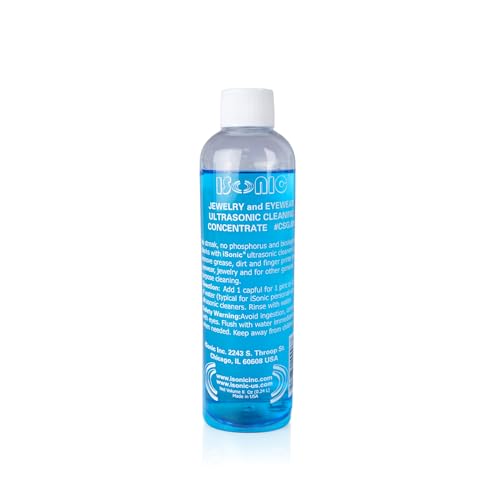
- Ultrasonic jewelry cleaner 40kHz for earrings (optional for thorough cleaning)
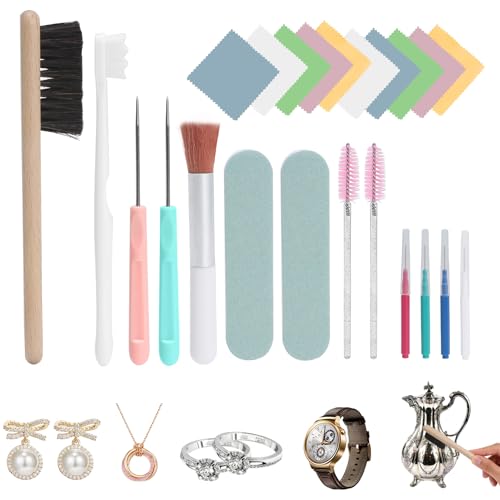
- Jewelry cleaning brush set soft bristle earrings alcohol safe
- Soft lint-free cloth for drying and polishing
- Gloves or finger protection if you have sensitive skin

Before You Start
Assess the earring materials and settings before cleaning. Coarse finishes, pearls, opals, or porous stones can be damaged by aggressive chemicals or ultrasonic action. If unsure, test a small inconspicuous area first. Allow a few minutes for items to air-dry after cleaning. Time estimate: general cleaning 5–10 minutes; ultrasonic cleaning if used, 2–4 minutes per cycle, with cooldown between cycles.
Step-By-Step: How To Clean Earrings With Alcohol
- Remove earrings from ears and inspect for loose stones or damaged components. If anything looks compromised, skip cleaning and consult a jeweler.
- Prepare a clean workspace and lay out a soft cloth. If using alcohol wipes, ensure the wipe is not soaking wet to avoid over-wetting closures.
- Wipe metal surfaces and backs with a gentle isopropyl alcohol wipe to remove oils, sweat, and residue.
- For crevices and intricate settings, dip a soft brush into a small amount of alcohol and gently brush along channels and around stones. Use light, brushing motions to avoid loosening settings.
- If using an ultrasonic cleaner, fill the unit with water and add a few drops of alcohol-free, mild detergent per device instructions. Place earrings in a mesh basket and run a short, gentle cycle (low power, shallow immersion) only if the stones are hard and non-porous.
- Rinse briefly with clean water if recommended by the cleaner’s guidelines, then pat dry with a lint-free cloth. Avoid rubbing aggressively on delicate stones.
- Air-dry fully in a clean area before reinserting earrings. Do not wear immediately after cleaning if the skin is irritated.
- Polish with a soft cloth to restore shine. For plated or coated surfaces, test a small area first to prevent dulling.
- Store in a dry, dust-free place. Consider keeping a small bottle of alcohol wipe for future quick cleanings.
- Document any unusual changes in earring components and discontinue use if any corrosion or discoloration occurs.
- For sensitive ears, rinse and dry thoroughly to remove any residual alcohol before wearing again.
Troubleshooting
| Symptom | Likely Cause | Fix | Prevention |
|---|---|---|---|
| Stones look dull after cleaning | Residue or improper polishing | Wipe with clean water and polish with a dry cloth | Use minimal alcohol near stones; avoid over-wetting |
| Discolored metal | Reactive metals or harsh chemical exposure | Rinse and dry; consult a jeweler for replating if needed | Limit exposure to alcohol on sensitive finishes |
| Loose settings or clasps | Cleaning agitation or pre-existing wear | Stop cleaning and seek professional inspection | Gentle cleaning and regular inspection |
| Skin irritation after cleaning | Residual alcohol or metal allergy | Rinse thoroughly, dry, and choose hypoallergenic materials | Test patch on skin before wearing |
| Porous stones damaged | Alcohol exposure or ultrasonic action | Cease use of alcohol on porous materials | Identify stone type before cleaning |
Common Mistakes
- Using overly saturated cloth or wipes that soak into settings
- Submerging porous stones (pearls, opals) in alcohol
- Relying solely on ultrasonic cleaning for delicate jewelry
- Neglecting thorough drying, leading to water spots or corrosion
Tips For Best Results
- Test a small inconspicuous area before full cleaning, especially on plated finishes
- Pair alcohol cleaning with a soft brush for hard-to-reach areas
- Avoid abrasive polishing pads or rough cloths that scratch metal
- Schedule regular inspections to catch loose stones early
- Use alcohol-safe wipes for quick spot-cleaning between full cleanings
Call A Professional
Consider professional help if earrings show persistent dullness, scratches, loose stones, or any signs of structural damage. Stop cleaning and contact a jeweler if you notice discoloration that does not fade after cleaning, or if you see exposed backs or weakened settings. For highly valuable or sentimental pieces, professional assessment is prudent before attempting any aggressive cleaning.
FAQ
Is isopropyl alcohol safe for all earring materials?
Isopropyl alcohol is generally safe for metal components and many coated finishes, but it can damage porous stones and certain coatings. Always test first and follow manufacturer recommendations.
Can I use alcohol for pearl earrings?
No. Pearls are delicate and porous; alcohol can dry the surface and damage the nacre. Use a damp cloth with mild soapy water or a jewelry-specific pearl cleaner instead.
Should I always use an ultrasonic cleaner?
Not always. Ultrasonic cleaning is effective for hard, non-porous metals but can loosen settings or harm delicate stones. Use it sparingly and according to the device’s instructions.
How often should I clean my earrings?
Frequency depends on wear and environment. Daily wear may benefit from quick alcohol wipe-downs weekly, with a deeper clean every few months or after heavy exposure to sweat or makeup.
Can I mix alcohol with other cleaning solutions?
Avoid mixing alcohol with ammonia-based cleaners or ultrasonic detergents unless the product expressly allows it.
Buying Guide
When choosing tools to support cleaning, consider size and material compatibility, noise level, energy efficiency, controls, and placement in the home. For most routines, a compact ultrasonic jewelry cleaner 40kHz for earrings provides thorough cleaning without manual scrubbing, while a jewelry cleaning brush set soft bristle earrings alcohol safe offers precise local cleaning. Isopropyl alcohol wipes provide quick touch-ups without water exposure. Look for a kit that explicitly notes compatibility with earrings and non-porous metals, and verify that brushes have ultra-soft bristles to protect delicate surfaces. For compact storage, choose a unit with a drip tray and easy-to-clean surfaces. If you clean frequently or manage a home jewelry collection for multiple users, consider a model with adjustable cleaning cycles and a clear display to simplify operation. Finally, ensure cleaning tools align with your typical jewelry materials, avoiding porous stones and coatings that may be harmed by alcohol or ultrasonic agitation.
Leave a Reply