How to Clean a Dirty Bathtub Fast
Keeping a bathtub clean can feel like a constant chore, especially when hard water stains and soap scum build up. This guide offers a practical, step-by-step method to restore a dirty tub quickly without heavy scrubbing or costly cleaners. By selecting the right tools and following a focused routine, most bathtubs look noticeably cleaner in under 30 minutes.
The approach below emphasizes common household cleaners, a few proven tools, and efficient techniques to minimize elbow grease while maximizing results. It’s designed for American homes, with considerations for typical tub materials and grout lines found in bathrooms across the United States.
Quick Answer
For fast results, apply a bathroom cleaner or a vinegar-baking-soda combination, let it sit for 5–10 minutes, then scrub with the right tool and rinse thoroughly. Target stubborn spots last, and finish with a quick wipe to maintain shine.
What You’ll Need
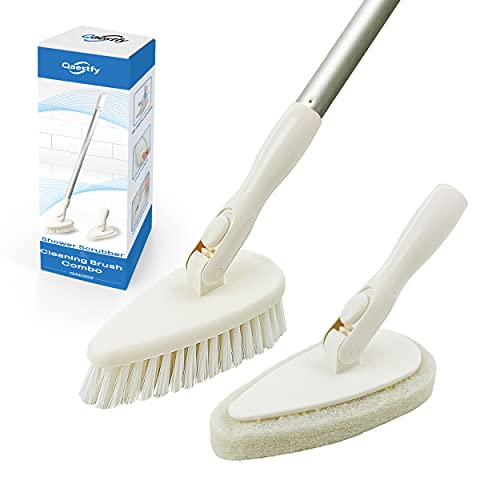
- 6 inch stiff nylon bathtub scrub brush with scraper for hard water stains
- extendable aluminum telescoping bath scrub wand for tub cleaning
- angled grout brush for bathroom tiles and bathtub with scraper


Before You Start
Protect skin with gloves and ensure good ventilation when using cleaners. Remove personal items from the tub area and cover nearby surfaces to prevent splashes. Time estimate: 15–30 minutes for a standard acrylic or porcelain tub. Critical cautions: avoid abrasive pads on delicate surfaces, never mix bleach with ammonia, and test cleaners in a small, inconspicuous area first.
Step-By-Step: How To Clean A Dirty Bathtub Fast
- Remove any hair, soap scum, and loose debris from the tub floor and corners with a dry cloth or towel.
- Spray a bathroom cleaner or a homemade solution (1 part white vinegar to 1 part water) over the tub, focusing on areas with visible stains and grout lines.
- Let the cleaner sit for 5–10 minutes to loosen grime and mineral deposits.
- Attach the 6 inch stiff nylon bathtub scrub brush with scraper to the extendable wand for reach, and scrub the tub floor, walls, and corners in circular motions.
- Use the angled grout brush along any grout lines between tiles and at the edge of the tub to lift soap scum without scratching.
- Return to stubborn spots with the scraper edge on the brush to gently lift mineral deposits or soap scum, applying light pressure.
- Rinse the tub thoroughly with clean water using the wand to reach high spots and corners, flushing away loosened grime.
- Dry the tub with a microfiber cloth to prevent water spots and help maintain a fresh look.
- Inspect for any remaining stains; repeat a brief treatment on gaps or persistent areas if needed.
Troubleshooting
| Symptom | Likely Cause | Fix | Prevention |
|---|---|---|---|
| Stubborn stains persist after cleaning | Mineral buildup or soap scum in grout | Apply a stronger cleaner or a baking soda paste; scrub with grout brush | Regular quick cleanings to prevent buildup |
| Scrubber leaves scratches on surface | Using abrasive tools on delicate finishes | Switch to non-abrasive pads and use gentler pressure | Choose appropriate tools for tub material |
| Foul odor after cleaning | Standing water or organic residue | Rinse thoroughly and dry; consider a baking soda rinse | Ventilate bathroom during and after cleaning |
| Streaks after rinse | Soap residues or hard water film | Wipe dry with microfiber; consider a final vinegar rinse | Rinse thoroughly and dry after each use |
Common Mistakes
- Over-reliance on a single cleaner for all surfaces
- Using excessive water or scrubbing force that can damage finishes
- Skipping the drying step, which invites new spots and mildew
- Ignoring grout lines, where grime tends to accumulate
Tips For Best Results
- Work from top to bottom to prevent dirty water from dripping onto cleaned areas
- Pre-treat hard water stains with a vinegar solution for easier scrubbing
- Keep a small, dedicated scrub brush for the tub and another for grout to avoid cross-contamination
- Rinse thoroughly and dry promptly to maintain a glossy finish
- Schedule regular maintenance cleanings to reduce heavy buildup
Call A Professional
Consider contacting a professional if the tub has persistent etching, severe mineral deposits that do not respond to cleaning, or if the surface shows cracks, discoloration, or peeling enamel. Seek help sooner if you notice mold growth behind grout or around caulking, or if a DIY approach requires repeatedly aggressive scrubbing without improvement.
FAQ
Can I use bleach to clean a dirty bathtub?
Bleach can be effective for whitening, but use it with caution and never mix with ammonia or acidic cleaners. Always rinse thoroughly and ventilate well.
Is vinegar safe for all tub surfaces?
Vinegar is generally safe for porcelain and acrylic, but avoid it on natural stone or surfaces labeled as non-acid-safe. Test a small area first.
How often should I deep-clean my bathtub?
Deep-clean every 1–2 weeks depending on usage and water hardness; wipe down after each use to minimize buildup.
What’s the best tool for hard water stains?
A stiff nylon scrub brush with a scraper paired with a dedicated grout brush provides good contact without scratching.
Buying Guide
When choosing tub-cleaning tools and accessories, consider the following factors to optimize performance and convenience.
Size and reach: An extendable wand helps reach tub ceilings, corners, and high edges without bending or stepping on the tub rim. Choose lengths that fit your bathroom layout.
Brush stiffness: A 6 inch stiff nylon brush is effective for hard water stains without marring surfaces. If the tub has delicate enamel, consider softer brushes for routine maintenance.
Angles and scrapers: An angled grout brush and a scraper edge on the brush aid in cleaning corners and grout lines where grime accumulates.
Material compatibility: Verify that tools are safe for your tub material (acrylic, porcelain, enamel). Avoid metal brushes on delicate finishes.
Storage and ergonomics: Look for lightweight, comfortable grips and storing solutions that keep brushes dry between uses to prevent mildew.
Replacement and durability: Choose tools with replaceable heads or durable construction to maximize lifespan and cost-effectiveness.
Leave a Reply