How to Clean Dried Puke Out of Carpet
Accidents happen, especially in households with kids or pets. Dried vomit can be stubborn, releasing odors and staining if not treated properly. This guide offers a practical, step-by-step approach using common household tools and recommended products to restore carpet freshness and color.
The method focuses on safety, odor control, stain removal, and preventing repeat incidents. It combines mechanical cleaning with enzymatic cleaning solutions to break down organic matter effectively without damaging carpet fibers.
Quick Answer
Act quickly, pre-treat the stain with an enzymatic stain remover, blot to lift moisture, use warm water and a carpet cleaner or extractor, and finish with an odor eliminator spray. For stubborn areas, repeat the treatment and consider a portable carpet cleaning machine extractor for deep cleaning.
What You’ll Need
- Enzyme cleaner for vomit stain carpet
- Carpet stain remover enzymatic odor eliminator spray
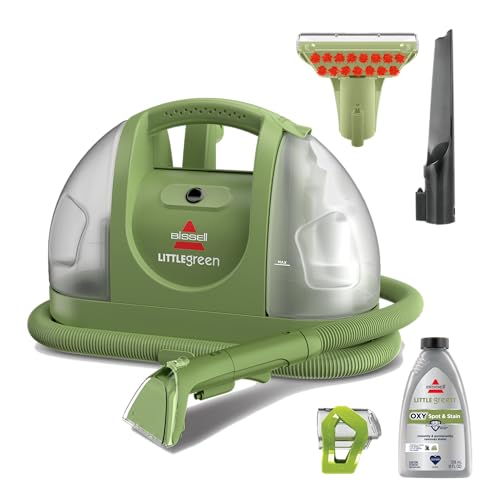
- Portable carpet cleaning machine extractor
- Clean white cloths or paper towels
- Soft-bristle brush or sponge
- Warm water
- Gloves and ventilation (optional, for odor control)

Before You Start
Clear the area of furniture if possible to access the stain fully. Wear gloves to protect your hands and ensure good ventilation to minimize odors. Test any cleaner on an inconspicuous carpet area first to verify colorfastness. Time estimate for most spills: 30–60 minutes for stain lift, plus drying time which can vary by carpet and room conditions. Important: do not rub vigorously, as this can spread stain and cube fibers. Use a blotting motion to lift moisture.
Step-By-Step: How To Clean Dried Puke Out Of Carpet
- Assess the stain and gently lift any crusted material using a dull spoon or spatula. Avoid pressing down to prevent embedding debris deeper into fibers.
- Apply a thin layer of enzyme cleaner for vomit stain carpet to the affected area. Let it sit according to product directions to begin breaking down organic matter.
- Blot the area with a clean, absorbent cloth to remove loosened moisture. Work from the outside edges toward the center to prevent spreading.
- Use a soft-bristle brush or sponge to work the cleaner into the carpet fibers, then blot again to lift more residue.
- Rinse the area with warm water and blot until the cloth comes up relatively clean. Repeat as needed to remove cleaning solution and contaminants.
- If using a portable carpet cleaning machine extractor, fill the reservoir with warm water and a compatible cleaning solution, then extract the stain area. Repeat until extraction runs clear.
- Apply carpet stain remover enzymatic odor eliminator spray to neutralize remaining odor. Allow it to set briefly and then blot dry or use the extractor for a final rinse and extraction.
- Let the area dry completely. Improve airflow with a fan or open windows. Avoid walking on the area until fully dry to prevent re-soiling.
- Inspect the carpet once dry. If any stain or odor remains, repeat the treatment. For persistent odors, apply a second enzymatic spray and perform a final extraction.
- Optional: For heavily soiled traffic zones, consider a second pass with a portable extractor to ensure deep cleaning and odor control.
- Finish by applying a light mist of enzymatic odor eliminator spray for ongoing freshness, and replace furniture once the carpet is dry.
Troubleshooting
| Symptom | Likely Cause | Fix | Prevention |
|---|---|---|---|
| Persistent odor after cleaning | Odor-causing compounds remain | Apply enzymatic odor eliminator spray and re-clean with extractor | Pre-treat immediately; normalize humidity |
| Stain reappears after drying | Stain redeposited during cleaning | Repeat enzymatic treatment and extraction | Avoid rubbing; blot from edges to center |
| Fibers feel stiff or crunchy | Residue buildup from cleaners | Rinse thoroughly and remove as much solution as possible | Use minimal amount of cleaning solution |
| Color fading or dye bleed | Harsh cleaner or overly hot water | Test first; use recommended temperature and cleaners | Follow product instructions |
Common Mistakes
- Using hot water or steam on organic stains; this can set proteins and odors
- Scrubbing aggressively, which can damage carpet fibers and spread stain
- Skipping a pre-test on a hidden area; can cause color damage
- Relying on one cleaning pass; often multiple steps yield better results
Tips For Best Results
- Act sooner rather than later to minimize staining and odor diffusion
- Choose enzymatic cleaners designed for vomit and pet stains for safety and effectiveness
- Use a portable carpet cleaning machine extractor for deep cleaning, especially in high-traffic zones
- Ventilate well during cleaning and drying to speed up odor control
- Keep a small cleaning kit ready for quick responses to fresh spills
Call A Professional
Seek professional help if: the stain covers a large area (greater than a square foot), odors persist after multiple cleanings, or there are repeated incidents in the same spot. For delicate or valuable carpets, professional extraction services can prevent texture damage and ensure thorough odor removal.
FAQ
What is the best enzymatic cleaner for vomit stain carpet?
Look for a product labeled as an enzyme cleaner for vomit stain carpet; these work by breaking down proteins and neutralizing odors effectively.
Can I use a portable carpet cleaning machine extractor on dried stains?
Yes, a portable extractor can help lift deeply embedded residues, especially when paired with an enzymatic cleaner.
Should I rinse after applying enzymatic cleaners?
Rinsing helps remove cleaner residue and prevents attracting new dirt; follow the product instructions for best results.
How long does it take for carpet to dry after cleaning?
Drying time varies with carpet thickness, room temperature, and airflow; typical dry times range from 2 to 6 hours.
Is it safe to use household cleaners on carpet?
Only cleaners labeled safe for carpet use should be applied; always test on a hidden area first.
What if the stain returns after drying?
Reapply enzymatic cleaner and consider a second extraction; persistent stains may require professional treatment.
Buying Guide
When choosing products for cleaning dried puke from carpet, consider several factors to balance effectiveness, safety, and ease of use.
- <bSize and coverage: Choose enzyme cleaners and sprays that are suitable for the stain size and carpet type. Larger areas may benefit from a portable extractor.
- <bNoise level: If using a carpet extractor, review noise ratings to fit into daytime cleaning schedules without disturbing others.
- <bEnergy efficiency: Opt for battery-powered portable cleaners or efficient corded models to save energy during multiple passes.
- <bControls and ease of use: Simple spray bottles or straightforward extraction units reduce missteps during cleanup.
- <bPlacement: Place cleaners within reach in the cleaning area; ensure cords are managed to avoid tripping hazards.
- <bOdor control: Prioritize enzymatic odor eliminators to neutralize odors at the source rather than masking them.
- <bSurface considerations: Check carpet fiber type (nylon, polyester, wool) and dye stability; test any cleaner first.
- <bMaintenance: Regularly clean and store equipment to preserve effectiveness and prevent residue buildup.
Leave a Reply