How to Clean Aluminum Without Scratching
Aluminum surfaces are prized for their light weight and shine, but they can easily show scratches or dull spots if cleaned with the wrong tools. This guide explains a careful approach using non-abrasive methods and dedicated aluminum cleaning products. The goal is a smooth, streak-free finish that preserves the metal’s natural luster.
Quick Answer
Use non-abrasive tools and a mild polish designed for aluminum. Work in the direction of the grain or circular motions with light pressure, rinse frequently, and dry with a soft microfiber cloth to prevent water spots. For delicate finishes, rely on a dedicated aluminum cleaning pad and a microfiber towel set to minimize scratching.
What You’ll Need
- Aluminum polishing kit non-abrasive microfiber cloths
- Non-scratch aluminum cleaning pads
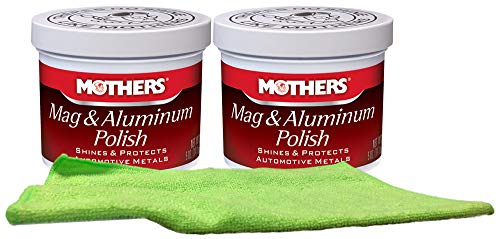
- Aluminum polish with microfiber towel set


Before You Start
Clear the work area and protect nearby surfaces that might be damaged by cleaners. Read product labels for any specific instructions or warnings. Perform a small test in an inconspicuous spot to confirm compatibility with your aluminum finish. Time investment typically ranges from 20 to 45 minutes for most surfaces. Wear gloves if you have sensitive skin or chemical concerns.
Step-By-Step: How To Clean Aluminum Without Scratching
- Remove loose dust with a soft, dry microfiber cloth to prevent grinding particles during cleaning.
- Apply a small amount of aluminum polish to a clean microfiber cloth or the included towel, following the product’s directions.
- Gently rub the surface in long, straight strokes or circular motions, avoiding heavy pressure. Let the polish work in without forcing scratches.
- For recessed areas, use non-scratch aluminum cleaning pads lightly, focusing on the pad’s edges rather than pressing hard on the surface.
- Wipe away residue with a fresh microfiber cloth, rinsing the cloth frequently to prevent re-depositing grime.
- Rinse the surface with a damp cloth to remove any remaining cleaner, then dry thoroughly with a soft towel to prevent water spots.
- Inspect for dull patches or streaks. If needed, repeat the polishing step on heavily tarnished areas with a lighter touch.
- Finish by buffing with a clean microfiber cloth until the surface shines evenly.
- Optional: Apply a light protective wipe or sealant designed for aluminum to extend the shine and reduce future buildup.
- Store all tools clean and dry, ready for the next maintenance session.
Troubleshooting
| Symptom | Likely Cause | Fix | Prevention |
|---|---|---|---|
| Streaks or cloudiness | Residual cleaner or improper drying | Wipe with a clean, damp cloth and dry completely | Rinse well and dry promptly after each use |
| Scratches appear after cleaning | Use of abrasive pads or excessive pressure | Switch to non-scratch pads and reduce pressure | Test on an inconspicuous spot first |
| Dull finish returns quickly | Surface buildup or insufficient polishing | Re-polish with light, even strokes | Perform periodic maintenance with non-abrasive tools |
| Pad leaves residue | Pad fibers shed or incompatible polish | Use a fresh pad and suitable microfiber cloth | Choose the pad and polish specified for aluminum |
Common Mistakes
- Using household cleaners not formulated for aluminum, which can corrode or dull the finish.
- Scrubbing aggressively or with rough brushes that create micro-scratches.
- Cleaning dry, which can grind dust into the surface; always pre-wet or dampen before cleaning.
- Skipping a final rinse or proper drying, leading to water spots or residue buildup.
Tips For Best Results
- Work in a shaded area to avoid sun drying cleaner too quickly and causing streaks.
- Use the lightest effective pressure; aluminum responds well to gentle, deliberate strokes.
- Keep microfiber cloths clean; lint or fibers can scratch or mar the finish.
- Rotate through clean sections of cloth to avoid reapplying dirt onto the surface.
- For immersion-clean items, rinse thoroughly after cleaning to remove all residues before drying.
Call A Professional
Consider contacting a professional if the aluminum surface has deep pitting, severe oxidation, or previously applied coatings that require specialized products or refinishing. If you notice persistent discoloration that does not respond to basic polishing, seek expert assessment.
FAQ
Can I use household paper towels to dry aluminum after cleaning?
Paper towels can leave lint or scratch the surface; opt for a clean, dry microfiber towel for best results.
Is it safe to use aluminum polish on brushed aluminum finishes?
Yes, but test in a small area first and follow the product guide to avoid altering the texture or sheen.
How often should I clean aluminum surfaces?
Light, routine cleaning every few weeks helps prevent buildup, with a deeper polish as needed based on usage and exposure.
What if I don’t have non-scratch pads?
Use a soft microfiber cloth alone for gentle polishing, then switch to non-scratch pads as soon as possible for tougher spots.
Can I use water alone to clean aluminum?
Water helps remove loose grime, but cleaning agents formulated for aluminum improve shine and reduce micro-scratches.
Should I seal aluminum after cleaning?
A light protective wipe or sealant can help maintain luster, especially for outdoor or high-traffic aluminum items.
What finishes benefit most from this method?
Polished or brushed aluminum surfaces, and items subject to tarnish or fingerprint marks, respond well to non-abrasive cleaning.
Buying Guide
Choosing the right tools and products for cleaning aluminum without scratching involves evaluating several factors. Size matters for large panels or appliances, and noise level can matter when cleaning during quiet hours. Energy efficiency isn’t a direct concern for cleaning, but selecting compact, easy-to-handle kits reduces effort and increases precision.
Key buying factors include:
- Polish quality: Look for a formula designed specifically for aluminum to avoid dulling or hazing.
- Tool compatibility: A kit with microfiber cloths and non-scratch pads ensures a safe, scratch-free finish.
- Pad softness: Non-abrasive pads are essential to prevent micro-scratches on sensitive areas.
- Surface compatibility: Check that cleaners are suitable for painted, anodized, or bare aluminum as needed.
- Ease of use: A set that includes a microfiber towel and a polishing step minimizes setup and cleanup time.
- Delivery format: Kits with resealable packaging help maintain cloths and pads for repeated use.
Placement considerations include indoor vs outdoor use, distance from heat sources, and ventilation for chemical products. For a balanced approach, compare kits that offer a complete microfiber towel set and non-scratch pads with a reliable aluminum polish. A well-chosen combination reduces streaks, minimizes risk, and yields consistent, mirror-like results.
Leave a Reply