How to Clean Dog Urine From Laminate Floors: A Practical Guide
Laminate flooring offers a durable, stylish surface for many American homes, but pet accidents can leave stubborn stains and odors. This guide provides a clear, step-by-step method to remove urine from laminate floors effectively while protecting the finish and preventing re-soiling. Practical tips focus on safe cleaners, timing, and proper technique to minimize damage and restore a fresh, comfortable living space.
Quick Answer
Act quickly to blot excess moisture, use an enzymatic cleaner specifically designed for pet urine, follow with a laminate-safe cleaning solution, and dry the area completely. To prevent future staining, remove odors with a dedicated odor remover spray and periodically refresh with a microfiber mop system.
What You’ll Need
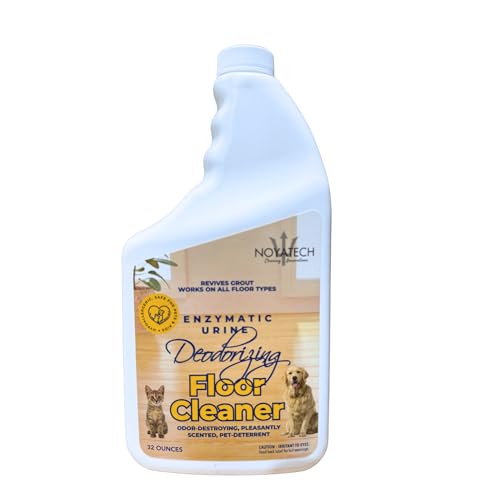
- Enzymatic pet urine cleaner for laminate floors
- Microfiber mop with laminate floor cleaning solution for pet urine stain
- Pet urine odor remover spray for laminate floors
- Clean cloths or paper towels
- Non-abrasive scrub pad (optional for set-in stains)
- Protective gloves


Before You Start
Prepare by ensuring the area is free of loose debris and that the laminate’s finish is intact. Blot up excess liquid immediately with a clean cloth to minimize penetration into seams. Test cleaners in a small, inconspicuous corner first to verify there’s no dulling or swelling. Work from the edge of the stain toward the center to prevent spreading. Time estimate: 15–30 minutes for fresh spills; 30–60 minutes for older stains that have dried.
Step-By-Step: How To Clean Dog Urine From Laminate Floors
- Blot up as much liquid as possible with a clean cloth, pressing gently without rubbing to avoid embedding the stain into the seam lines.
- Spray an enzymatic pet urine cleaner on the affected area, enough to lightly dampen the surface. Allow the cleaner to sit per the product instructions to break down uric acid and organic residue.
- Wipe with a clean microfiber cloth, moving in the direction of the grain. If any odor remains, repeat the enzymatic treatment in the same spot.
- Apply a laminate-safe cleaning solution on a fresh microfiber pad or mop head. Follow the product’s directions for dilution and contact time, ensuring the floor remains damp but not soaking wet.
- Rinse the area with a damp microfiber pad if the cleaner requires it, then dry thoroughly with a separate dry cloth or towel to prevent moisture from seeping into seams.
- Use a pet urine odor remover spray for laminate floors on the perimeter of the treated area to neutralize lingering smells that might attract the pet back to the same spot.
- Allow the floor to air-dry completely. If the smell recurs, repeat the enzymatic cleaner and odor remover process after ensuring the area is clean and dry.
- Inspect adjacent planks for any sign of swelling or staining. If discoloration appears, consider a laminate-specific touch-up product or consult the manufacturer guidelines.
- Prevent future incidents by setting a routine cleaning schedule and using a dedicated pet mat in high-traffic areas near the pet’s typical spots.
- Store cleaners sealed and out of reach of pets to avoid accidental exposure.
Troubleshooting
| Symptom | Likely Cause | Fix | Prevention |
|---|---|---|---|
| Persistent odor after cleaning | Insufficient enzymatic action or old urine | Re-apply enzymatic cleaner and allow longer dwell time | Address accidents promptly; use odor remover spray after cleaning |
| Streaks or dull spots | Over-wetting the laminate or using the wrong cleaner | Dry thoroughly; switch to a laminate-safe cleaner | Test cleaners first; use minimal moisture |
| Peeling or warping nearby seams | Excess moisture seeping into seams | Limit moisture; ensure areas are dried completely | Use damp, not soaking, methods |
| Stains reappearing after a few days | Residual urine that wasn’t fully cleaned | Repeat enzymatic cleaning and odor removal | Address promptly and clean thoroughly |
Common Mistakes
- Using abrasive pads that scratch laminate surfaces
- Applying too much water, which can seep into seams
- Choosing generic cleaners not designed for laminate or pet urine
- Rubbing vigorously, which can spread stains or dull the finish
- Neglecting to neutralize odors, inviting repeat accidents
Tips For Best Results
- Act quickly: Blot and treat while urine is still fresh for the best results.
- Use enzymes first: Enzymatic cleaners target organic residues effectively on laminate.
- Follow with a laminate-safe cleaner: After enzymatic treatment, use a recommended laminate floor cleaner to finish.
- Rinse and dry: Proper drying reduces the chance of water damage and odor re-emergence.
- Maintain a cleaning routine: Regular cleaning of pet areas helps prevent buildup and lingering smells.
Call A Professional
Contact a professional if you notice persistent staining, discoloration, or warping after multiple cleanings. If a spill has reached the subfloor or caused noticeable swelling in laminate planks, professional assessment may be necessary to prevent long-term damage.
FAQ
Can I use a regular carpet cleaner on laminate floors?
It is better to use cleaners specifically formulated for laminate to avoid damage or residue buildup.
How often should I deep-clean laminate floors with pet urine?
Perform a thorough cleaning when accidents occur and periodically as part of routine maintenance, especially in homes with dogs that mark or sniff around frequently.
Is it safe to mix cleaners?
Avoid mixing cleaners; follow each product’s instructions and use one cleaner at a time.
What if the odor returns after cleaning?
Re-treat with an enzymatic cleaner and odor remover spray, and ensure the area is completely dry before reuse.
Should I replace laminate boards after urine exposure?
Only if there is visible swelling, warping, or persistent stains that compromise the surface or structural integrity.
Can dogs recover their scent from cleaned spots?
If odors remain, dogs may be drawn back; using odor-remover products helps reduce pheromone signals.
Are there risk-free outlet options for homes with pets and laminate?
Yes—choose enzyme-based cleaners and laminate-safe solutions that are specifically labeled for pet urine care.
Buying Guide
Choosing the right products for cleaning dog urine from laminate floors involves evaluating several factors. Consider the size of the area to cover, the typical durability of the finish, and how frequently accidents occur. Look for enzyme-based cleaners designed for pet urine because they address organic residues at the source. A dedicated odor remover spray helps neutralize pheromones that may trigger repeat incidents. For daily cleaning, select a microfiber mop with a laminate-specific cleaning solution to avoid streaks and over-wetting. Finally, verify that all products are safe for your laminate’s finish and washability.
When comparing options, ask these questions: Is the enzyme cleaner proven effective on laminate? Does the odor remover work on pet-specific odors? Can the microfiber system handle daily maintenance without leaving residue? Is the product safe for pets and humans after drying? Are the items compatible with your floor’s sealant or topcoat?
Placement matters too: keep cleaning supplies out of reach of pets, and store them in a cool, dry area. For high-traffic rooms, consider a mat or barrier to reduce accidents. If you own an upstairs area with radiant heating or sensitive subfloors, test cleaners on a small patch first and monitor the floor for changes over the next 24–48 hours.
Leave a Reply