How to Clean a Wet Mattress Safely and Effectively
Water damage and accidents can leave a mattress damp and smelly if not treated promptly. This guide provides practical, step-by-step methods using common cleaning tools to restore a mattress to a clean, comfortable state. The approach focuses on extraction, sanitization, and thorough drying to minimize mold risk.
Quick Answer
Act quickly: remove moisture with an extractor or wet/dry vacuum, blot excess liquid, treat stains with an upholstery cleaner, and use heat or airflow to fully dry the mattress. Disinfect and deodorize, then ensure the mattress is completely dry before cover insertion.
What You’ll Need
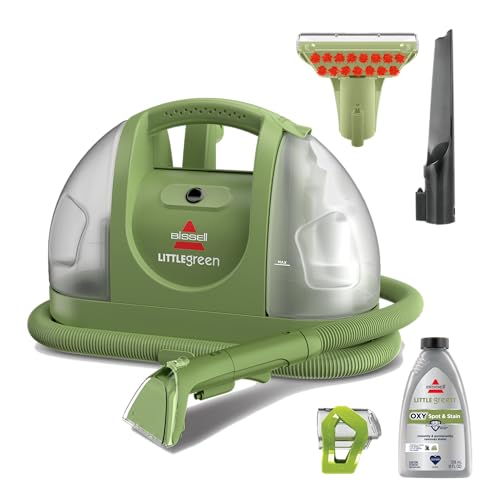
- Carpet extractor machine for mattress cleaning
- Wet dry vacuum for water damage mattress cleaning
- Upholstery steam cleaner for mattress stain removal

Before You Start
Before beginning, inspect the mattress for signs of mold or persistent odor. Do not use the mattress if there is any visible mold growth. Protect yourself with gloves and a mask when dealing with bodily fluids or strong odors. Choose an evenly spaced drying plan to prevent damp pockets. Time estimates range from 2 to 6 hours depending on airflow, humidity, and ventilation.
Critical cautions: avoid soaking the mattress deeply if you cannot rapidly remove moisture; excessive moisture can promote mold growth. Ensure the room is well ventilated and use fans or a dehumidifier to accelerate drying.
Step-By-Step: How To Clean A Wet Mattress
- Remove all bedding and lift the mattress off the frame to allow air to circulate on all sides.
- Blot with a clean towel to absorb as much surface moisture as possible, applying firm, even pressure without rubbing to minimize fiber damage.
- Use a carpet extractor machine for mattress cleaning to extract embedded moisture and begin the cleaning process on any soiled areas.
- Apply a light spray of an upholstery cleaner suitable for fabric and lightly work into stains with a soft brush or cloth.
- For persistent odors or stains, use the upholstery steam cleaner to treat the affected zones, following the device’s safety guidelines.
- Continue extraction after cleaning to remove loosened dirt and cleaner residues, returning to damp areas to ensure final drainage.
- Position fans on each side of the mattress and run a dehumidifier to maximize air movement and moisture removal.
- Check daily for dryness; flip and rotate the mattress if possible to promote even drying and prevent odor buildup.
Troubleshooting
| Symptom | Likely Cause | Fix | Prevention |
|---|---|---|---|
| Persistent musty smell | Insufficient drying | Increase airflow, use dehumidifier, re-check moisture | Dry thoroughly before reusing; shower and air out regularly |
| Visible mold growth | Prolonged moisture exposure | Consult a professional if growth is extensive | Prompt cleanup and drying, monitor humidity |
| Stains reappearing after cleaning | Deep-set stains or cleaner residue | Apply stain remover again and rinse; use steam cautiously | Pre-treat with appropriate stain removers |
| Excess moisture after extraction | Extractor not reaching saturated zones | Re-run extraction in affected areas | Work in layered passes to remove moisture |
Common Mistakes
- Over-wetting the mattress during cleaning, which slows drying
- Rubbing stains aggressively, pushing them deeper into fibers
- Neglecting to dry the underside and edges, creating damp pockets
- Using incompatible cleaners that leave residues or odors
Tips For Best Results
– Use a combination of extraction, cleaning, and drying tools to maximize moisture removal.
– Target both surface areas and edges to prevent damp pockets and odors.
– Place the mattress in a well-ventilated area or outdoors on a dry, flat surface in good weather if possible.
– Test cleaners on a small, inconspicuous area to avoid damage or discoloration.
– Consider using a breathable mattress protector after cleaning to simplify future maintenance.
Call A Professional
Stop and seek professional help if any of the following apply: mold growth is evident beyond localized areas, odors persist after multiple cleaning attempts, or the mattress remains damp for more than 24–48 hours. A professional can offer advanced cleaning methods and sanitization.
FAQ
What home tools work best for cleaning a wet mattress?
Extraction devices, like carpet extractors or wet/dry vacuums, paired with an upholstery cleaner and a steam cleaner, provide a comprehensive approach.
How long does it take a mattress to dry after cleaning?
Drying times vary with humidity and airflow but typically range from 4 to 12 hours; complete dryness should be confirmed before use.
Can I clean a wet mattress without taking it off the bed frame?
It’s possible for minor dampness, but removing the mattress provides better access to all surfaces and edges for thorough drying.
Is it safe to use steam on a mattress?
Steam can help with stain removal but should be used cautiously to avoid overwetting; always follow device guidelines and test a small area first.
Buying Guide
When choosing tools for cleaning a wet mattress, consider size, performance, and compatibility with fabrics. A carpet extractor machine for mattress cleaning is effective for embedded moisture, while a wet dry vacuum for water damage mattress cleaning quickly removes surface liquids. An upholstery steam cleaner for mattress stain removal adds a deep-cleaning option but requires careful use to avoid over-wetting.
Key buying factors include:
- Size and portability: A compact extractor with strong suction is easier to maneuver around a bed.
- Power and suction: Higher suction speeds extract more moisture, reducing drying time.
- Heat and steam capabilities: Steam helps with stain removal but ensure fabric-safe settings.
- Noise level: Quieter models reduce disruption in bedrooms and living spaces.
- Energy efficiency: Look for energy-efficient motors and components to minimize running costs.
- Ease of cleaning and maintenance: Removable parts and simple cleaning routines save time.
- Placement considerations: Choose tools that fit the space where the mattress is stored or commonly used.
For best results, align the product capabilities with your cleaning needs: embedded moisture, odors, or stubborn stains. If temporary moisture control is a priority, a compact extractor paired with a cleaning solution typically suffices for most residential scenarios.
Leave a Reply