How to Clean Construction Dust With HEPA Vacuums
Construction dust can linger in workspaces and homes, posing respiratory and cleanup challenges. Using a dedicated HEPA-equipped vacuum system helps capture microscopic particles and reduce secondary dust exposure. This guide explains practical, step-by-step methods for safely and effectively cleaning construction dust.
Quick Answer
For most projects, use a HEPA-equipped wet/dry vacuum designed for construction dust, follow proper containment practices, work in stages, and seal off the area when possible. Always wear a respirator and eye protection when dust is present or when sanding drywall.
What You’ll Need
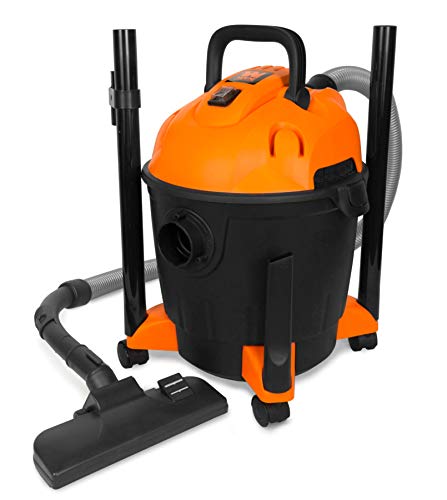
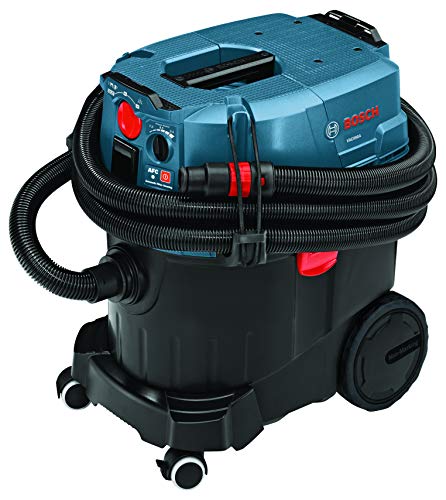
- 5 gallon shop vac HEPA drywall dust vacuum or HEPA filter wet dry vacuum for construction dust
- Replacement HEPA filter compatible with your vacuum
- Dust mask or respirator, eye protection
- Drop cloths or plastic sheeting to seal off the work area
- Extendable wand and cleaning attachments for tight spaces
- Wet cleanup supplies (optional) for damp dusting after vacuuming
Before You Start
Plan the cleanup in stages to minimize re-suspension of dust. Turn off and unplug power tools when transitioning between tasks. Seal doors and create a contained work zone with plastic sheeting to prevent dust migration to other areas. Schedule ventilation to minimize dust spreading, using dedicated exhaust if possible. Safety notes include wearing a respirator rated for asbestos-free dust and protecting eyes and skin. Time estimates vary by space size and debris but anticipate several hours for a typical room.
Step-By-Step: How To Clean Construction Dust With HEPA Vacuums
- Prepare the area by sealing off adjacent rooms with plastic sheeting and laying down drop cloths to catch dust.
- Inspect the vacuum and replace a worn or clogged HEPA filter to maximize particle capture.
- Remove bulky debris manually, using a broom or paper towels, to prevent clogging the vacuum.
- Attach the appropriate wand and nozzle for floors, walls, and tight corners, starting with hard surfaces.
- Vacuum slowly in straight lines, overlapping passes to maximize dust pickup on all surfaces.
- For drywall dust, use a softer brush attachment to agitate dust before suction, then follow with a firm pass.
- Move between rooms methodically, keeping doors closed and using temporary air barriers as needed.
- After the main pass, perform a damp wipe on high-dust surfaces to catch fine particles left behind.
- Empty the vacuum canister outside or in a dedicated waste area using a sealed bag to prevent dust escape.
- Replace the HEPA filter again if it shows heavy loading or after a lengthy cleanup session.
- Do a final pass of the entire area to ensure surfaces are as dust-free as possible before finishing.
- Dispose of contamination materials according to local guidelines and wash hands and exposed skin after cleanup.
Troubleshooting
| Symptom | Likely Cause | Fix | Prevention |
|---|---|---|---|
| Vacuum loses suction | Clogged nozzle or full collection bag | Clear the nozzle, empty canister, and check seals | Use a pre-filter or limit fine dust in initial passes |
| HEPA filter visible dust leakage | Damaged filter or improper seal | Replace filter and reseal housing | Inspect seals and replace worn gaskets |
| Dust escapes into room | Inadequate containment or leaks in plastic sheeting | Re-seal containment and check for gaps | Ventilate with minimal air movement away from clean zones |
| Vacuum motor overheating | Excessive loading or blocked intake | Pause, clear blockages, and let it cool | Clean filters regularly and don’t overfill |
Common Mistakes
- Using non-HEPA tools on fine drywall dust—particles re-enter the air easily
- Neglecting area containment—dust migrates to living spaces
- Skipping filter maintenance—reduced suction and poor filtration
- Over-wetting dusty surfaces, which can create mud and spread mess
Tips For Best Results
- Operate the vacuum at a steady, slow pace to maximize contact with surfaces
- Use a combination of dry vacuuming and damp wiping for comprehensive cleanup
- Label and store replacement filters in a dust-free location for quick access
- Schedule periodic pauses to inspect seals and ensure containment remains intact
- Take breaks to prevent fatigue and maintain consistent technique
Call A Professional
Call a professional if you encounter persistent clogged ducts, unusual odors, suspect visible asbestos-containing materials, or if ventilation cannot be safely controlled. Stop immediately if there is any sign of respiratory irritation that persists after cleaning, or if you are unsure about the presence of hazardous materials. When in doubt, consult a licensed contractor or indoor air quality expert.
FAQ
What is the best vacuum for construction dust?
A HEPA-equipped wet/dry vacuum designed for construction dust is best, especially models with drywall sanding or drywall dust vacuum capabilities.
How often should I replace the HEPA filter?
Replace when the filter shows heavy loading, seal damage, or after extended use in dusty environments.
Can I vacuum before sealing the area?
Yes, but sealing the area reduces cross-floor dust spread and improves cleanup efficiency.
Is it safe to reuse water from damp mopping with a vacuum nearby?
Avoid combining wet cleaning with dry dust pickup in the same pass to prevent clogging and reduced suction.
What about asbestos or lead paint dust?
Do not handle or clean suspected hazardous dust without professional guidance and proper protective equipment.
Buying Guide
When choosing a vacuum system for construction dust, consider size, noise level, energy efficiency, controls, and placement. For large spaces or multiple rooms, a 5 gallon shop vac HEPA drywall dust vacuum with accessible replacement filters and sturdy hoses can simplify cleanup. Look for models with dedicated attachments for drywall and concrete, as well as an efficient filtration system. Noise levels matter for comfort in shared spaces, so check decibel ratings. Energy efficiency helps with long cleaning sessions. Controls should be intuitive, with straightforward on/off andfloat shutoff features. Place the unit on a stable surface away from high-traffic areas and corner walls to maximize suction while minimizing tip-overs. Compare models for filter compatibility, ease of bag replacement, and the availability of accessories such as extension wands and angled nozzles.
Leave a Reply