How to Clean Alloy Wheels With WD-40: A Practical Guide
Alloy wheels add style to any vehicle, but maintaining their shine requires the right approach. WD-40 can play a role in breaking down grime and protecting wheel finishes when used properly. This guide walks American readers through safe steps to clean alloy wheels effectively while minimizing the risk of damage.
Following best practices helps prevent staining, corrosion, or dulling of finishes. The method below uses common detailing tools and specifically recommends compatible cleaners and applicators to maximize results.
Quick Answer
WD-40 can help loosen brake dust and grime, but it should be followed by a dedicated wheel cleaner and thorough rinsing. Use soft brushes, microfiber towels, and a gentle touch to protect the finish. Always test a small area first and avoid harsh solvents on painted or coated rims.
What You’ll Need
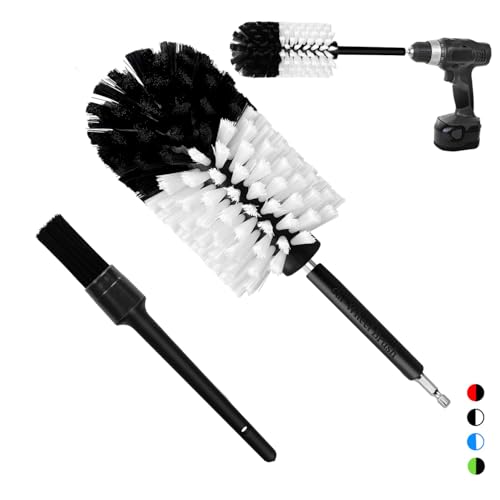
- 2-in-1 alloy wheel cleaning brush kit with soft nylon bristles
- microfiber wheel cleaning towel set for alloy wheels 16×16 inches
- drill brush attachment set for wheel cleaning alloy wheels


Before You Start
Prepare a shaded work area and gather all tools before beginning. Rinse wheels to remove loose dust, then apply WD-40 to loosen stubborn grime. If the wheel has visible corrosion or chipping paint, proceed with extra caution. Avoid letting WD-40 sit on hot wheels or exposed brake components. Plan for a 20–40 minute cleaning session per wheel, depending on grime level.
Step-By-Step: How To Clean Alloy Wheels With WD-40
- Rinse the wheel thoroughly to remove loose dust and brake dust.
- Spray a light layer of WD-40 onto the wheel surface, focusing on areas with caked grime.
- Let the product sit for 30–60 seconds to soften grime, then begin agitation with the 2-in-1 alloy wheel cleaning brush kit.
- Use the drill brush attachment set for stubborn spots, working in small circular motions until grit loosens.
- Rinse again to wash away loosened debris and WD-40 residue.
- Apply a dedicated wheel cleaner (if recommended by the wheel manufacturer), and agitate with the nylon bristle brushes to lift embedded dirt.
- Rinse thoroughly and inspect for any remaining grime; repeat targeted cleaning if necessary.
- Dry with the microfiber towel set to prevent water spots and ensure a pristine finish.
- Finish with a light protective coating or sealant if desired, following product instructions.
- Store brushes and towels clean and dry for next use to prolong their life and maintain performance.
Troubleshooting
| Symptom | Likely Cause | Fix | Prevention |
|---|---|---|---|
| Streaks or dull spots after cleaning | Residue left from cleaners or WD-40 | Rinse thoroughly and re-clean with a mild wheel cleaner | Rinse with clean water and dry promptly |
| Scratches on finish | Using hard bristles or abrasive cleaners | Switch to soft nylon brushes; avoid abrasive compounds | Test on hidden area first |
| Brake dust returns quickly | Improper sealant or cleaning routine | Reapply wheel sealant or cleaner designed for alloy wheels | Clean wheels regularly to prevent buildup</ |
| Rim discoloration after WD-40 | WD-40 left on painted surfaces | Rinse thoroughly and use wheel-safe products | Limit WD-40 exposure to necessary areas |
Common Mistakes
- Using aggressive metal brushes that scratch alloy finishes
- Applying WD-40 directly on areas with delicate coatings without testing
- Not rinsing thoroughly, leaving residue that dulls shine
- Neglecting to dry wheels completely, causing water spots or corrosion over time
Tips For Best Results
- Work in the shade to prevent rapid drying of cleaners and WD-40, which can leave marks.
- Use a two-step approach: break grime with WD-40, then follow with a dedicated wheel cleaner.
- Choose microfiber towels with a plush surface for maximum absorption and minimal scratching.
- Rotate brushes to keep bristles in good condition and maintain cleaning effectiveness.
- Rinse between steps to avoid distributing cleaner across the wheel face.
Call A Professional
Seek professional help if the wheel has deep gouges, severe corrosion, or if coatings are peeling. Stop cleaning and consult a wheel specialist if metal exposure or structural damage is suspected. For high-performance or luxury wheels, professional detailing can preserve finish and resale value.
FAQ
Can WD-40 damage painted alloy wheels?
WD-40 is generally safe when used as directed, but it should not linger on painted surfaces. Rinse thoroughly and follow with a wheel-safe cleaner.
Is WD-40 necessary for cleaning alloy wheels?
No. It can help loosen grime, but a dedicated wheel cleaner paired with soft brushes is typically sufficient.
How often should I clean alloy wheels?
Clean wheels whenever brake dust and grime buildup is visible, with a deeper cleaning every few weeks for heavily used vehicles.
What tools are best for cleaning alloy wheels?
Soft nylon-bristle brushes, microfiber towels, and a drill brush attachment set for stubborn areas are effective tools.
Should I seal or wax wheels after cleaning?
Yes, applying a wheel sealant or wax can improve repel dust and make future cleaning easier.
Is the drill brush safe on all wheel types?
It is safe on many alloy wheels when used with light pressure and appropriate bristle softness; avoid aggressive use on delicate or curved rims.
Buying Guide
When choosing wheel-cleaning gear, consider size, noise level, energy efficiency, controls, and placement. For cleaning alloy wheels, a balanced kit offers versatility, ease of use, and gentle yet effective cleaning power.
Key buying factors include:
- Size and reach: Full-size brushes reach inner barrel areas; compact tools fit between spokes smoothly.
- Brush material: Soft nylon bristles prevent scratching; avoid stiff or metal bristles.
- Absorbent towels: Large microfiber towels (like 16×16 inches) trap grime without shedding.
- Power tools: Drill brush attachments provide extra agitation for stubborn grime but require careful use to avoid damage.
- Compatibility: Tools should work with common drill models and come with replaceable heads or bristles.
- Storage: Durable, organized storage keeps tools ready and reduces wear.
Do you prefer a simple, hand-cleaning routine or a more robust setup with drill-assisted cleaning? A flexible kit that includes all three core tools often offers the best value for frequent wheel detailing. Always follow product instructions and test on a small area first to ensure compatibility with your wheel finish.
Leave a Reply