How to Clean Chukka Boots
Chukka boots blend casual style with sturdy construction, making proper cleaning essential to extend their life. This guide covers practical steps for cleaning common boot materials, including suede, nubuck, and leather, using readily available care kits and supplies.
Quick Answer
Choose a material-specific approach: use a suede or nubuck cleaning kit for suede/nubuck chukkas, and a leather boot cleaning kit for smooth leather. Gently brush away dirt, treat stains promptly, and condition leather periodically to maintain suppleness.
What You’ll Need
- suede nubuck cleaning kit for boots with brush, eraser, and microfiber cloth
- leather boot cleaning kit with conditioner spray and brush
- boot care kit microfiber cloth and brush set for chukka boots


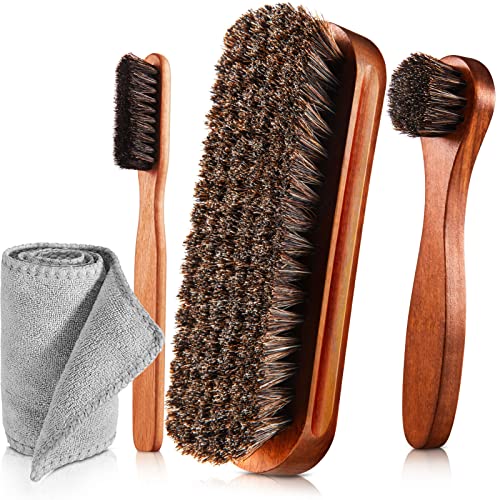
Before You Start
Clear a work area and remove laces to access all surfaces. Test cleaners on a hidden area before full application. Allow boots to dry completely between steps, and avoid direct heat. Never soak leather boots; excessive moisture can damage the material. Plan about 20–45 minutes per cleaning session, depending on boot material and condition.
Step-By-Step: How To Clean Chukka Boots
- Remove laces and loosely brush away surface dirt with the included brush.
- For leather: spray a small amount of leather cleaner onto a microfiber cloth and wipe in gentle circular motions.
- For suede/nubuck: use the suede nubuck cleaning kit brush to lift dirt, then rub with the eraser on stubborn marks.
- Wipe away cleaner residue with a clean microfiber cloth; avoid saturating the material.
- Dry the boots at room temperature away from heat sources; stuffing with paper helps retain shape.
- Condition leather once fully dry using the conditioner spray, applying evenly and allowing it to absorb.
- Reattach or replace laces; if desired, apply a protective spray suitable for the boot material.
- Store in a cool, dry place with good air circulation to prevent mold and odor buildup.
Troubleshooting
| Symptom | Likely Cause | Fix | Prevention |
|---|---|---|---|
| Water spots on leather | Moisture exposure | Blot with a clean cloth and condition after drying | Apply waterproofing spray; dry promptly after cleaning |
| Stains that don’t lift | Deep-set marks | Repeat gentle cleaning step; use stain-specific treatment if available | Address stains early; avoid aggressive scrubbing |
| Fading color on suede | Over-cleaning or harsh products | Switch to a milder cleaner; re-nub and brush evenly | Use material-approved products; test first |
| Sticky residue after cleaning | Excess cleaner | Wipe with a clean cloth until residue is gone | Use minimal product; follow product directions |
Common Mistakes
- Using the wrong cleaner for leather or suede
- Over-wetting the boots during cleaning
- Skipping drying time, leading to odor or mold
- Neglecting to condition leather after cleaning
Tips For Best Results
- Brush dirt off regularly to prevent deep staining.
- Apply conditioners evenly; avoid pooling on seams.
- Use color-specific suede protectors to preserve appearance.
- Store boots with cedar or moisture-absorbing sachets to maintain freshness.
Call A Professional
Consider a pro if boots have extensive water damage, deep staining, or delicate materials that need specialized care. Seek professional cleaning if repairs or restoration seem required, such as sole or stitching issues. If you notice persistent odor after cleaning, a professional assessment may help diagnose mold or structural concerns.
FAQ
Can I clean suede chukka boots with water?
Water can damage suede; use a suede-safe cleaner and light brushing instead of soaking.
How often should I condition leather chukka boots?
Condition leather every 3–6 months, depending on wear and climate.
Is the cleaning kit necessary for all materials?
A kit tailored to your boot material provides the safest and most effective care.
Can I air-dry boots near a heater?
Avoid direct heat; air-dry at room temperature to prevent cracking.
Buying Guide
Choosing the right cleaning setup for chukka boots depends on material and upkeep goals. Consider the following factors to optimize performance and longevity.
Size and Fit
Select a compact kit that fits your usual boot care routine and storage space. For multiple pair ownership, consider a larger kit with interchangeable components.
Noise Level
Most boot-cleaning tools operate quietly; select kits with soft brushes and non-abrasive erasers to minimize noise during use.
Energy Efficiency
Manual brushes and microfiber cloths require no electricity. If choosing powered components, look for energy-efficient options with long-lasting batteries.
Controls and Ease Of Use
Prefer kits with clearly labeled steps, gentle brushes, and residue-free cleaners to avoid over-application or damage.
Placement And Storage
Store cleaning kits in a cool, dry place away from direct sunlight. A dedicated bin or drawer helps keep brushes in good condition and ready for use.
Material Compatibility
Ensure the kit includes products suitable for suede, nubuck, and leather. Mixing products can risk color fading or material damage.
Durability And Value
Invest in a kit with sturdy brushes, quality cloths, and reliable cleaners. A well-made set often lasts longer and provides better results across multiple uses.
Leave a Reply