How to Clean a Hibachi Grill: A Clear, Safe, and Efficient Guide
Hibachi grills offer high-heat cooking and a distinctive sear, but they demand regular maintenance to keep flavors pure and grill surfaces pristine. This guide walks through practical steps to clean a hibachi grill safely, efficiently, and with materials that preserve your equipment’s longevity. Readers will learn best practices for both cast iron and stainless steel hibachi setups, along with easy touch-up routines between cooks.
Quick Answer
For a fast, effective cleanup, heat the grill briefly to burn off excess residue, then scrub with the right tools, followed by a targeted degreaser for stubborn buildup. After cleaning, reseason cast iron grates and store the grill in a dry place to prevent rust.
What You’ll Need
- Stainless steel grill brush with scraper for hibachi grill
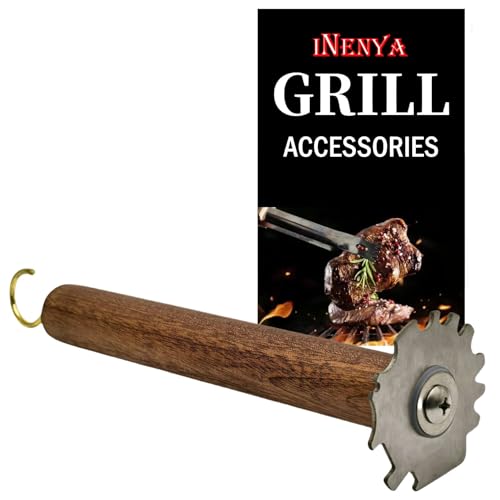
- Cast iron grill grate cleaner scraper with wooden handle
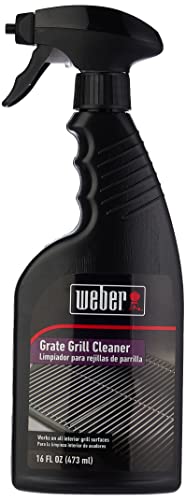
- Food-grade grill degreaser spray for cast iron hibachi grill 16 oz
- Protective gloves and eye protection
- Clean cloths or paper towels
- Warm water and mild dish soap

Before You Start
Before cleaning, ensure the grill is completely cooled to avoid burns. If you plan to use the grill again the same day, cleaning during a short downtime helps prevent flare-ups. Safety notes: always wear gloves and eye protection when using degreasers, and never mix cleaning chemicals with grill grease in a Closed environment. For cast iron components, avoid harsh soaps that can strip seasoning; for stainless steel, steer clear of acidic cleaners that may dull the surface.
Time estimate: 20–40 minutes for a thorough clean of typical hibachi equipment. If the grill is heavily seasoned or has stubborn buildup, allocate extra time for Scrubbing and degreasing. Critical cautions are do not use abrasive materials on nonstick surfaces, and do not leave damp cast iron exposed to air to prevent rust.
Step-By-Step: How To Clean A Hibachi Grill
- Disconnect and cool: If the grill is gas-powered, turn off the gas and disconnect the propane line. Ensure the grill is cool before starting, then remove grates and any removable accessories.
- Remove loose debris: Use a dry brush or cloth to sweep away loose ash, charcoal, or food particles from the interior and exterior surfaces.
- Burn-off and wipe: Light heat for 5–10 minutes to burn off residual oils, then turn off heat and wait a moment before wiping with a damp cloth to remove char and grease.
- Scrape with purpose: For cast iron grates, use the cast iron grill grate cleaner scraper with wooden handle to lift stuck-on residue gently. For stainless steel, a stainless steel grill brush with scraper can help remove surface buildup without scratching.
- Degrease the surface: Apply a food-grade grill degreaser spray for cast iron hibachi grill to the grates and interior surfaces. Let it sit for a few minutes, then scrub with the appropriate brush until clean.
- Rinse lightly: Wipe down with a cloth dampened in warm soapy water to remove cleaner residues. Rinse with a clean, damp cloth to ensure no soap remains.
- Dry and inspect: Thoroughly dry all parts with a clean towel. Check for rust spots on cast iron and address them immediately with a light coat of oil before storing.
- Re-season cast iron components: Apply a thin layer of high-smoke-point oil (like flaxseed or canola) to cast iron grates. Wipe away excess and heat the grill briefly to polymerize the oil, then let it cool.
- Reassemble and test: Return the grates and accessories to the grill. Light the grill to ensure proper operation and to evaporate any remaining moisture from cleaning.
- Regular maintenance routine: After each cook, perform a light wipe-down to remove surface grease, followed by a deeper clean after several uses, depending on cooking frequency.
- Store properly: If possible, store the hibachi grill in a dry, sheltered area. Cover it with a breathable grill cover to protect from dust and moisture.
Troubleshooting
| Symptom | Likely Cause | Fix | Prevention |
|---|---|---|---|
| Persistent burnt-on residue | Grease buildup | Apply degreaser and scrub with grill scraper; re-season | Clean after every use |
| Rust on cast iron | Moisture exposure | Scrub rust, reseason, and oil lightly after drying | Keep dry; store with cover |
| Streaks or discoloration on steel | Harsh cleaners or abrasive use | Switch to non-abrasive brushes; rinse thoroughly | Use gentler cleaners; test on small area |
| Unpleasant odor after cleaning | Residual oil or food particles | Repeat wipe-down and burn-off | Clean promptly after cooking |
Common Mistakes
- Using excessive water on cast iron, which can promote rust.
- Scrubbing cast iron with harsh abrasives that remove seasoning.
- Overlooking interior surfaces where fat drips accumulate.
- Neglecting to reseason cast iron after cleaning.
- Using incompatible cleaners that accelerate corrosion.
Tips For Best Results
- Keep a small routine: wipe the grates between cooks to prevent heavy buildup.
- Choose the right tool: use the dedicated scraper for cast iron and a stainless steel brush for metal surfaces.
- During heavy usage, degrease every few cooks to maintain flavor integrity and grill hygiene.
- Apply a light oil coating after cleaning to protect cast iron from moisture.
- Store in a dry, ventilated area to minimize rust and corrosion risks.
Call A Professional
Consider professional help if you notice severe rust that penetrates the metal, persistent gas leaks, or damage to the grill’s structural components. If you lack proper tools or confidence to safely restore a heavily soiled hibachi grill, seek a technician or the manufacturer’s service line for guidance.
FAQ
What is the best cleaner for hibachi grill surfaces?
Use a food-grade grill degreaser spray designed for cast iron hibachi grills, followed by thorough rinsing and drying.
Can I use soap on cast iron hibachi grates?
Minimal soap is acceptable if quickly rinsed, but prefer warm water and a mild cleaner to preserve seasoning.
How should I reseason cast iron after cleaning?
Apply a thin oil layer and heat the grill to polymerize the oil, then cool before use.
Is it necessary to remove all grease before storage?
Yes, removing grease minimizes fire risk and helps prevent rust while stored.
How often should I deep-clean a hibachi grill?
Deep-clean every few uses, or when buildup is noticeable; routinely wipe down after cooking for best results.
Buying Guide
When choosing cleaning tools and products for a hibachi grill, consider size, material compatibility, and ease of use. A dedicated grill brush with scraper is essential for scraping stubborn residue. For cast iron grills, a scraper with a wooden handle helps protect the surface while providing leverage. A food-grade grill degreaser spray specifically designed for cast iron hibachi grills ensures safe cleaning without stripping seasoning. Look for items that are durable, heat-resistant, and easy to store alongside your grill.
Key buying factors include:
- Size and compatibility: Ensure brushes and scrapers fit your grill’s grates without causing damage.
- Material safety: Choose food-grade degreasers and non-abrasive brushes to protect seasoning and finishes.
- Ease of use: Wooden-handled tools and ergonomic grips reduce fatigue during cleaning.
- Storage considerations: Tools that pack neatly with the grill keep a tidy prep area.
- <bMaintenance cost: Reusable tools with replaceable heads can lower long-term costs.
If you cook frequently on a hibachi grill, investing in a reliable cleaning kit with the mentioned items can simplify routine maintenance and extend the life of your grill. Consider pairing a degreaser with a dedicated scraper set to streamline the process and keep surfaces pristine for next-use flavor clarity.
Leave a Reply