How to Clean Chalk Markers From Chalkboards Effectively
Chalk markers offer vibrant colors on chalkboards, but their residue can smear and cling if not cleaned properly. This guide outlines practical, safe methods using common supplies to restore a clean, ready-for-use surface. Readers will learn step-by-step techniques, common pitfalls, and how to maintain a pristine chalkboard over time.
Quick Answer
For quick, reliable cleaning, wipe the surface with a microfiber chalkboard eraser cloth for cleaning, then spray a dedicated chalkboard cleaner spray bottle alcohol-based solution and wipe again. For stubborn marks, use isopropyl rubbing alcohol 70% on a cloth, then rinse with water and dry fully.
What You’ll Need
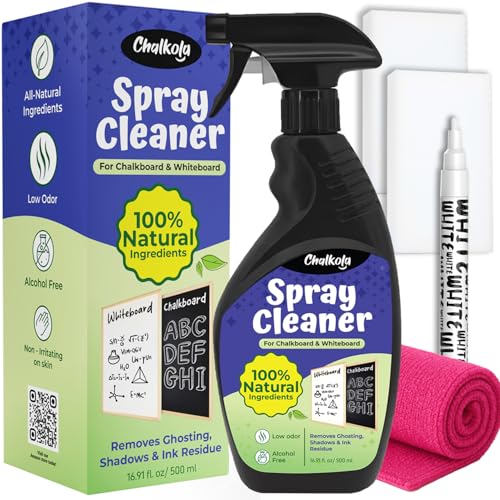
- Microfiber chalkboard eraser cloth for cleaning
- Chalkboard cleaner spray bottle alcohol-based
- Isopropyl rubbing alcohol 70% (whiteboard cleaner option)
- Soft, lint-free cloths
- Water in a spray bottle (for rinsing)
- Protective gloves (optional)


Before You Start
Clear the area and remove loose dust with a dry cloth. Work in a well-ventilated space when using alcohol-based cleaners to avoid inhaling fumes. Test cleaner on a small, inconspicuous area of the chalkboard first to ensure no surface damage. Time estimate: 10–20 minutes for a full cleaning. Important: avoid abrasive pads that could scratch the chalkboard surface.
Step-By-Step: How To Clean Chalk Markers From Chalkboards
- Wipe loose chalk dust with the microfiber chalkboard eraser cloth for cleaning to create a clean base.
- Spray a light mist of chalkboard cleaner spray bottle alcohol-based onto the surface. Do not oversaturate.
- Wipe in a consistent direction with a clean microfiber cloth to lift color and residue.
- For stubborn marks, dampen a cloth with isopropyl rubbing alcohol 70% and gently rub the affected area.
- Rinse the board with a small amount of water, then wipe away any remaining cleaner and alcohol with a dry cloth.
- Dry the board completely with a fresh, dry microfiber cloth to prevent streaks.
- Repeat for any remaining sections, focusing on corners and edges where ink tends to linger.
- Condition the surface after drying by a light pass with the eraser cloth to restore uniformity.
- Re-check the surface in natural light to confirm the absence of ghosting before re‑writing.
- Store cleaning materials safely and keep cleaners out of reach of children when not in use.
Troubleshooting
| Symptom | Likely Cause | Fix | Prevention |
|---|---|---|---|
| Streaks or ghosting after cleaning | Residual ink or overly damp cloth | Wipe with a dry microfiber cloth, repeat with light pressure | Use minimal cleaner each pass and wipe dry |
| Color transfer when writing new chalk | Dirty surface or incomplete drying | Thoroughly dry with clean cloth; re-clean if needed | Ensure board is dry before writing |
| Discoloration or dull finish | Harsh cleaners or prolonged exposure | Switch to milder cleaner and test on a corner | Avoid abrasive tools and harsh chemicals |
| Sticky residue after cleaning | Excess cleaner or wax buildup | Rinse with water and dry completely | Use sparing amounts of cleaner |
Common Mistakes
- Using abrasive pads that scratch the chalkboard surface
- Over-wetting the board, which can cause ghosting
- Ignoring the test patch before full cleaning
- Relying on a single cleaner for all ink types
Tips For Best Results
- Clean chalkboards routinely to prevent heavy buildup and ghosting.
- Pair microfiber cloths with alcohol-based cleaners for best results.
- Label cleaned sections to track which areas have been refreshed.
- Store cleaners in a cool, dry place away from direct sunlight.
- Rotate cloths to prevent transferring old residues onto the board.
Call A Professional
Seek professional help if the chalkboard shows persistent staining that resists standard cleaners, if the surface appears damaged, or if the board is unusually old and brittle. Do not attempt forceful scrubbing or solvent use that exceeds manufacturer recommendations, as this can cause irreversible harm.
FAQ
Can I use regular household cleaners on a chalkboard?
It is best to avoid household cleaners with harsh chemicals. Use a dedicated chalkboard cleaner or isopropyl alcohol in a controlled amount to protect the surface.
Is 70% isopropyl alcohol safe for all chalkboards?
Most chalkboards tolerate 70% isopropyl alcohol, but test first in a inconspicuous area and avoid prolonged exposure on painted or special finishes.
How often should I clean a chalkboard?
Cleaner boards benefit from a light cleaning weekly and a deeper clean monthly, depending on usage and marker types.
What if ghosting persists after cleaning?
Repeated light cleanings with a fresh cloth may reduce ghosting. If ghosting remains, a more thorough cleaning using a mild solvent and ensuring complete drying may help; avoid aggressive scrubbing.
Are there eco-friendly alternatives?
Yes, water with a small amount of natural soap can be gentler, but it may require more effort for ink removal. Prefer products labeled safe for chalkboards when possible.
Buying Guide
Choosing the right chalkboard cleaning setup involves several factors. Size matters: larger boards benefit from efficient cleaning tools that cover wide areas without over-wetting. Noise level is generally not critical for home use, but consider spray bottle design for quiet operation. Energy efficiency is not a major factor for this task, yet choosing a compact cleaner bottle keeps storage simple. Controls on cleaners should be simple: a spray bottle with a fine mist is ideal. Placement: store cleaners away from kids and in a cool location to preserve solution integrity. For broader compatibility, pick a system that works with both dry erase and traditional chalkboard surfaces, as needed. When comparing options, evaluate how well each tool handles ghosting, edge cleaning, and ease of drying. Would you benefit from a combined kit that includes a microfiber eraser cloth and a dedicated cleaner spray? A practical setup often balances convenience, cost, and performance, delivering reliable results with minimal effort.
Leave a Reply