How to Clean Block Paving Without a Pressure Washer
Block paving adds curb appeal to driveways, patios, and pathways, but keeping it clean can be challenging without a pressure washer. This guide explains practical, low-pressure methods that effectively lift dirt, algae, and staining while protecting the paving surface and surrounding areas.
By following a simple routine, homeowners can restore the look of block paving using common tools and safe techniques. The goal is to remove grime without gouging joints or loosening blocks, ensuring the pavement remains durable and attractive for years to come.
Quick Answer
Best approach: Use a stiff nylon bristle patio brush for block paving, a dedicated block paving cleaning brush with scraper, and a hose end sprayer to apply a suitable cleaning solution. Scrub in sections, rinse thoroughly, and repeat as needed. For stubborn stains, apply a gentler cleaning solution and allow it to work before scrubbing again.
What You’ll Need
Gather these tools and materials to clean block paving without a pressure washer. Aim to use each item at least once during the process.
- Stiff nylon bristle patio brush for block paving
- Block paving cleaning brush with scraper
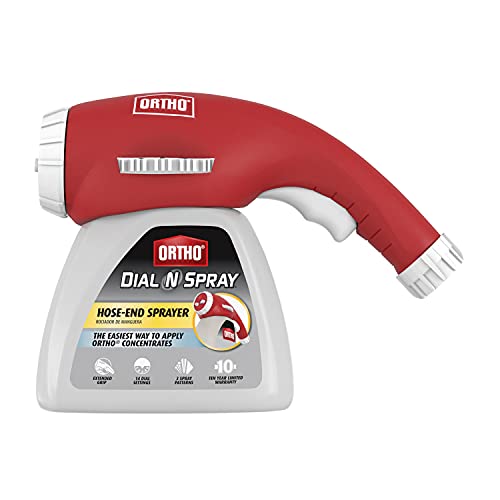
- Hose end sprayer for applying driveway cleaning solution
- Parking area or drop cloths to protect adjacent surfaces
- Garden hose with adjustable spray


Before You Start
Prepare the area by clearing debris and sealing off plants or delicate landscaping. Wet the surface thoroughly to minimize dust, then test a small, inconspicuous patch of paving with your cleaning solution to ensure no discoloration or damage will occur. Never use a metal brush or harsh chemical as a first choice; these can scratch or degrade joint sand and the stone itself. Plan for a few hours of work, depending on the area’s size and the level of staining.
Step-By-Step: How To Clean Block Paving Without A Pressure Washer
- Remove loose debris such as leaves, soil, and weeds from the joints and surface using your hands or a broom.
- Rinse the area with a garden hose to wet the surface and reduce dust during scrubbing.
- Prepare a mild cleaning solution according to the product instructions, aiming for a mix that is safe for block paving but effective against algae and grime.
- Apply the cleaning solution using the hose end sprayer for applying driveway cleaning solution, ensuring even coverage across the pavement.
- Use the stiff nylon bristle patio brush for block paving to scrub the surface in small, circular motions, focusing on stained areas.
- For persistent grime, switch to the block paving cleaning brush with scraper and gently work the scraper along the joints to loosen embedded dirt.
- Rinse thoroughly with a garden hose, guiding the water from the top down to avoid bringing dirt into the joints again.
- Repeat the scrubbing and rinsing cycle as needed until the surface looks uniformly clean and bright.
- Allow the pavement to dry completely. If efflorescence or mineral deposits emerge, repeat a light cleaning cycle after drying to prevent residue buildup.
- Seal or re-sand the joints if recommended for your specific paving; follow product instructions and weather guidelines before sealing.
Troubleshooting
| Symptom | Likely Cause | Fix | Prevention |
|---|---|---|---|
| Stains persist after scrubbing | Deep-set oil or organic stains | Apply a targeted cleaner designed for stains, repeat scrubbing | Address stains promptly, avoid prolonged exposure |
| Faded color or discoloration | Overly aggressive cleaner or sun exposure | Use milder solution and rinse well; avoid repeated aggressive cycles | Test on small area first; follow label directions |
| Efflorescence on joints | Mineral deposits | Brush with cleaner and rinse; consider an efflorescence-specific product | Proper sealing and periodic cleaning |
| Scratches on surface | Hard brushing or metal tools | Switch to nylon brushes; remove any metal tool usage | Use soft brushes for delicate areas |
Common Mistakes
- Using a high-pressure washer on soft joints or loose blocks, which can dislodge sand.
- Overusing harsh chemicals that can degrade paving or plants nearby.
- Skipping pre-wet steps, which can create more dust and streaks.
- Failing to rinse thoroughly, leaving residue that attracts more dirt.
Tips For Best Results
- Work in shade or during cooler parts of the day to prevent quick drying that leaves streaks.
- Test any cleaner on a small area before full application.
- Maintain joint sand after cleaning to prevent weed growth and maintain stability.
- Consider a periodic cleaning schedule: light cleans monthly and deep cleans seasonally.
Call A Professional
Consult a professional if you see structural damage, extensive weed growth in joints, or signs of sinking blocks. Stop immediately if the cleaning process causes noticeable movement in the pavers or if efflorescence worsens after cleaning. Prompt professional assessment can prevent costly repairs later.
FAQ
Can I use a pressure washer after cleaning with brushes?
Only if you use a low-pressure setting and keep the nozzle at a safe distance to avoid loosening sand or injuring joints.
Is there a specific cleaning solution for block paving?
Yes, choose a neutral or mildly alkaline cleaner designed for block paving and follow the manufacturer’s instructions.
How often should block paving be cleaned without a pressure washer?
Frequency depends on location and weather, but a light monthly sweep and rinse usually helps, with deeper cleanups every 6–12 months.
Should I seal block paving after cleaning?
Sealing is optional and depends on the paving type and climate. If you seal, follow product instructions and allow complete drying after cleaning.
Will cleaning remove weeds from joints?
Cleaning can reduce surface weeds but may not remove established roots. Treat persistent weeds with an appropriate herbicide or mechanical removal before resealing.
Buying Guide
When selecting tools and products to clean block paving without a pressure washer, consider size, surface type, and maintenance goals. A good kit typically includes a stiff nylon bristle brush, a dedicated block paving cleaning brush with scraper, and a hose end sprayer for controlled application. Look for brushes with durable, non-metal bristles and a scraper edge designed for joint cleaning to minimize material displacement.
Size and layout of the paving area influence tool choice. For larger patios, a longer-handled brush reduces bending strain, while smaller paths may benefit from a compact brush and precise spray control. Noise level is usually not a concern with manual cleaning, but ease of use in confined spaces matters. Energy efficiency is not a factor here, but water usage is; opt for efficient spray patterns and quick rinsing to minimize water waste.
Controls on the hose end sprayer should be simple and reliable, with adjustable flow to prevent oversaturation. Placement considerations include keeping cleaning solutions away from plants, grass, and decorative features. Finally, ensure the cleaning method aligns with the paving material type (concrete, stone, or textured blocks) and follow manufacturer guidelines to maintain color, texture, and joint stability.
Leave a Reply