How to Clean Bite Splint: Safe and Effective Cleaning
Properly cleaning a bite splint, night guard, or dental guard is essential for hygiene, comfort, and longevity. This guide provides practical steps using common household tools and readily available dental cleaning products to keep the device clean and free of odors.
Whether the bite splint is worn nightly or only occasionally, following a regular cleaning routine helps prevent bacteria buildup, staining, and mineral deposits. The instructions below emphasize safe handling and gentle cleaning to avoid damaging the appliance.
Quick Answer
Rinse the bite splint with lukewarm water after each use, brush gently with a soft bristle toothbrush, soak periodically in denture cleaning tablets as directed, and use an ultrasonic cleaner for deeper cleaning when needed. Sanitize with a mild solution and allow to air dry completely before reuse.
What You’ll Need
To prepare for cleaning, gather these tools and materials. They leverage the primary product keywords for best results:
- Ultrasonic cleaner for night guard bite splint dental guard
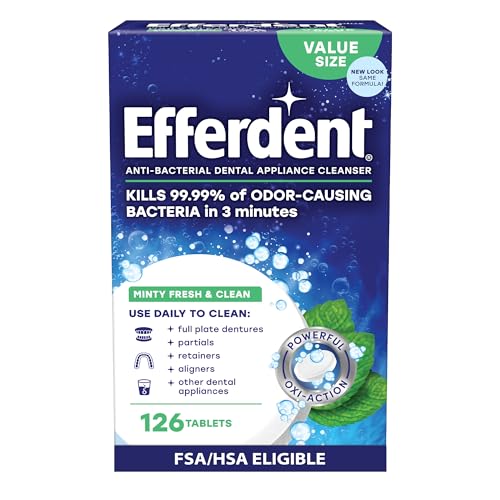
- Denture cleaning tablets for night guard mouth guard bite splint
- Soft bristle toothbrush for cleaning night guard bite splint dental guard


Before You Start
Before cleaning, remove the bite splint gently and examine it for cracks, warping, or loose components. Do not soak in hot water, which can cause distortion. Keep the device away from direct sunlight when drying. Time estimates: a quick rinse takes 1–2 minutes; brushing 3–5 minutes; deep cleaning or soaking 10–15 minutes.
Cautions: Avoid harsh cleaners, bleach, or abrasive scrubbers that may scratch or weaken the material. If the splint has noticeable cracks or rough edges, contact a dental professional before attempting further cleaning.
Step-By-Step: How To Clean Bite Splint Safely And Effectively
- Rinse the splint under lukewarm running water to remove loose saliva and debris.
- Gently brush all surfaces with a soft bristle toothbrush and a small amount of mild, dish-based soap or denture-safe cleaner.
- Rinse again to remove any soap residue that could irritate the mouth.
- For deeper cleaning, place the splint in an ultrasonic cleaner filled with the recommended cleaning solution and run a short cycle per the manufacturer’s instructions.
- If using denture cleaning tablets, dissolve as directed in a glass of lukewarm water and submerge the splint for the specified time. Do not exceed recommended soaking durations.
- Rinse thoroughly after soaking and inspect for remaining deposits or discoloration.
- Allow the splint to air dry completely on a clean surface away from pets and dust.
- Reinsert the splint only after it is completely dry to prevent bacterial growth.
- Schedule regular checkups with a dentist or sleep specialist to ensure the device still fits correctly and remains undamaged.
Troubleshooting
| Symptom | Likely Cause | Fix | Prevention |
|---|---|---|---|
| Persistent odor | Biofilm buildup | Use denture cleaning tablets or ultrasonic cleaning; ensure thorough drying | Clean nightly and store in a dry, ventilated case |
| Stains that won’t lift | Mineral deposits or pigment staining | Soak longer in tablets or use a dedicated dental guard cleaner | Avoid colored beverages while wearing; rinse after use |
| Scratches or roughness | Abrasion from hard brushes or cleaners | Switch to a softer brush; use gentle cleaners | Inspect for wear and replace as advised |
| Device feels loose | Wear or warping | Consult a dentist; avoid DIY reshaping | Follow manufacturer storage guidelines |
Common Mistakes
- Using hot water, which can warp the splint material
- Brushing with abrasive or stiff brushes that scratch the surface
- Over-soaking or using strong chemicals that damage the device
- Forgetting to dry the device completely before storage
Keeping a consistent routine minimizes these issues and extends the life of the bite splint.
Tips For Best Results
- Always rinse with lukewarm water before cleaning to avoid shocking the material
- Replace your toothbrush or brush head regularly to maintain gentle cleaning
- Consider using a dedicated denture cleaning tablet for periodic deep cleaning
- Store the bite splint in a breathable case to reduce moisture buildup
- Establish a cleaning schedule that aligns with nightly use for optimal hygiene
Call A Professional
Seek professional help if the bite splint shows persistent cracks, significant warping, or if you notice changes in fit or comfort that cleaning cannot address. Stop using the device and consult a dentist or sleep specialist promptly when you observe severe damage, unusual stiffness, or pain.
FAQ
How often should I clean my bite splint?
Clean it daily with brushing and rinse, and perform a deeper clean weekly or as recommended by a dental professional.
Can I use ordinary toothpaste to clean my bite splint?
Avoid regular toothpaste; use a mild soap or denture-safe cleaner and a soft brush.
Is an ultrasonic cleaner safe for all bite splints?
Most are safe when used according to the device’s instructions, but check with your dentist if unsure.
What should I do if the bite splint smells after cleaning?
Reassess the cleaning routine, ensure thorough drying, and consider a deeper soak with a denture cleaning tablet.
Can I wear the splint while cleaning it?
No. Clean and dry the device first to ensure a hygienic mouth after reinstallation.
What if the splint becomes loose or uncomfortable?
Stop using it and consult a dental professional to check fit and integrity.
Are there specific brands of denture cleaning tablets recommended?
Choose products labeled for dentures or night guards, following the manufacturer’s directions for soaking times.
Buying Guide
When selecting cleaning tools and products for bite splints, consider size and fit of the device, the typical cleaning environment, noise tolerance for ultrasonic devices, energy efficiency, control options, and placement storage.
- <bSize and fit: Ensure the splint fits comfortably and covers the intended areas; avoid oversized cleaning accessories that could scratch the device.
- <bCleaning power: Ultrasonic cleaners offer deep cleaning; choose models with adjustable cycles and safe temperatures for dental appliances.
- <bChemical compatibility: Confirm that denture cleaning tablets or cleaners are safe for the material of your bite splint.
- <bEase of use: Look for simple controls, clear instructions, and a compact footprint for home use.
- <bPlacement and drying: A ventilated, clean area for air drying reduces microbial growth and odors.
- <bNoise considerations: For shared spaces, opt for quieter ultrasonic units or manual cleaning options.
- <bMaintenance: Regularly replace brushes and verify the cleaner’s lid seals to prevent leaks.
By assessing these factors, users can choose a practical cleaning setup that fits their routine and dental care plan.
Leave a Reply