How to Clean a Bed Rest Pillow
Quick Answer
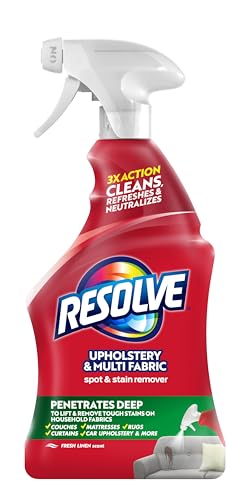
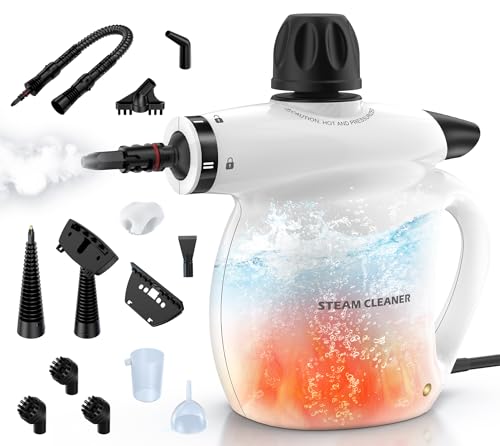
To refresh a stained bed rest pillow, spray a fabric stain remover on spots, blot with a clean cloth, and use a handheld fabric steamer to lift dirt and odors. Finish with an upholstery cleaning brush tool to agitate the fabric, then air dry completely before reuse.
What You’ll Need
- Fabric stain remover spray for pillows upholstery
- Handheld fabric steamer for pillows cleaning
- Upholstery cleaning brush tool for cushions
- Clean white cloths or towels
- Vacuum with upholstery attachment (optional)
- Small bucket of water (for local spot cleaning, if needed)

Before You Start
Check the pillow cover care label for fabric type and washing instructions. Perform a spot test on an inconspicuous area before full cleaning to ensure colorfastness. Work in a well-ventilated area and avoid soaking the pillow, which can take days to dry. Plan for a drying window of several hours to overnight, depending on humidity and fabric.
Critical cautions: Do not use bleach on colored fabrics. Do not saturate foam filling; excessive moisture can lead to mold or odor. If the pillow has a removable cover, clean the cover separately and let the inner cushion dry completely before reassembly.
Step-By-Step: How To Clean A Bed Rest Pillow
- Remove the pillow cover if possible and launder according to the care label, or set the cover aside for separate cleaning.
- Lightly vacuum the pillow surface with an upholstery attachment to remove loose dust and debris.
- Spray a thin, even layer of fabric stain remover spray for pillows upholstery on stained areas, following the product’s instructions.
- Gently blot with a clean white cloth to lift the stain, working from the outside in to prevent spreading.
- Use the upholstery cleaning brush tool to softly agitate the fabric, helping the cleaner to penetrate fibers without fraying.
- For stubborn stains, reapply the stain remover and repeat the blotting and brushing steps until the area lightens.
- Lightly steam the surface with a handheld fabric steamer for pillows cleaning, keeping the steamer at a safe distance to avoid soaking the fabric.
- Blot any remaining moisture with a dry cloth and allow the pillow or cover to air dry completely in a well-ventilated area, flipping as needed to speed evaporation.
- Reassemble the pillow once fully dry and fluff the filling to restore shape and firmness.
- If odors persist, repeat the cleaning cycle on the surface or consider a fabric-safe deodorizer once the pillow is fully dry.
- For delicate fabrics, test a small inconspicuous spot before repeating the full process on the entire pillow.
Troubleshooting
| Symptom | Likely Cause | Fix | Prevention |
|---|---|---|---|
| Stain reappears after drying | Stain wasn’t fully removed | Repeat stain treatment and brushing; ensure thorough blotting | Treat stains promptly; blot rather than rub |
| Fabric feels stiff after cleaning | Excess cleaner residue or stiff foam | Blot gently with a damp cloth to remove residue, then air dry | Use minimal cleaner and rinse with light steam |
| Moisture remains trapped | Over-saturation of foam or backing | Increase air flow, use fan or dehumidifier; avoid soaking | Spot clean only; do not saturate filling |
| Color fading after cleaning | Strong stain remover or heat exposure | Switch to a milder product and reduce heat from steam | Test on hidden area first |
Common Mistakes
- Using too much cleaner, which can leave residues and attract more dirt
- Soaking the pillow or filling, leading to mold or odor
- Rubbing vigorously, which can fray or damage delicate upholstery fabrics
- Skipping a test patch on the fabric, risking color loss
Tips For Best Results
- Always start with the least invasive method: light vacuum, then spot clean
- Keep the fabric steamer at a distance and avoid direct, prolonged contact with a single spot
- Use white cloths to monitor color transfer and prevent dye from transferring to the fabric
- Dry the pillow fully before reusing to prevent mildew growth
- Consider a fabric-safe spray deodorizer after drying for long-lasting freshness
Call A Professional
Seek professional upholstery cleaning if the pillow has a fragile fabric, persistent stains that do not improve after multiple cleanings, or if the pillow contains high-density foam that could be damaged by moisture. Stop cleaning and consult a pro if you notice color bleeding, shrinking, or unusual odors that persist despite drying.
FAQ
Is it safe to use fabric stain remover spray on all pillow fabrics?
Most fabrics respond to stain removers, but always test on a hidden area first and follow the label directions.
Can I machine wash a bed rest pillow with a fabric cover?
If the cover is removable and machine washable, follow the care label and wash separately from the filling.
How long should I let the pillow dry after cleaning?
Drying times vary by fabric and filling, but plan for several hours to overnight in a well-ventilated area.
What if the stain won’t come out?
Spot treat again with a milder solution, or consider professional cleaning for tough stains.
Can I use bleach on pillow fabrics?
Avoid bleach on colored fabrics; use color-safe alternatives or stick to stain removers designed for upholstery.
Buying Guide
Choosing the right method and tools for bed rest pillow cleaning depends on fabric type, staining, and future maintenance. Consider the following factors to optimize results and protect fabric.
- Size and fabric type: Larger pillows or delicate fabrics may require gentler approaches and less moisture.
- Noise level and energy efficiency: Handheld steamers vary in noise and power; pick one that fits your space and preference for quiet operation.
- Controls and usability: Look for simple spray triggers, adjustable steam settings, and ergonomic handles for comfortable use.
- Placement and drying: Plan for air-drying space away from direct sunlight or heat sources to prevent fading or warping.
- Maintenance frequency: If stains are common, invest in a reliable fabric stain remover compatible with your pillow materials and a soft upholstery brush for regular upkeep.
- Multi-use compatibility: Tools listed here work well on cushions, throws, and other fabric-covered furniture, offering better value and versatility.
With the right tools and steps, maintaining a clean, comfortable bed rest pillow is straightforward. Are you ready to refresh your pillow without heavy scrubbing or soaking?
Leave a Reply