How to Clean a Wet Hair Brush Efficiently
Cleaning a wet hair brush is essential to prevent the growth of bacteria and keep your grooming routine hygienic. This guide provides a practical, step-by-step method using common tools to safely remove residue and restore the brush’s performance.
Quick Answer
Rinse the brush under warm running water, apply a gentle soap or shampoo, scrub with a silicone brush cleaning mat or soft-bristle brush cleaner, rinse thoroughly, and dry completely before reuse.
What You’ll Need
- Silicone brush cleaning mat for hairbrush
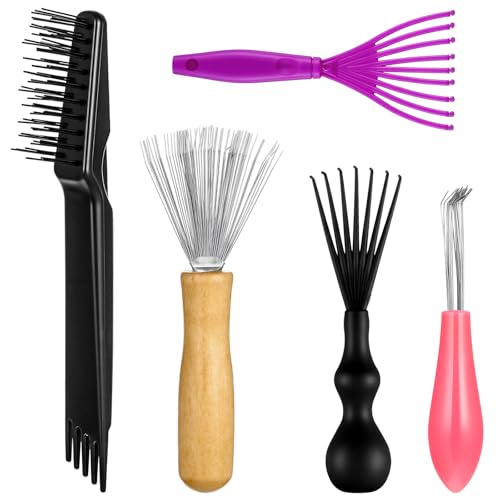
- Hairbrush cleaning tool silicone bristle cleaner kit
- Water, mild shampoo or liquid soap


Before You Start
Prepare a basin or sink with warm water. Use gentle, fragrance-free soap to avoid irritating your scalp. Never soak wooden handles for long periods, as water can warp the wood. Plan for 5–15 minutes of soaking time and ensure good ventilation to help drying. If your brush has natural bristles, avoid harsh chemicals that could damage them. Always unplug any electrical devices and keep them away from water.
Step-By-Step: How To Clean A Wet Hair Brush
- Rinse the brush head under lukewarm running water to loosen hair and oils.
- Fill a basin with warm water and add a small amount of mild shampoo or liquid soap.
- Dip the brush head in the soapy water and gently agitate with your fingers to loosen gunk between bristles.
- Use a silicone brush cleaning mat or the provided silicone bristle cleaner kit to scrub between bristles until clear.
- Rinse the brush under clean running water to remove all soap residues.
- Shake off excess water, then lay the brush bristle-side down on a towel to air dry thoroughly.
- Inspect the brush for remaining debris; repeat cleaning if necessary.
- Store the brush in a dry, well-ventilated area to prevent mildew.
Troubleshooting
| Symptom | Likely Cause | Fix | Prevention |
|---|---|---|---|
| Bristles remain stiff after cleaning | Soap residue or trapped debris | Re-clean with a silicone mat and rinse longer | Regular maintenance after use |
| Wooden handle warps or cracks | Prolonged soaking | Avoid soaking; rinse and dry promptly | Limit water exposure; wipe dry |
| Unpleasant odor returns | No thorough drying; hidden residue | Repeat cleaning and ensure full drying | Dry completely between uses |
| Loose bristles | Excessive force during cleaning | Handle with care; don’t pull on bristles | Gentle cleaning practices |
Common Mistakes
- Using hot water or harsh chemicals on all brush types
- Leaving the brush soaking for extended periods
- Skipping a thorough rinse, leaving soap behind
- Not drying the brush completely, which invites mildew
Tips For Best Results
- Clean your brush at least once a week during heavy use periods to reduce buildup.
- Consider alternating cleaning with a dedicated silicone bristle cleaner kit to reach tight spaces.
- For sensitive scalps, use a fragrance-free soap and rinse thoroughly to avoid irritation.
- If your brush has a metal base, avoid soaking it long to prevent rust; opt for quick dips and immediate drying.
Call A Professional
If you notice persistent mold, cracking in the handle, or bristles corroding and you cannot restore the brush with cleaning, seek professional guidance or consider replacing the brush. Seek immediate help if there is any sign of skin infection or irritation that correlates with brush use.
FAQ
Can I clean a wet brush with a dish sponge?
A soft dish sponge can help dislodge debris, but a silicone mat designed for brushes provides better access to tight bristle spaces.
How often should I deep-clean my brush?
Deep-clean a brush weekly during heavy use or monthly for light use to maintain hygiene.
Is it okay to soak a plastic-bristle brush overnight?
Prolonged soaking is not recommended; brief rinses and quick drying are safer for most brushes.
What if my brush’s bristles are fraying?
Fraying bristles indicate wear; replace the brush to prevent scalp irritation.
Buying Guide
When shopping for a brush-cleaning setup, consider size and compatibility with your brush type, noise level if using powered tools, energy efficiency for any electronic devices, ease of use, and placement in your bathroom or vanity. Look for a silicone-based cleaning mat with ample surface area to reach between bristles, and a compact silicone bristle cleaner kit that can reach into tight gaps without damaging bristles. If choosing an automatic hair brush cleaner device, verify compatibility with your brush shape and bristle material, as well as ease of disassembly for cleaning. For most households, combining a silicone cleaning mat with a dedicated bristle cleaner kit provides the best balance of effectiveness, safety, and cost. Consider a small, breathable drying rack or towel space to ensure rapid air-drying after cleaning.
Would you benefit from a dedicated brush-cleaning routine? A well-planned routine minimizes buildup and keeps brushes in good condition, making daily grooming smoother. If you regularly style with heavy products, a regular cleaning schedule is especially helpful. For those with sensitive skin, choosing fragrance-free products and ensuring a thorough rinse can prevent irritation.
Leave a Reply