How to Clean a Reptile Tank With Vinegar
Cleaning a reptile tank with vinegar is a simple, budget-friendly approach that helps remove mineral deposits, urine stains, and odors without harsh chemicals. This guide explains a safe, effective routine that preserves enclosure surfaces and keeps your pet healthy.
Quick Answer
For a fast clean: mix distilled white vinegar 5% with water in a spray bottle, wipe down all interior surfaces, rinse with fresh water, and dry completely before returning your reptile to the enclosure. For tougher residues, a vinegar-based reptile enclosure cleaner spray can boost results without harsh additives.
What You’ll Need
- Distilled white vinegar 5% for terrarium cleaning spray 16 oz
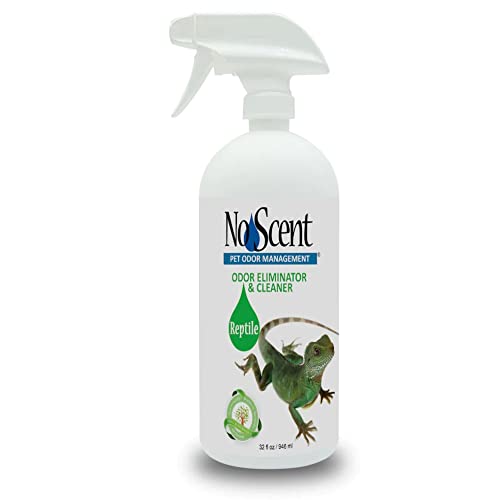
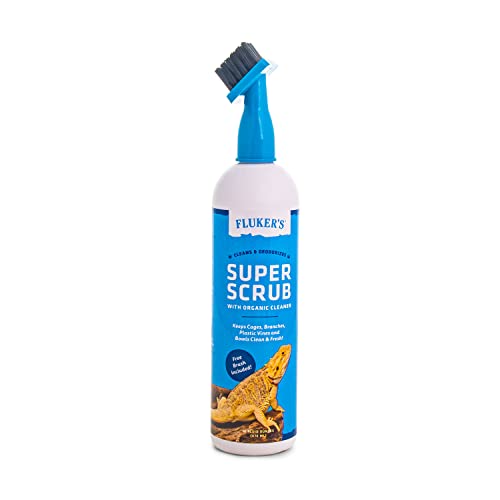
- Reptile enclosure cleaner spray vinegar solution 32 oz
- Terrarium cleaning kit vinegar safe for reptile tanks 1 gallon

Before You Start
Prepare a clean, well-ventilated work area and remove the reptile from the enclosure during the cleaning. Use gloves if you have sensitive skin, and ensure all cleaning products are rinsed away completely. Avoid using bleach or ammonia-based cleaners near reptiles, as fumes can be harmful. Allow the tank to dry thoroughly before reintroducing your pet, and check thermostat and humidity controls after reassembly. Time estimate: 20–40 minutes per cleaning session.
Step-By-Step: How To Clean A Reptile Tank With Vinegar
- Remove all substrate, decorations, and water dishes. Place them in a separate sink or tub for washing.
- Wrap or cover electrical components and outlets to prevent moisture intrusion.
- Empty the tank and wipe loose debris with a dry microfiber cloth.
- Prepare a vinegar solution by mixing distilled white vinegar with water in a ratio of 1:1 or as directed by your chosen reptile enclosure cleaner spray vinegar solution 32 oz.
- Spray interior surfaces evenly, focusing on corners, water bowls, and any mineral buildup. Let the solution sit for 5–10 minutes for best effect.
- Scrub stubborn spots with a soft sponge or non-abrasive brush. Rinse surfaces thoroughly with clean water to remove all vinegar residue.
- Wipe surfaces dry with a clean cloth, then reassemble decorations and water dishes after ensuring all areas are completely dry.
- Return the reptile to the enclosure and monitor humidity and temperature to ensure stable conditions.
- After initial use, establish a routine cleaning schedule and continue using the vinegar-based products as a safe maintenance routine.
Troubleshooting
| Symptom | Likely Cause | Fix | Prevention |
|---|---|---|---|
| Persistent odor after cleaning | Residual odors or cleaning product leftover | Rinse thoroughly with water and dry completely; repeat if needed | Rinse immediately after any cleaning |
| Streaky glass or plastic | Water spots or mineral deposits | Wipe with a dry cloth or use a vinegar rinse followed by thorough drying | Dry surfaces as you go |
| Discoloration on substrate | Embedded stain from urine or minerals | Replace substrate if stains persist; clean thoroughly | Spot-clean regularly to prevent buildup |
| Evidence of irritation in reptile after cleaning | Residual cleaner or too strong solution | Rinse more thoroughly and dilute next time | Test cleaner on a small area first |
Common Mistakes
- Using undiluted vinegar on sensitive plastics or sealants—potential damage
- Not rinsing off all vinegar residue, which can irritate reptiles
- Reusing dirty brushes or cloths that spread contaminants
- Failing to dry the enclosure completely before returning the reptile
Sticking to diluted vinegar solutions and careful rinsing reduces risk and keeps tanks clear of harmful residues.
Tips For Best Results
- Label spray bottles clearly as “Vinegar Safe for Reptile Tanks” to avoid cross-contamination with other cleaners.
- Use a soft sponge for delicate glass or acrylic surfaces to prevent scratches.
- Schedule routine maintenance every 1–2 weeks to prevent hard-water buildup and odors.
- Keep a dedicated set of cleaning tools for reptile enclosures to maintain hygiene standards.
Call A Professional
Consider consulting a herpetology professional or exotic animal veterinarian if you notice persistent skin or respiratory irritation in your reptile, unusual behavior, or ongoing tank contamination despite cleaning. Seek help immediately if there are signs of mold growth, heavy substrate damage, or persistent dampness that could compromise enclosure integrity.
FAQ
Is vinegar safe for all reptile species?
Vinegar is generally safe when properly diluted and thoroughly rinsed, but some species with highly sensitive respiratory systems may require alternative cleaners. Always test in a small area and monitor your animal’s reaction.
How often should I clean a reptile tank with vinegar?
Weekly light cleaning plus a deeper rinse every 2–4 weeks is a common routine, depending on the species and enclosure conditions.
Can I use vinegar on wood decorations?
Yes, but ensure surfaces are fully dried and coated with a sealant if necessary to prevent moisture damage.
What should I do if the enclosure has mineral buildup?
Use a vinegar solution to dissolve mineral deposits on non-porous surfaces, then rinse thoroughly and dry. For severe buildup, repeat the process or consult a professional for substrate-safe options.
Buying Guide
When choosing a vinegar-based cleaning approach for a reptile tank, several factors influence effectiveness and safety. Size matters: larger tanks benefit from gallon or larger kits that accompany extended use and repeated cleaning cycles. Noise level isn’t typically a concern for cleaning, but a compact spray bottle design reduces disruption during routine maintenance. Energy efficiency is less about the cleaner itself and more about minimizing repeated steps; choosing a ready-to-use spray reduces water waste and simplifies rinsing. Look for controls that let you adjust the spray pattern and concentration, especially when dealing with stubborn residue. Placement considerations include storing cleaners in a cool, upright location away from direct sunlight and away from pet habitats. For comparison, a simple 16 oz distilled white vinegar spray is ideal for quick touch-ups, while a 32 oz vinegar solution spray or a 1 gallon terrarium cleaning kit covers more thorough, periodic cleans. Consider compatibility with enclosure materials (glass, acrylic, PVC) and follow the manufacturer’s guidance for safe use. Always ensure any cleaning product is clearly labeled for terrariums and is rinsed properly before reintroducing a reptile. A practical approach blends ready-to-use sprays with occasional stronger, vinegar-based cleaners to manage buildup without harsh chemicals. Lastly, establish a routine that fits your tank size and reptile’s needs to maintain a healthy living environment.
Leave a Reply