How to Clean a Heat Pump: A Practical DIY Guide
Regular maintenance helps heat pumps run efficiently, reduce energy use, and extend their life. This guide walks American homeowners through a safe, step-by-step process to thoroughly clean a heat pump, including the condenser, coils, and accessible filters. Clean systems operate more reliably, especially in extreme seasons.
Quick Answer
Clean a heat pump by removing loose debris, protecting electrical components, washing the condenser coils from the outside in, and applying a suitable coil cleaner to remove stubborn grime. Finish by flushing the drain line and reinstalling any protective panels. For best results, repeat every 6–12 months or after severe storms.
What You’ll Need
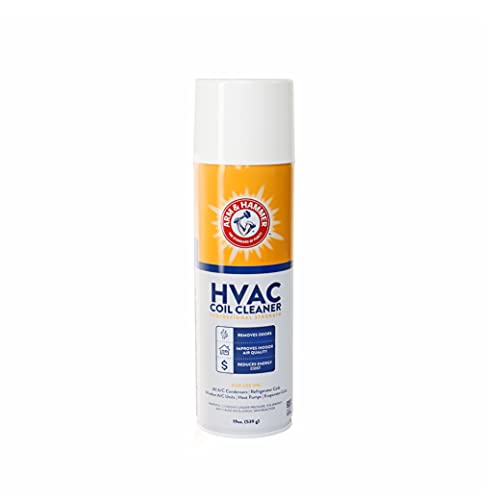
- HVAC condenser coil cleaner spray for heat pumps
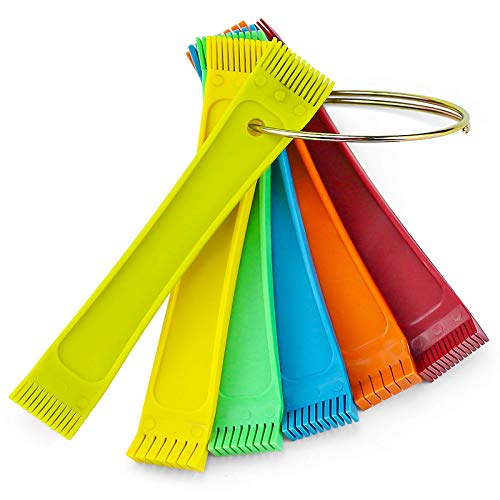
- Condenser coil cleaning brush and fin comb set
- Heat pump filter and coil cleaning spray kit

Before You Start
Before beginning, turn off the heat pump at the thermostat and at the outdoor disconnect switch to avoid electrical shock. Allow the unit to cool if it has been running. Clear the area around the outdoor unit—remove leaves, dirt, and clutter for better access. Wear eye protection and gloves. Do not spray water directly into electrical components or the fans; use a gentle spray from a safe distance. Estimate 45–90 minutes depending on system size and condition.
Step-By-Step: How To Clean A Heat Pump
- Unlock and remove the service panels to access the condenser coils.
- Use a soft brush to remove loose dirt and debris from the exterior fins without bending them.
- Apply a thin, even coat of HVAC condenser coil cleaner spray for heat pumps to the coil surface, following the product directions.
- Allow the cleaner to sit for the recommended time to break down grime.
- Gently rinse from the top down using a low-pressure spray or hose with a gentle nozzle. Avoid high-pressure streams that can bend fins.
- Run the outdoor fan briefly during cleaning to help dry the coils and prevent residue buildup.
- Inspect and straighten any bent fins with the fin comb set, working from the center outward.
- Clean the evaporator coil and air filter inside the indoor unit if accessible, using the heat pump filter and coil cleaning spray kit as directed.
- Flush the condensate drain line if accessible; clear any blockages with a safe drain cleaner or a small shop vacuum.
- Reinstall panels, reconnect power, and run a test cycle to ensure proper operation and airflow.
- Monitor for unusual noises or reduced airflow over the next few days and address any issues promptly.
- Schedule the next cleaning in 6–12 months, or sooner if you notice reduced efficiency or heavy soiling.
Troubleshooting
| Symptom | Likely Cause | Fix | Prevention |
|---|---|---|---|
| Poor airflow after cleaning | Clogged indoor filter or duct debris | Replace filter; inspect ducts | Adopt a regular filter schedule |
| Visible bent fins | Physical damage during cleaning | Carefully straighten with fin comb | Use gentle brushes and avoid sharp tools |
| Water leaks around unit | Improper drainage or loose connections | Check drain line; reseal panels if needed | Keep area clear; maintain slope for drainage |
| Strange odor or smoke | Electrical issue or overheating | Turn off power and call a professional | Do not operate until inspected |
Common Mistakes
- Using high-pressure water on coils, which can bend fins and force water into electrical components.
- Skipping the indoor filter or neglecting the drain line, leading to mold or water damage.
- Overusing cleaner or leaving residues; always follow product directions.
- Ignoring safety steps, such as turning off power and wearing eye protection.
Tips For Best Results
- Clean during mild weather to avoid rapid drying that can cause residue streaks.
- Schedule annual maintenance with a professional, especially if the system is older or hard to access.
- Label and photograph wiring and connections before removing panels to simplify reassembly.
- Combine cleaning with a filter replacement for the indoor unit to maximize efficiency.
- Keep outdoor surroundings clear to improve airflow and reduce debris intake between cleanings.
Call A Professional
If you notice refrigerant leaks, unusual noises, frozen coils, or if electrical components appear damaged, stop and contact a licensed HVAC technician. Do not attempt to repair refrigerant lines or electrical panels yourself. Complex issues often require specialized tools and certification.
FAQ
How often should I clean a heat pump?
Most systems benefit from cleaning every 6–12 months, with more frequent attention after heavy storms or in dusty environments.
Can I use any cleaner on heat pump coils?
Use cleaners labeled for HVAC condenser coils and follow the manufacturer’s instructions to avoid damage.
Is it safe to rinse coils with a garden hose?
Yes, but use a low-pressure spray and keep electrical components dry. Do not spray directly into electrical boxes or fans.
What maintenance should accompany coil cleaning?
Replace indoor filters, check the condensate drain, inspect for loose connections, and ensure proper airflow after cleaning.
Buying Guide
Choosing the right cleaning supplies and maintenance tools supports effective heat pump upkeep. Consider size and accessibility of your unit, the level of debris in your area, and your comfort with DIY tasks.
Key buying factors include:
- <bCondenser coil cleaner spray for heat pumps that is biodegradable and labeled for HVAC use to protect fins and seals.
- <bCondenser coil cleaning brush and fin comb set with soft bristles and a sturdy fin comb to straighten bent fins without damaging them.
- <bHeat pump filter and coil cleaning spray kit that includes situations for interior and exterior components, plus safe spray patterns.
Other considerations are the unit’s accessibility, whether you prefer a kit with multiple tools or individual products, and the availability of replacement parts. If your climate has heavy pollen, dust, or salt exposure, invest in higher-quality cleaners and protective gear to extend the life of the coils and filters. For larger homes or multi-zone systems, you may need additional tools or professional servicing.
Leave a Reply