How to Clean a Fishing Reel After Saltwater Use
Saltwater environments can accelerate corrosion and wear on fishing reels, so a thorough post-trip cleaning is essential. This guide provides a practical, step-by-step approach using common tools and a dedicated saltwater reel maintenance kit. The goal is to extend reel life, maintain smooth operation, and prevent corrosion that can affect performance.
Quick Answer
Rinse with fresh water, dry completely, disassemble modestly, lubricate moving parts, and store in a dry place. Use a dedicated saltwater fishing reel cleaning kit with brushes microfiber towel, a fishing reel grease oil kit for saltwater reels, and a precision screwdriver set for fishing reel maintenance to ensure thorough cleaning and proper reassembly.
What You’ll Need
The following tools and supplies help streamline the cleaning process and support long-term reel health.
- Saltwater fishing reel cleaning kit with brushes microfiber towel
- Fishing reel grease oil kit for saltwater reels
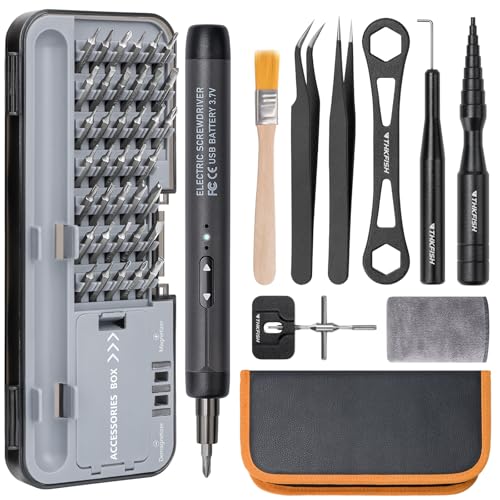
- Precision screwdriver set for fishing reel maintenance
- Fresh water source or distilled water for rinsing
- Soft cloth or microfiber towels for drying
- Isopropyl alcohol (at least 70%), for residual drying and lint-free cleaning
- Small containers for parts and lubricants
- Lubricants specifically labeled for fishing reels

Before You Start
Before beginning, prepare a clean workspace with good lighting. Work over a soft mat to prevent parts from rolling away. Protect delicate components from sand and grit during disassembly. If the reel is still under warranty, consult the manual to avoid voiding coverage. Time estimate: 20–40 minutes for a standard spinning or casting reel, longer for complex models.
Step-By-Step: How To Clean A Saltwater Fishing Reel
- Rinse the exterior with fresh water to remove salt spray and debris. Do not soak the reel; a light rinse is enough to loosen salt crystals.
- Pat dry with a microfiber towel. Use a soft brush to dislodge stubborn grime from crevices without forcing salt deeper into the housing.
- Remove the spool if your model allows it and set aside the line. This provides access to the internal components and improves cleaning efficiency.
- Inspect the rotor, bail, and handle for corrosion or wear. Use the precision screwdriver set for fishing reel maintenance to remove cover plates or side plates as needed.
- Use the saltwater fishing reel cleaning kit with brushes microfiber towel to apply solvent or cleaner to aluminum or graphite surfaces. Lightly scrub pins, gears, and bearings; avoid displacing seals.
- Rinse again with fresh water to remove cleaner residues, then thoroughly dry all parts with a clean towel.
- Apply a small amount of fishing reel grease oil kit for saltwater reels to moving metal-to-metal contact points: gears, bearings, and a light coating on links. Wipe away excess to prevent attracting new salt crystals.
- Reassemble the reel in the reverse order of disassembly. Ensure screws are snug but not overtightened to avoid stripping threads.
- Operate the handle and bail manually to distribute lubricant evenly before mounting back on the rod. Test casts or retrieves to confirm smooth operation.
- Store the reel in a dry, ventilated area away from direct sunlight. Consider a protective reel cover to reduce exposure to humidity and dust.
Troubleshooting
| Symptom | Likely Cause | Fix | Prevention |
|---|---|---|---|
| Stiff handle or slow bail return | Salt or old grease buildup | Clean and re-lubricate bearings and gears | Clean after each saltwater trip |
| Grinding noise during retrieve | Insufficient lubrication or worn gears | Lubricate with appropriate reel grease; replace worn components as needed | Routine maintenance schedule |
| Corrosion on metal parts | Exposure to salt without protection | Re-clean, use corrosion-inhibiting lubricant, and replace corroded parts | Rinse after fishing; dry thoroughly |
| Seized spool | Salt crystals locked in bearings | Disassemble, soak, and re-lubricate; replace seals if necessary | Clean promptly after salt use |
Common Mistakes
- Overlooking hidden cavities where salt can accumulate
- Using household oils not designed for reels
- Over-lubricating, which can attract dust and salt crystals
- Rushing reassembly, risking misaligned gears or loose screws
Keeping a regular cleaning routine and using the right products reduces wear and extends reel life.
Tips For Best Results
- Perform a quick rinse immediately after saltwater use to prevent drying salt from bonding to metal surfaces.
- Use precision screwdriver set for fishing reel maintenance to handle tiny fasteners with accuracy and reduce the chance of stripped heads.
- Choose a saltwater fishing reel cleaning kit with brushes microfiber towel that includes different brush sizes for hard-to-reach areas.
- Apply lubricants sparingly; excess grease can trap grit and accelerate wear.
- Store reels in a dry, ventilated space and avoid stacking heavy items on top of them.
Call A Professional
Consider professional service if the reel exhibits persistent grinding, corrosion beyond surface level, or if disassembly would void warranty. Stop using the reel if you notice significant play in gears or a crack in the frame. Complex saltwater reels with sealed components may require a technician to service interior seals and drag systems.
FAQ
How often should I clean a saltwater reel?
Clean after every saltwater trip and perform a deeper lubrication every few trips, depending on usage and exposure.
Can I use plain motor oil on reel parts?
No; use lubricants formulated for fishing reels, as they are designed to resist salt and moisture without harming seals.
Should I rinse the reel with tap water?
Yes, a light rinse with fresh water is recommended, but avoid soaking and ensure thorough drying afterward.
What if I don’t have a reel cleaning kit?
Use only approved reels-specific cleaners and lubricants. Do not substitute household cleaners or WD-40 on bearings, as these can degrade seals and cause damage.
Is it safe to store a wet reel?
Never store a wet reel. Dry completely to prevent corrosion and mold inside the housing.
How do I know which lubricants to buy?
Refer to your reel’s manual or consult the fishing reel grease oil kit for saltwater reels compatibility notes for your model and gear type.
Buying Guide
When selecting cleaning supplies and maintenance tools for saltwater reels, consider size, compatibility, and user experience. A comprehensive kit that includes brushes, microfiber towels, and a range of lubricants simplifies maintenance, especially for frequent anglers. Look for labeled retrofittable components compatible with your reel brand and model, ensuring you can service multiple reels with a single kit. Noise levels and energy use do not apply to these manual tools, but ease of use matters: a compact toolkit with clearly labeled parts and color-coded lubricants helps prevent mistakes. For storage, a portable case or organizer keeps parts protected and accessible, while moisture-absorbing desiccants crest a dry environment to hamper corrosion. Finally, consider combination sets that include a precision screwdriver set, a dedicated lubricating oil, and reel-specific brushes for a well-rounded maintenance routine.
Leave a Reply