How to Clean Suede: A Practical Step-by-Step Guide
Suede can add a rich, refined look to shoes, jackets, and accessories, but it requires careful cleaning to maintain its nap and color. This guide explains a safe, practical process for removing spots, dirt, and stains from suede items commonly used in American households.
Quick Answer
Quick method: Use a horsehair suede cleaning brush to lift surface dirt, then apply a suede cleaning eraser block to remove stains. Finish with a waterproof suede protector spray to guard against future moisture and oil marks.
What You’ll Need
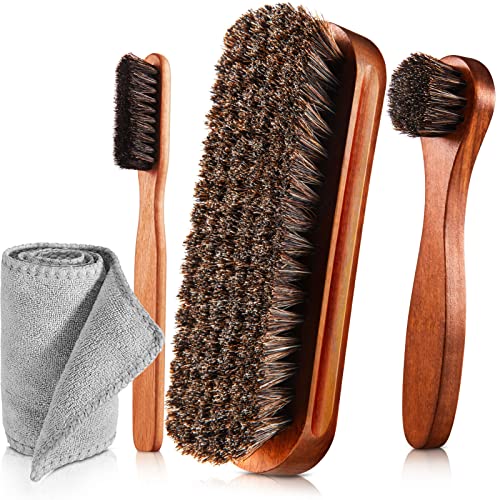
- Horsehair suede cleaning brush
- Suede cleaning eraser block
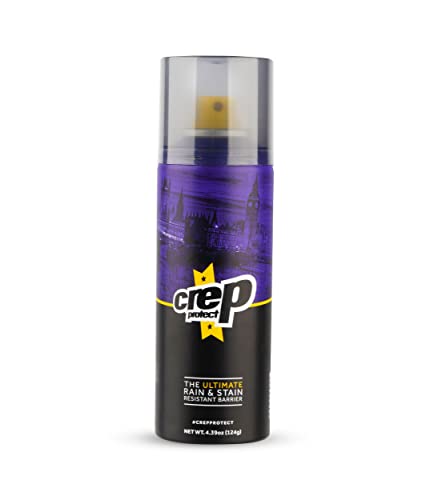
- Waterproof suede protector spray

Before You Start
Before cleaning, inspect the item for scuffs, water stains, or dye transfer. Test any product on a hidden area first to ensure no discoloration occurs. Work in a well-ventilated area and protect surfaces with a clean cloth or towel. Time estimates vary by item and stain, but plan 20–60 minutes for a thorough, guided clean. Avoid saturating suede with water; the goal is to lift dirt, not soak the material.
Step-By-Step: How To Clean Suede
- Brush the surface gently with a horsehair suede cleaning brush to remove loose dirt and restore nap direction.
- For light stains, rub the spot in a single direction with a suede cleaning eraser block, applying light pressure until the stain fades.
- If a stain persists, dampen a clean cloth with very small amounts of water and rub around the stain; avoid soaking the material. Let the area air dry, then brush again to restore nap.
- For oil-based marks, sprinkle a small amount of cornstarch or baking soda on the stain and let it sit for 15–20 minutes, then brush away with the suede brush.
- Use the suede cleaning eraser block again on any remaining marks after the powder has been removed.
- Once clean, spray a light, even coat of waterproof suede protector spray from about 6–8 inches away to seal the surface. Allow to dry completely per label directions.
- Brush the nap lightly in one direction after drying to restore the even surface texture.
- For stubborn discoloration, consider a professional cleaning service or dedicated suede dye kit if the color has faded or changed.
- Avoid using household sharp tools or abrasive cleaners, which can damage the nap and cause permanent marks.
- Store suede items away from direct sunlight and moisture to maintain color and texture between cleanings.
- For regular maintenance, perform touch-ups as soon as dirt appears to prevent deeper staining.
- If the item is heavily soiled or valuable, seek professional cleaning guidance rather than attempting aggressive work at home.
Troubleshooting
| Symptom | Likely Cause | Fix | Prevention |
|---|---|---|---|
| Stains reappear after cleaning | Improper nap restoration | Re-brush in the direction of the nap and re-apply a light coat of protector | Test spot first; use minimal moisture |
| Water marks after cleaning | Over-wetting | Dry in a well-ventilated area; brush nap | Keep moisture levels low; use a protector |
| Nap looks dull | Stubborn surface soil | Gently brush, then eraser block; repeat as needed | Clean promptly after use, avoid long-term grime |
| Discoloration after protector spray | Incorrect dye or finish | Stop using spray on that area and seek professional advice | Test on hidden area before full application |
Common Mistakes
- Using water-heavy cleaning on delicate suede
- Over-scrubbing with abrasive tools or harsh chemicals
- Skipping nap restoration after cleaning
- Applying protector too heavily or unevenly
Understanding the unique texture of suede helps prevent damage. Always start with dry methods and only introduce moisture when necessary.
Tips For Best Results
- Always brush in the direction of the nap to avoid creating uneven patches.
- Carry cleaning tools with your items to handle spots promptly and prevent set-in stains.
- A light, even application of waterproof spray protects from water and oil exposure and extends the life of the suede.
- Store suede items in a breathable dust bag or cover to maintain texture between cleanings.
- Keep a small, dedicated cleaning kit at home or in your car for quick touch-ups on the go.
Call A Professional
Seek professional cleaning if the item has significant stains, delicate dye, or structural damage. Stop attempting large-scale spot removal if you notice color bleeding, stiff texture, or cracking. A pro can assess whether dyeing, re-napping, or specialized cleaners are required.
FAQ
Can suede be cleaned with water?
Limited, controlled moisture can be used for certain stains, but avoid soaking. Always test a hidden area first.
How often should I treat suede with protector?
After cleaning or whenever you notice dirt buildup, a light protective spray helps maintain water resistance.
Is a suede eraser block safe on all colors?
Most eraser blocks are safe, but test on a hidden area to confirm there’s no color change.
What if the nap is crushed after cleaning?
Gently brush in the direction of the nap, then use a steam method or re-nap with a soft brush once fully dry.
Are there alternatives to the spray protector?
Water-repellent sprays designed for suede are best; avoid household products not labeled for suede.
Should I dry suede in a sunny spot?
Avoid direct heat or sunlight that can cause fading; air-dry in a shaded area with good ventilation.
Can I clean suede shoes the same way as jackets?
Yes, but adapt cleaning time and product usage to fit the shoe’s material and sole construction.
What if my suede item is heavily stained?
Professional cleaning is recommended to prevent further damage or color loss.
Buying Guide
Choosing the right suede cleaning tools and protection products helps maintain the appearance and longevity of suede items. Consider the following factors:
- Size and type of item: Shoes, jackets, or bags may require different approaches. Small items benefit from compact brush heads and erasers; larger pieces may need more thorough brushing or repeated treatments.
- Nap sensitivity: Highly variable nap requires gentle handling; some suedes respond better to dry methods while others tolerate light moisture.
- Noise level and ease of use: Simple brushes and erasers are low effort, while sprays require careful, even application.
- Energy efficiency: Not a direct factor, but choose long-lasting protectors and cleaning tools to reduce the need for frequent replacements.
- Controls and application: Look for spray bottles with fine nozzles for even coverage and erasers with comfortable grips for precision.
- Placement: Store tools in a dedicated kit away from sunlight and heat to prevent nap damage or dry-out of materials.
- Compatibility: Ensure protector sprays are labeled safe for suede and compatible with the item’s dye and finish.
For best results, pair a cleaning kit with a durable protector spray and follow manufacturer instructions. If the item is valuable or heavily damaged, a professional cleaning service is a prudent consideration.
Leave a Reply