How to Clean Soft Shell Crab
Cleaning soft shell crabs is a quick, hands-on process that unlocks fresh, delicate meat. This guide walks through safe handling, cleaning, and prep tips to help home cooks prepare soft shell crabs with confidence.
Quick Answer
Rinse and inspect, remove the gill covers and abdomen, rinse again, and dry before cooking. Use the right tools to simplify the process and minimize mess. Soft shell crabs cook fast, so have your pan hot and ready once you finish cleaning.
What You’ll Need
- Crab cracker tool stainless steel
- Seafood scissors crab shears with sheath
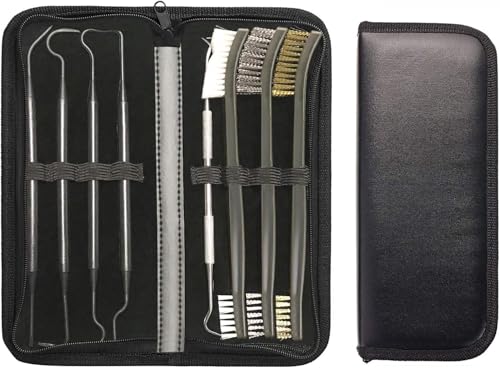
- Crab cleaning brush and pick set


Before You Start
Choose fresh or previously frozen soft shell crabs that have been thawed safely in the refrigerator. Rinse crabs under cold running water just before cleaning. Keep a damp cloth nearby to wipe hands and work surfaces. Avoid cross-contamination by using separate cutting boards for seafood and produce, and washing tools thoroughly after use. Time: 6–12 minutes per batch, depending on the number of crabs and their size.
Step-By-Step: How To Clean Soft Shell Crab
- Place the crab on a stable surface with the top shell facing up. Use a crab cracker tool to help break the shell edges if needed, but avoid crushing the body.
- Lift the apron and remove the small triangular flap at the front end. This is part of the abdomen and will be discarded.
- Remove the gill plates along the sides. Gills are feathery and should be discarded to improve texture and flavor.
- Turn the crab over and check the underside for any remaining organs. Use the crab cleaning brush and pick set to gently scrape away any debris.
- Clean the interior cavity with cold water while continuing to remove any stubborn bits with the pick. Rinse until the water runs clear.
- Pat the crabs dry with a clean towel or paper towels. Drying helps achieve a crisp exterior when pan-searing or frying.
- Separate any meat from the shell if desired, or leave the body intact for stuffing and broader flavor.
- Repeat for remaining crabs, keeping cleaned portions aside while you finish the batch.
Troubleshooting
| Symptom | Likely Cause | Fix | Prevention |
|---|---|---|---|
| Crab feels slimy after cleaning | Excess moisture on shell | Pat dry more thoroughly before cooking | Dry surfaces and hands during cleaning |
| Crab meat sticks to shell | Shell seams not opened fully | Gently pry with the crab cracker tool and pick | Open more carefully at the joints |
| Rough texture after cooking | Over-cleaning or over-handling | Handle minimally; trim only as needed | Work efficiently and keep meat intact |
| Crabs fall apart when handling | Shell fracture | Use a light touch; avoid excessive force | Use proper grip and stable surface |
Common Mistakes
- Over-cleaning or removing too much meat by accident
- Using hot water to thaw or clean crabs, which can cause tough texture
- Ignoring cross-contamination precautions between seafood and other foods
- Cooking soft shell crab immediately after cleaning without patting dry
Tips For Best Results
- Work in a clean, cool area to keep the crab meat tender.
- Keep a bowl of cold water handy for quick rinses and splash protection on surfaces.
- Lightly salt crabs after cleaning to enhance natural sweetness before cooking.
- If stuffing, gently deflate the body to create space without breaking the shell.
- Use a preheated pan with a thin coat of oil for a crisp exterior.
Call A Professional
Cleaning soft shell crab is straightforward, but seek professional help if crabs show strong odors, an unusual color, or if you are unsure about handling seafood safely. If you suspect spoilage or have dietary concerns, consult a seafood expert or your local market specialist.
FAQ
What is a soft shell crab?
Soft shell crabs are molted crustaceans where the entire shell is still soft, making the edible shell more tender than hard-shell varieties.
Can I clean soft shell crabs ahead of time?
Yes, but keep them refrigerated and use them within 24 hours for best texture and flavor.
Do I need to remove all shell pieces?
Remove large shell fragments and gills; small shell bits are usually edible but can affect texture.
What cooking methods work best after cleaning?
Lightly breaded and fried, sautéed, or quickly grilled styles work well with soft shell crabs.
Is it okay to cook whole after cleaning?
Yes, some prefer to cook whole with minimal stuffing for a delicate bite.
Should I discard the abdomen?
Yes, removing the abdomen excess helps improve texture and presentation.
Are there safety tips for handling raw seafood?
Keep cold, wash hands and surfaces frequently, and separate seafood from other foods to prevent contamination.
Buying Guide
When selecting tools to clean soft shell crabs, consider size, durability, and ease of cleaning. A good set includes stainless steel crab crackers, crab shears with a sheath, and a crab cleaning brush and pick set. Look for ergonomically designed handles, dishwasher-safe components, and rust-resistant materials. For best results, match tools to the volume of crabs you handle and your preferred cleaning speed. In addition to tools, ensure you have a stable workspace, a clean sink, and a ready supply of cold water.
Key buying factors include size and weight of the crab cracker tool, blade quality of the shears, and the bristle stiffness of the cleaning brush. Noise level and energy efficiency are less relevant for these hand tools, but ensure the brushes are durable and the sheaths fit securely for safe storage. Consider color-coding or labeled storage to keep tools organized and reduce cross-contamination in busy kitchens. For first-time buyers, a compact, all-in-one kit can provide a straightforward start without sacrificing performance.
Leave a Reply