How to Clean a French Drain for Optimal Drainage
French drains are essential for redirecting groundwater and protecting foundations from excess moisture. When a drain becomes clogged or slow, its effectiveness drops. This guide provides a practical, step-by-step approach to cleaning a French drain using common tools and safe practices. It covers preparing the area, clearing debris, and maintaining the system to extend its life.
Quick Answer
Assess the blockage, choose the right tool, and clear debris from the trench and perforated pipe. For stubborn clogs, use a combination of a drain snake and high-pressure water jetting nozzle to restore flow without damaging the liner.
What You’ll Need
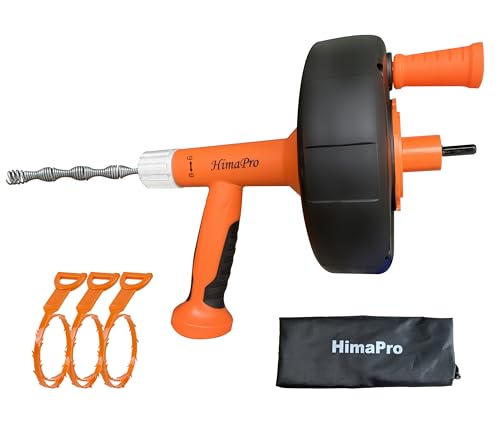
- French drain cleaning tool auger 25 ft snake
- drain snake kit flexible auger 1/4 inch to 3/8 inch for clogged drains
- high pressure water jetting nozzle for drain cleaning French drain


Before You Start
Before beginning, identify the drain’s access point and protect nearby soil and landscaping. Wear gloves and eye protection, and turn off any nearby irrigation or sump pump to avoid accidental backflow. Time estimates vary by length and clog severity, typically 1–3 hours for a standard residential trench. Critical cautions include avoiding damage to the perforated pipe, not forcing tools through crushed sections, and stopping if the trench walls or pipe show signs of compromise.
Step-By-Step: How To Clean A French Drain
- Locate the cleanout or access point along the French drain and remove the cap carefully.
- Inspect the trench visually for obvious debris such as leaves, dirt, or sediment buildup near the intake.
- Insert a flexible drain snake into the cleanout and feed it slowly toward the drain line, rotating to help break up compacted material.
- Move the snake along the trench in small increments, pausing to retrieve and clear debris as needed.
- If resistance is encountered, retract slightly, then reinsert at a different angle to reach the clog from multiple directions.
- For stubborn clogs, attach a high pressure water jetting nozzle and carefully flush the line, starting at low pressure and increasing gradually while keeping the nozzle pointed away from the pipe edges to prevent damage.
- Continue flushing until clear water discharges from the outlet or cleanout, indicating restored flow.
- Reassemble the cleanout cap and test the system by running water from a nearby drainage source or garden hose to confirm steady disposal.
- Backfill the trench if necessary, ensuring the gravel layer remains around the pipe to promote proper drainage.
- Schedule a periodic inspection, especially after heavy storms or seasonal changes, to prevent future blockages.
- Document the process and any observations to guide future maintenance and repairs.
Troubleshooting
| Symptom | Likely Cause | Fix | Prevention |
|---|---|---|---|
| Water backs up at the surface | Clog in trench or outlet | Clean line with snake and jetting, verify outlet is clear | Regularly clear leaves and sediment from intake |
| Limited flow despite cleaning | Crushed pipe or collapsed trench | Replace damaged sections, repair trench bed | Avoid heavy machinery over drain path |
| Gurgling sounds after rain | Air trapped in line or incomplete grading | Regrade area to ensure proper slope and venting | Improve surface grading around the drain |
| Frequent blockages | Organic buildup or improper filter fabric | Install a finer sediment trap or replace with appropriate filter material | Regular seasonal cleaning |
Common Mistakes
- Using excessive force with the auger, risking pipe damage
- Ignoring the outlet or cleanout access, which can mask deeper problems
- Rushing the jetting process and causing soil displacement
- Neglecting safety gear, particularly eye protection during high-pressure flushing
Tips For Best Results
- Work with visible access points first to minimize digging and disruption
- Combine mechanical and hydraulic cleaning methods for tough clogs
- Keep gravel and filter fabric intact to prevent future sediment intrusion
- Perform maintenance during dry weather to better control backflow risks
- Document tool diameters and lengths for future reference and consistency
Call A Professional
Consider contacting a professional if signs of structural damage appear, such as cracked pipes, severe trench collapse, or repeated blockages despite cleaning. Stop and seek expert help if there is persistent backflow into living areas or if the drain path crosses utility lines. A pro can perform CCTV inspection, precise replacements, and ensure code-compliant installation.
FAQ
What is the typical lifespan of a French drain after cleaning?
With proper maintenance, a French drain can function effectively for many years, though performance depends on soil conditions and usage.
Can I use household cleaners to maintain a French drain?
Household cleaners are not recommended for drainage systems; stick with mechanical cleaning and water jetting as needed.
How often should a French drain be inspected?
Annual inspections are common, with more frequent checks after storms or heavy rainfall.
Is it okay to refill the trench immediately after cleaning?
Yes, but ensure the trench is stable and the area is properly compacted to prevent future settling.
Buying Guide
Key Buying Factors
When selecting tools for cleaning a French drain, consider the length and flexibility of the auger, the nozzle’s compatibility with your hose, and the durability of the drain snake kit. A complete kit with a 25 ft snake provides reach for typical residential trenches, while a flexible 1/4 inch to 3/8 inch auger accommodates various clog types. Evaluate tool weight, ergonomics, and the ability to transition between mechanical snaking and high-pressure flushing. For many homeowners, a combination of a long snake and a high-pressure nozzle offers the versatility needed for routine maintenance and stubborn blockages.
Size And Capacity
Match the auger length to the drain length and depth. Longer snakes reach deeper sections, reducing the need for trench digging. Ensure your nozzle and hose can deliver adequate pressure without damaging pipe seams.
Noise, Energy And Efficiency
Hydraulic jetting uses an external water supply, so consider the stability of water pressure and the noise associated with spray and motorized equipment. Efficient tools minimize water waste and reduce cleanup time.
Controls And Handling
Look for user-friendly handles, smooth feeding mechanisms, and secure locking for quick changes between tools. A kit with clearly labeled components helps prevent missteps during maintenance.
Placement And Storage
Store tools in a dry, accessible area near the drain access point. Keep hoses and nozzles neatly coiled to prevent tangling and damage. A compact storage container can improve readiness for the next inspection.
Leave a Reply