How to Get Rid of Hair Algae in a Freshwater Aquarium
Hair algae in freshwater tanks can be a sign of imbalanced nutrients, lighting issues, or insufficient maintenance. This guide provides practical, step-by-step techniques and tools commonly used by hobbyists to reduce and prevent hair algae growth while keeping fish and plants healthy. By combining routine cleaning with targeted tools, hobbyists can regain clear, vibrant water.
Quick Answer
Effective control combines light management, nutrient balance, and mechanical removal. Use a magnetic algae cleaner for quick glass cleanup, an aquarium algae scraper with a replaceable blade for stubborn spots, and a plastic-bristle algae brush for delicate decorations and plants. Regular maintenance and gradual adjustments yield the best long-term results.
What You’ll Need
- Magnetic algae cleaner for freshwater aquarium glass
- Aquarium algae scraper with replaceable blade 3-inch
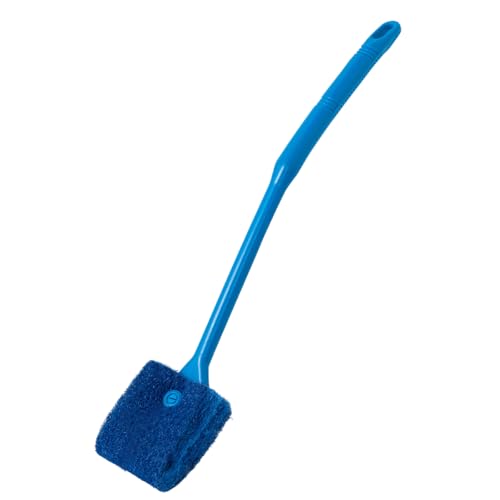
- Plastic-bristle algae brush for freshwater aquarium
- Water testing kit (for nitrates, phosphates, ammonia, pH)
- Water conditioner and, if needed, a biological media upgrade
- Quality aquarium substrate and live plants (optional but helpful)


Before You Start
Before beginning, assess the tank’s dimensions, lighting period, and nitrate/phosphate levels. Hair algae thrives under strong, prolonged lighting and elevated nutrients. Always turn off equipment before cleaning to prevent injury or stress to fish, and remove affected decorations carefully to avoid disturbing beneficial biofilm. Plan this in a multi-day routine rather than a single heavy scrub to minimize stress on inhabitants.
Step-By-Step: How To Get Rid Of Hair Algae
- Turn off the aquarium lights and unplug equipment briefly to reduce stress and prevent new growth during cleaning.
- Use the magnetic algae cleaner for freshwater aquarium glass to remove the majority of hair algae from walls. Glide slowly to avoid scratching and rinse the cleaner’s pad as needed.
- With the aquarium algae scraper with replaceable blade 3-inch, target stubborn strands along the glass edges, corners, and hard-to-reach spots. Replace blades when dull to prevent scratches.
- Inspect decorations and plants. Gently brush larger clumps with the plastic-bristle algae brush for freshwater aquarium to avoid tearing delicate growths or releasing excessive debris.
- Test water parameters. If nitrates or phosphates are elevated, perform a partial water change (about 20–30%) and consider adjusting feeding routines and filtration.
- Replace or clean mechanical filtration media if clogged. A cleaner filter promotes better circulation and nutrient removal, helping deter regrowth.
- Consider plant optimization. Introducing or expanding fast-growing, low-maintenance aquatic plants can naturally outcompete hair algae for nutrients.
- Stabilize light exposure. If the tank receives strong or lengthy lighting, reduce daily light to 6–8 hours and avoid direct glare from windows.
- Monitor regularly. Re-check water chemistry after 1–2 weeks and repeat the cleaning routine as needed, staying mindful of not over-cleaning which can disrupt beneficial bacteria.
- Address nutrient sources. Correct any overfeeding habits and ensure the aquarium maintenance schedule includes routine water changes and substrate cleaning.
- When the algae persists, consider a controlled dosing or targeted approach only after confirming water quality issues with a test kit.
Troubleshooting
| Symptom | Likely Cause | Fix | Prevention |
|---|---|---|---|
| Hair algae returns quickly | Excess nutrients or too much light | Adjust feeding, reduce light exposure, run a nitrate/phosphate test | Schedule consistent maintenance and avoid over-illumination |
| Algae clings to plants | Imbalanced nutrients | Trim affected tissue and improve plant competition | Enhance plant density and light balance |
| Scratches on glass after cleaning | Rough blade or pad contact | Switch to new blade and use softer pads for delicate areas | Gentle, steady strokes and correct tool use |
| Unclear water after cleaning | Debris released during scrubbing | Do a small water change and use a gentle filter to capture particulates | Clean in steps and avoid over-disturbance |
Common Mistakes
- Overestimating the impact of a single cleaning session; hair algae often require ongoing management.
- Relying on one tool alone; combining tools yields faster results without damaging surfaces.
- Neglecting water quality in favor of mechanical removal; poor chemistry undermines long-term control.
- Using overly aggressive blades or brushes on delicate plants or corals in mixed tanks.
Tips For Best Results
- Pair mechanical removal with nutrient control: reduce feeding amounts and monitor nutrient levels with a reliable test kit.
- Increase plant mass or add fast-growing plant species to compete for available nutrients and light usage.
- Stagger maintenance tasks across several days to minimize stress to tank inhabitants.
- Keep a routine calendar for water changes and filter maintenance to maintain consistent water quality.
Call A Professional
Contact a professional if hair algae covers more than 50% of the tank surfaces for an extended period, if water chemistry remains out of balance after multiple changes, or if the tank hosts sensitive species that are not responding to standard interventions.
FAQ
What causes hair algae in freshwater tanks?
Hair algae typically grows when nutrients like nitrates and phosphates are elevated and lighting is strong or prolonged, allowing algae to outcompete other organisms.
Will removing hair algae harm fish or plants?
Proper, gentle cleaning with the right tools minimizes risk to fish and plants; avoid aggressive scrubbing and sudden changes in water chemistry.
How often should I clean hair algae from a tank?
Frequency depends on the tank, but weekly minor cleanups plus monthly deeper cleanings with water tests help prevent buildup.
Can adding live plants help control hair algae?
Yes, healthy, fast-growing plants consume excess nutrients and can help reduce hair algae when combined with proper lighting control.
Should I use chemical algaecides for hair algae?
Chemical treatments can disrupt beneficial bacteria and harm livestock; mechanical removal plus nutrient management is recommended first.
Is a bigger filter or more water changes better for prevention?
Both can help; balance filtration with regular water changes to maintain stable water chemistry and low nutrient levels.
Buying Guide
Choosing the right tools for controlling hair algae in a freshwater aquarium involves considering tank size, maintenance habits, and how you plan to manage light and nutrients. Below are factors to guide your selection and comparisons among tools:
Size and compatibility
Select a magnetic algae cleaner for freshwater aquarium glass that fits your tank width and glass thickness. Larger tanks benefit from longer reach handles, while smaller tanks require compact designs to avoid over-scrubbing.
Effectiveness and ease of use
The aquarium algae scraper with replaceable blade 3-inch provides precision for tight corners. A plastic-bristle algae brush for freshwater aquarium is gentler on plants and decorations. For routine glass cleaning, magnets offer quick, non-contact maintenance.
Maintenance and durability
Inspect blades and bristles for wear and replacement frequency. Choose tools with readily available spare parts to reduce downtime and maintain consistent cleaning performance.
Impact on aquarium health
Tools should minimize disturbance to beneficial bacteria. Favor mechanical removal over chemical treatments and keep water quality under close observation to sustain a healthy balance.
Noise, energy, and placement
Consider quiet magnetic cleaners and hand tools if the tank is in a living area. Ensure tools are stored in a dry place and easily accessible during routine maintenance.
Would you like help selecting the right combination for your specific tank size and lighting schedule? Share your tank measurements and current maintenance routine, and this guide can tailor tool recommendations.
Leave a Reply