How to Bathe a Baby Girl Safely and Gently
Bathing a newborn or infant requires care, calm preparation, and the right tools. This guide walks through a practical, step-by-step approach tailored for baby girls, focusing on safety, comfort, and cleanliness during bath time.
Quick Answer
Prepare a warm, stable bathroom environment, gather gentle bath essentials, test water temperature with a digital bath thermometer, and use a soft silicone brush and cotton washcloths for cleaning sensitive areas. Keep everything within arm’s reach and never leave the baby unattended in the water.
What You’ll Need
- Silicone baby bath brush soft bristle for infants
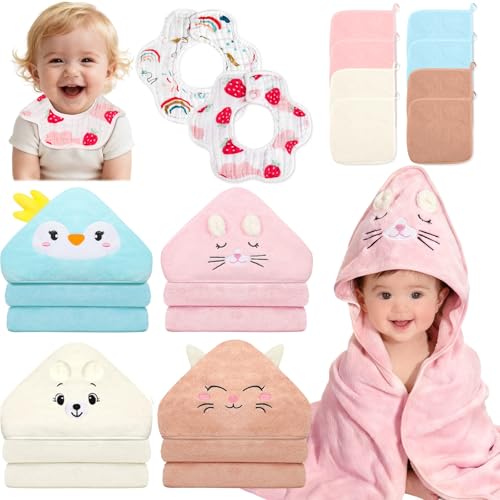
- Infant bath washcloth set cotton newborn gentle washcloths 8 pack
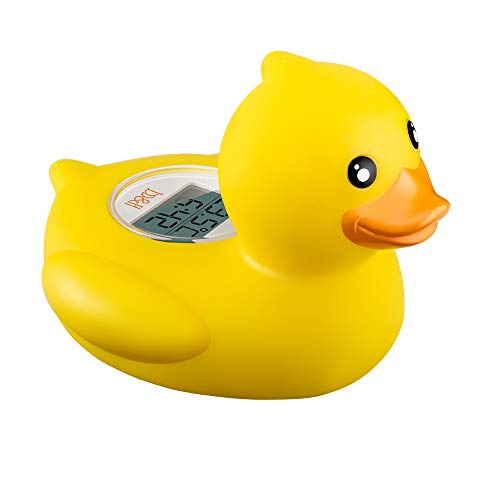
- Digital baby bath thermometer for infants

Before You Start
Establish a safe, comfortable bath area: a warm room (around 75–80°F / 24–27°C), a shallow tub or sink filled with a few inches of warm water, and a non-slip mat. Always test the water with the digital bath thermometer before touching the baby. The ideal water temperature is about 98–100°F (37–38°C). Never leave the baby unattended in or near water, even for a moment. Have a clean towel, clean clothes, and any bath products ready before you begin.
Step-By-Step: How To Bathe A Baby Girl
- Lay your baby on a secure, comfortable surface or in a shallow tub, supporting the head and neck.
- Gently wet the hair and body with warm water, using the silicone baby bath brush to softly wash the scalp and remove any flakes without scrubbing hard.
- Apply a small amount of mild, fragrance-free baby cleanser to the washcloth and lather it gently on the body, starting with the face, then neck, arms, torso, legs, and finally the diaper region.
- Use a fresh washcloth for the diaper area to avoid irritation; cleanse from front to back to keep bacteria away from the genital area.
- Rinse the body with clean, warm water using the washcloth or cup to remove all soap residue.
- Dry the baby promptly with a soft towel, patting rather than rubbing to protect delicate skin; lightly apply a baby-safe moisturizer if skin feels dry.
- Wash and dry the hair as needed, combing gently with a soft brush if used, and ensure all creases are dry to prevent irritation.
- Dress the baby in clean clothing and monitor for any signs of discomfort or irritation after the bath.
Troubleshooting
| Symptom | Likely Cause | Fix | Prevention |
|---|---|---|---|
| Creaky skin or irritation after bath | Soap residue or over-washing | Use milder cleansers and rinse thoroughly | Limit bath time to 5–10 minutes |
| Baby becomes fussy during bath | Water temperature or lighting | Check thermometer and adjust to warm, dim lighting | Keep sessions short and soothing |
| Diaper area rash after bath | Over-wiping or irritants | Choose dye-free, fragrance-free products; wipe gently | Pat dry and apply barrier cream if needed</ |
| Water too warm or cool | Thermometer not accurate | Recheck temperature and adjust | Test with skin then proceed |
Common Mistakes
- Using hot water or skipping temperature checks
- Leaving the baby unattended near water
- Over-soaping sensitive areas or not rinsing well
- Using adult products not formulated for babies
- Rushing through steps and causing discomfort
Staying calm and prepared helps prevent these missteps and makes bath time a positive routine for both caregiver and baby.
Tips For Best Results
- Keep the silicone bath brush handy to gently exfoliate the scalp and skin without scratching.
- Use the 8-pack infant bath washcloths for gentle cleansing and quick drying; designate one cloth for the face to avoid transferring irritants to the eyes or mouth.
- Rinse thoroughly and ensure all soap is removed to prevent residue on skin folds.
- Maintain a consistent bath routine to help the baby feel secure and calm during cleansing.
Call A Professional
Contact a pediatrician if the baby shows signs of persistent rash, unusual skin color, fever, or prolonged fussiness after baths. Seek immediate care if there are signs of difficulty breathing, swelling, or severe irritation around the diaper area or genitals.
FAQ
Is it okay to bathe a newborn daily?
Newborns do not require daily baths; 2–3 times per week can suffice in early weeks, with spot-cleaning between baths as needed.
What if the water temperature changes during the bath?
Pause, re-check the thermometer, adjust the water to the correct temperature, and resume gently.
Can I use scented products on my baby?
Avoid scented products; opt for fragrance-free, hypoallergenic options formulated for infants.
When should bath time be avoided?
Avoid baths if the baby is sick, extremely fussy, or has a skin infection or open wounds; consult a pediatrician for guidance.
Buying Guide
When choosing bath supplies for a baby girl, consider size, safety, and comfort. Look for a compact silicone brush with soft bristles that is gentle on sensitive skin, and ensure the infant washcloths are soft, hypoallergenic cotton. A reliable digital baby bath thermometer helps maintain a safe water temperature and reduces guesswork. Consider the following factors:
- Size and design: compact brushes and washcloths sized for tiny hands and faces; non-slip handles help with control.
- Noise level (thermometer): quiet operation is ideal for calm bath sessions.
- Energy efficiency: battery-powered thermometers with long life reduce frequent replacements.
- Controls and readability: large, clear displays and simple controls for quick checks.
- Placement: keep bath essentials within arm’s reach to avoid leaving the baby unattended.
Leave a Reply