How to Get Rid of Tar Smell in House
Tar odors in a home can linger after exposure to smoke from roads, fireplaces, or industrial sources. Removing the smell involves a combination of containment, ventilation, and targeted odor control. This guide provides practical steps Americans can follow to reduce tar smells effectively and safely.
Quick Answer
Use an odor eliminator spray for tar smell on affected surfaces, pair with activated charcoal odor absorber bag for strong odors in rooms, and run a HEPA air purifier with activated carbon filter for tar smoke odor removal to capture particles and odors. Maintain fresh air flow and repeat treatments as needed for best results.
What You’ll Need
- Odor eliminator spray for tar smell
- Activated charcoal odor absorber bag for strong odors
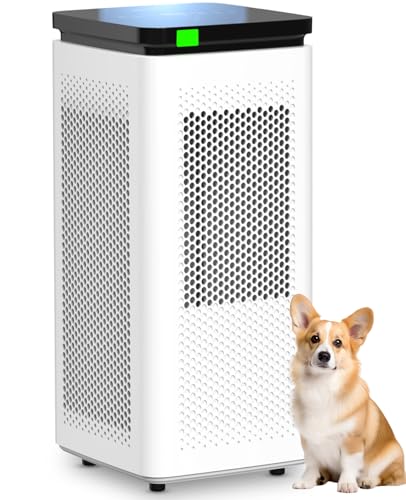
- HEPA air purifier with activated carbon filter for tar smoke odor removal
- Clean microfiber cloths and disposable gloves
- Mop, bucket, and mild cleaning solution
- Open windows or mechanical ventilation (fans)
- Sealable plastic bags or trash bags for contaminated items


Before You Start
Plan to ventilate the area thoroughly. Tar odors can cling to fabrics, carpets, and porous surfaces, so consider sealing off affected rooms if possible. Wear protective gloves and avoid mixing cleaners with unknown chemicals. Expect multiple sessions—tar smell can be persistent, especially in enclosed spaces. Time estimates vary from a few hours to a full day depending on room size and odor intensity.
Step-By-Step: How To Get Rid Of Tar Smell In House
- Isolate the area to prevent the odor from spreading to adjacent rooms. Close doors and vents where feasible.
- Ventilate first by opening windows and running any exhaust fans. If safe, create a cross-breeze to push odor outdoors.
- Apply odor eliminator spray for tar smell to hard surfaces, walls, and ceilings. Follow label directions and test a small area first.
- Wipe surfaces with a damp microfiber cloth after the spray to remove loosened residue; allow to dry completely.
- Place activated charcoal odor absorber bag for strong odors in strategic spots—near the source, in hallways, and in rooms with soft furnishings.
- Run the HEPA air purifier with activated carbon filter for tar smoke odor removal in affected rooms. Leave it running for several hours, then reassess.
- Extract fabrics and textiles if possible. Launder clothing, drapes, and throw blankets; consider professional cleaning for upholstery if odors persist.
- Vacuum carpets and rugs with a vacuum that has a sealed system or HEPA filtration to capture particles that carry odor.
- Replace or clean air filters in the purifier and vacuum equipment as needed. Repeat treatments weekly until odor diminishes.
- Assess secondary sources like furniture, curtains, or insulation; replace or refresh as needed if odor remains.
- Document locations of strongest odors and re-treat those areas as part of a maintenance routine.
- For persistent odor, consider professional remediation services to assess structural sources and deeper contamination.
Troubleshooting
| Symptom | Likely Cause | Fix | Prevention |
|---|---|---|---|
| Odor lingers after cleaning | Porous materials absorbed tar | Focus treatment on fabrics and insulation; consider enzyme-based cleaners | Seal off rooms during initial cleaning; use continuous filtration |
| Purifier seems ineffective | Filter outdated or wrong type for tar odors | Replace with activated carbon filter; run purifier longer | Place purifier centers in high-odor zones |
| Visible residue on surfaces | Tar residue remains | Reapply odor eliminator spray; wipe and dry thoroughly | Clean promptly after exposure |
| Odor returns after a few days | Hidden source or walls contaminated | Investigate hidden cavities; consider professional assessment | Address sources promptly; improve ventilation |
Common Mistakes
- Overlooking fabric and upholstery in odor control plans
- Relying on a single cleaning pass for strong tar smells
- Using bleach or ammonia together with tar odor products
- Blocking ventilation in an attempt to contain smell
Address tar odors with a multi-pronged approach, repeating treatments as needed and focusing on both hard surfaces and porous materials.
Tips For Best Results
- Use multiple odor control methods simultaneously for faster results.
- Target both source areas and surrounding rooms to prevent rebound odors.
- Keep humidity under control; dry air helps odor molecules settle.
- Rotate placement of odor absorber bags to maximize coverage.
- Label treated areas to track which surfaces have been addressed.
Call A Professional
Consider contacting a professional if any of the following occur: tar odor persists after repeated treatments, there is suspected structural contamination, or there are signs of mold or moisture damage alongside the odor. Persistent odors can indicate hidden sources that require specialized equipment and expertise.
FAQ
What is the fastest way to remove tar smell from a room?
Ventilate the space, apply an odor eliminator spray for tar smell to hard surfaces, and use a HEPA air purifier with an activated carbon filter while placing activated charcoal odor absorber bags in the area.
Can activated charcoal bags really absorb tar odors?
Yes, activated charcoal is effective at adsorbing many organic odors, especially when placed near the odor source and in combination with airflow.
Will cleaning the surfaces remove tar smell completely?
Cleaning helps, but odors can persist in porous materials; combining surface cleaning with air filtration yields better results.
Should I replace textiles like curtains or carpets?
If odors are embedded and persistent, replacing or professionally cleaning textiles may be necessary.
How long does it take to restore air quality?
It varies by room size and odor severity, typically ranging from several hours to a few days with consistent treatment.
Is it safe to use odor eliminator sprays around children or pets?
Follow label instructions and keep the area well-ventilated when used around people and pets.
Can I use a humidifier to improve odor removal?
Moderate humidity can help but excessive moisture may worsen odors; monitor humidity levels to avoid mold growth.
Buying Guide
Key buying factors for tar odor control include size and coverage area, noise level, energy efficiency, control options, and placement flexibility. When choosing products, consider how well each item addresses both the tar odor source and ambient air quality.
Size and coverage: Look for odor eliminator sprays with broad coverage for walls and ceilings, and portable odor absorbers that can be relocated. For purifiers, prioritize models with higher CADR and a true HEPA filter combined with activated carbon to target tar odors effectively.
Noise and energy: If the device runs continuously, select models designed for low noise and energy efficiency. This helps maintain a comfortable living environment while removing odors.
Controls: Simple spray apps and easy-to-change filters reduce downtime between treatments. A purifier with timer and adjustable fan speeds offers more flexibility.
Placement: Place purifiers in rooms with the most odor, and position charcoal bags near sources. Ensure good airflow by avoiding blocked vents or clutter around devices.
Multi-product approach: Combining an odor eliminator spray for tar smell, activated charcoal odor absorber bags, and a HEPA air purifier with activated carbon filter creates a comprehensive remediation strategy that covers surfaces, fabrics, and air.
Leave a Reply