How to Get Rid of Aquarium Odor
Maintaining a fresh-smelling home aquarium depends on a combination of proper filtration, routine cleaning, and mindful maintenance. This guide walks through practical steps to reduce and prevent odor, helping you keep your aquatic setup healthy for fish and pleasant for you.
Readers will find a clear, step-by-step approach, plus a quick reference on what to buy and how to use common tools to maintain water clarity and aroma-free water.
Quick Answer
eliminate odor by improving filtration, removing debris, and performing regular water changes. Start with a carbon-based deodorizer, then add mechanical cleaning tools and a careful siphon routine to sustain fresh water between full water changes.
What You’ll Need
- Activated carbon aquarium filter media deodorizer canister
- Gravel siphon aquarium cleaning tool kit
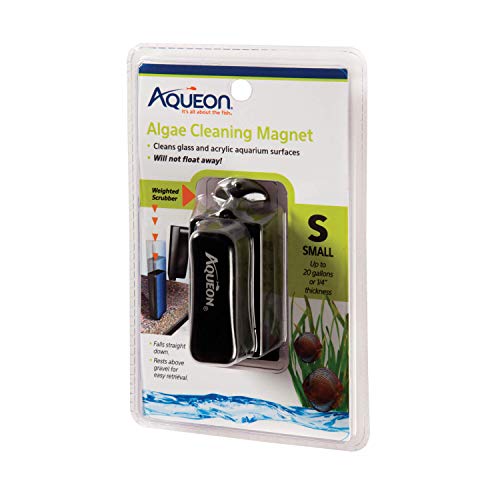
- Magnetic algae scraper aquarium cleaning tool

![QZQ Aquarium Gravel Cleaner [2025 Edition] Vacuum Fish Tank Vacuum Cleaner Tools for Aquarium Water Changer with Aquarium Thermometers Fish Net kit Use for Fish Tank Cleaning Gravel and Sand](https://m.media-amazon.com/images/I/51S+2N20RtL._SL500_.jpg)
Before You Start
Before beginning any cleaning, turn off power to filtration equipment and unplug heaters or other devices as a safety precaution. Check that your tank inhabitants are not distressed by handling routines. Plan cleaning to minimize stress and avoid disrupting beneficial bacteria colonies. Time estimates vary, but most routine odor control tasks take 30–90 minutes, depending on tank size and condition. Critical cautions include avoiding drastic temperature changes and never boiling or sanitizing fish with household cleaners.
Step-By-Step: How To Get Rid Of Aquarium Odor
- Assess the smell and look for obvious sources, such as dead plant material or uneaten food at the substrate surface.
- Replace a portion of the water with a fresh supply that has been treated for chlorine and chloramine if your city uses treated water.
- Install or refresh activated carbon media in the filter canister to adsorb odor-causing compounds.
- Use the gravel siphon aquarium cleaning tool kit to vacuum the substrate and remove settled waste without disturbing beneficial bacteria.
- Clean the glass and any decorations with a magnetic algae scraper aquarium cleaning tool to improve visibility and reduce contaminated surfaces that harbor odors.
- Check filtration flow and ensure the filter media are not clogged; rinse or replace media according to the manufacturer’s guidance.
- Perform a partial water change (15–25%) every few days for a couple of weeks if odor persists, while monitoring ammonia, nitrite, and nitrate levels.
- Add compatible aquarium additives only when needed and as recommended by your tank’s ecosystem to avoid upsetting the biofilter balance.
- Maintain a routine schedule: weekly substrate cleaning, monthly filter media checks, and regular water testing to prevent odor buildup over time.
- Reassess after a few weeks to determine if the odor changes with adjustments in cleaning frequency or filtration setup.
- Keep a log of maintenance tasks to identify patterns that lead to odor resurgence and adjust practice accordingly.
Troubleshooting
| Symptom | Likely Cause | Fix | Prevention |
|---|---|---|---|
| Persistent smell after water changes | Accumulated substrate waste or decaying matter | Thorough gravel cleaning and targeted partial water changes | Schedule regular substrate maintenance |
| Cloudy water | New biofilm growth or overfed fish | Let filtration run longer and reduce feeding; perform gentle polishing with filter media | Feed sparingly and monitor biofilter maturity |
| Filter odor after cleaning | Displaced beneficial bacteria or clogged media | Rinse media in tank water (not tap water) and replace media as needed | Keep consistent media maintenance schedule |
| Strong sulfurous smell | Anaerobic pockets in substrate | Increase water movement and perform deeper substrate cleaning | Avoid over-cleaning, maintain aerobic zones in substrate |
Common Mistakes
- Overfeeding leading to excess waste and ammonia spikes
- Using harsh chemicals or soaps near the tank
- Neglecting substrate cleaning, allowing decaying material to build up
- Relying solely on water changes without improving filtration
Tips For Best Results
- Run activated carbon as part of routine filter maintenance to tackle odors at the source
- Keep the substrate clean with regular siphoning to prevent rancid material from accumulating
- Maintain stable water parameters; stable conditions reduce stress and odor buildup
- Position the aquarium away from strong odors in the room to help perception of fresh air
- Use a test kit to monitor ammonia, nitrite, nitrate, and pH as part of odor control
Call A Professional
Consider contacting a professional if you notice persistent odors despite thorough cleaning, if ammonia or nitrite tests show unsafe levels, or if the tank inhabitants display ongoing stress. Seek expert advice for severe algae blooms, mysterious water chemistry shifts, or equipment failures that require advanced diagnostics.
FAQ
What causes aquarium odor?
Odor typically arises from decomposing organic material, poor filtration, or imbalanced water chemistry.
Can activated carbon alone stop odors?
Activated carbon helps, but it’s most effective when combined with regular cleaning and proper filtration.
How often should I clean the gravel?
Clean gravel during a dedicated substrate cleaning session about every 1–2 weeks, depending on tank size and waste load.
Is it safe to use household cleaners if the tank smells?
No. Household cleaners are toxic to fish and should never be used near aquariums; use aquarium-specific products and water changes instead.
Should I replace filter media after odor issues?
Only replace media according to the manufacturer’s guidance; improper replacement can disrupt the beneficial bacteria balance.
Buying Guide
When choosing gear to combat aquarium odor, consider several factors to fit your tank’s needs and living space. The size of the tank determines the capacity of filter media and the frequency of maintenance. Noise level matters for tanks in living rooms or bedrooms. Look for energy-efficient filtration systems that balance performance and running costs. Controls should be user-friendly, with visible indicators for filter status and maintenance reminders. Placement matters: position equipment so it maximizes water movement and access for maintenance while avoiding direct sunlight or heat sources that can promote algae growth.
In practice, a combination approach often yields the best results: a deodorizing filter media with reliable mechanical cleaning tools, plus a routine cleaning schedule. Compare options by compatibility with your tank’s size, the ease of use of tools, and the availability of replacement parts. If you have a planted or heavily stocked tank, you may need more frequent maintenance and higher-capacity filtration. Consider starter kits that bundle essential tools for beginners and upgrade paths for larger or more demanding setups.
Leave a Reply