How to Clean Mechanics Clothes Efficiently
Mechanics often deal with stubborn oils and grease that can set into overalls, coveralls, and other work garments. Proper cleaning methods protect fabric, extend service life, and keep uniforms presentable. This guide explains practical steps to remove tough stains while preserving fabric integrity, using common workwear cleaners designed for oil and grease challenges.
Quick Answer
Target oil and grease fast with a dedicated stain remover spray for work clothes, then follow with a grease removal degreaser for workwear. Finish with a firm brushing and an appropriate wash cycle to maximize results.
What You’ll Need
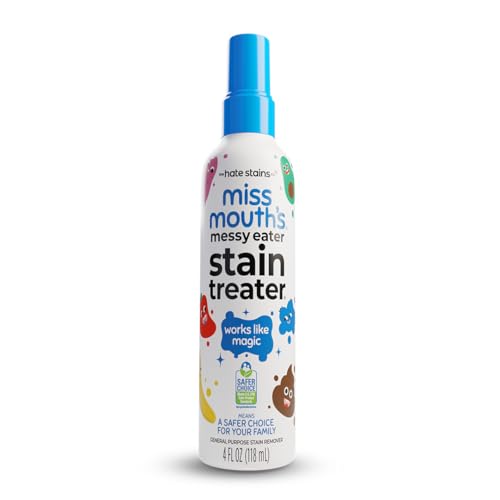
- Oil stain remover spray for work clothes
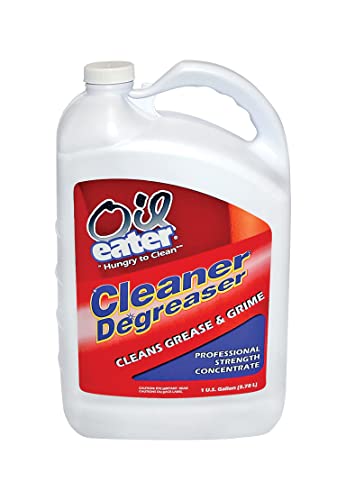
- Grease removing degreaser for workwear
- Laundry brush for grease stains on mechanic overalls
- Cold to warm water, and a mild detergent
- Optional fabric-safe stain pretreaters

Before You Start
Inspect the fabric and test cleaners on an inconspicuous area first to avoid color fading. Pre-treat stains as soon as possible—grease is easier to lift when fresh. Avoid hot water on grease stains, which can set them. Work in a well-ventilated area when using degreasers. Plan for a multi-step process if stains are heavy, and allow drying time between treatments when needed.
Safety note: Wear gloves and eye protection if using strong degreasers. Read all product labels for proper dilution and compatibility with fabric.
Step-By-Step: How To Clean Mechanics Clothes Efficiently
- Inspect stains and identify areas with heavy grease, oil, or dirt. Mark spots if needed for targeted treatment.
- Pre-treat with oil stain remover spray for work clothes. Apply directly to stained areas and let sit for 5–10 minutes to loosen oil bonds.
- Apply grease removing degreaser for workwear to especially tough spots. Gently rub with a laundry brush for grease stains on mechanic overalls to work the formula into the fibers.
- Rinse or blot with cool or lukewarm water to remove loosened grease. Avoid hot water at this stage to prevent setting.
- Wash on an appropriate cycle using a detergent formulated for workwear fabrics. Select an warm-cool wash temperature recommended by the fabric care label.
- Check before drying. If stains persist, repeat the pretreatment and washing cycle. Do not tumble-dry until stains are gone, as heat can set them.
- Air-dry or line-dry in a shaded area to prevent fabric fading. If lingering odors remain, repeat the wash with a fresh dose of detergent and a stain remover.
- For repeat stains, consider a second wash cycle with a heavier-duty degreaser, following all manufacturer instructions and fabric care guidelines.
- Spot-check after washing to ensure stain removal before additional wear. If necessary, repeat the process on stubborn areas.
- Maintain gear by treating stains promptly and storing clean garments separately to avoid cross-contamination with new stains.
- Finish with a routine wash schedule to keep mechanics clothes looking fresh and professional.
Troubleshooting
| Symptom | Likely Cause | Fix | Prevention |
|---|---|---|---|
| Stains persist after wash | Grease trapped in fibers | Repeat pretreatments and wash cycle with degreaser | Pre-treat immediately, use appropriate temps |
| Fabric faintly stiff after washing | Detergent residue or heavy grease | Rinse with extra water, or run an extra rinse | Use correct detergent amount |
| Color fading on patches | Overuse of harsh degreaser | Switch to milder degreaser and dilute per label | Test on inconspicuous area first |
| Odor remains | Residual oils | Pre-treat with oil remover and rewash | Ventilate while treating and washing |
Common Mistakes
- Using hot water on grease stains, which can set them
- Skipping pre-treatment and jumping straight to washing
- Over-scrubbing with brushes on delicate fabrics
- Mixing cleaners that aren’t fabric-safe
Tips For Best Results
- Treat stains as soon as possible for the best liftability
- Use a dedicated stain remover for work clothes to target oil bonds
- Pair a grease degreaser with a rigid brush to work the fabric fibers
- Check garment care labels for temperature and solvent guidance
- Air-dry after washing to protect colors and fabric integrity
Call A Professional
Hard-to-remove stains that persist after multiple attempts may require professional cleaning, especially on delicate high-visibility fabrics or specialized uniforms. If the garment is expensive, has reflective strips, or shows signs of fiber damage, seek a professional cleaner with experience in workwear restoration.
FAQ
Can I use regular laundry detergent instead of a stain remover?
Regular detergent helps remove general dirt, but oil-based stains respond best to a specialized stain remover designed for work clothes.
Is it safe to use degreasers on all workwear?
Most workwear fabrics tolerate degreasers, but always check the garment label and test on a hidden area first.
How can I remove odors after oil stains?
Rinse, re-wash with a fresh detergent, and air-dry in a ventilated area to reduce lingering smells.
Should I dry-clean mechanic overalls with persistent stains?
Dry-cleaning can be effective for stubborn stains on certain fabrics, but confirm fabric compatibility and cost considerations with the cleaner.
What temperature should I wash mechanic clothes at?
Follow the garment care label; typically warm to cool water works well for grease stains without harming fabric.
Can I reuse stain removers on the same garment?
Yes, but avoid over-treating; always rinse well between applications to prevent residue buildup.
Buying Guide
Choosing the right cleaning products for mechanics clothes depends on several factors. Consider the fabric type, the severity of stains, and how often the garments are cleaned. Common workwear materials include cotton blends and treated fabrics that balance durability with washability. For size, ensure proper fit for ease of movement during cleaning and maintenance of pockets and seams.
Key buying factors to compare include:
- Stain removal effectiveness for oil and grease, especially on durable workwear fabrics
- Odor control features to keep garments smelling fresh after heavy use
- Durability of fabrics and cleaning agents to prevent color fading or fiber damage
- Noise level and environmental impact of any integrated cleaning devices or concentrated formulas
- Controls and ease of use for pretreatment sprays, degreasers, and brushes
- Placement and storage considerations for cleaning supplies in a workshop
Consider a kit that combines an oil stain remover spray for work clothes, a grease removing degreaser for workwear, and a dedicated laundry brush for grease stains on mechanic overalls. This combination covers pretreatment, degreasing, and fiber-safe scrubbing, ensuring consistent results across typical mechanic garments.
Leave a Reply