How to Clean Polyester Upholstery Effectively
Polyester upholstery is a popular choice for living room furniture, offices, and everyday use due to its durability and affordable price. Proper cleaning helps maintain color, texture, and overall appearance. This guide provides practical, step-by-step methods using common tools and products that work well in American homes.
Quick Answer
Light stains respond to spot cleaning with mild detergent and water. Deeper or set stains may require a fabric steam cleaner or an upholstery cleaning machine designed for polyester. Always test in an inconspicuous area first and follow the fabric care label.
What You’ll Need
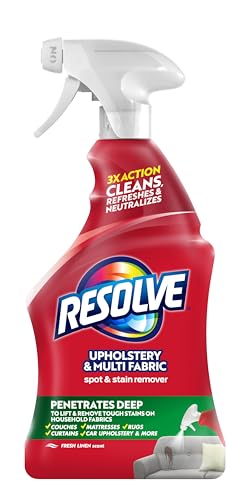
- Polyester upholstery stain remover spray
- Fabric steam cleaner for upholstery polyester
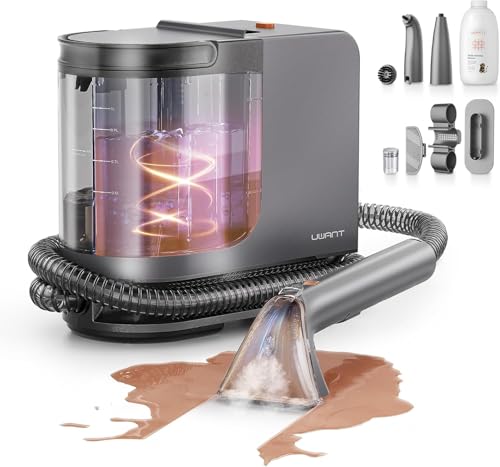
- Upholstery cleaning machine for polyester fabric
- Microfiber cloths
- Mild liquid detergent (or dish soap)
- Warm water
- Soft-bristle brush
- Spray bottle

Before You Start
Check the furniture’s care label for any cleaning restrictions. Do a spot test on a hidden area to ensure colorfastness and finish. Vacuum or brush away loose dirt and debris before applying liquids. Work on a clean, well-lit area and allow ample drying time to prevent mold growth. Time estimate: 60–180 minutes for initial cleaning, plus drying time.
Step-By-Step: How To Clean Polyester Upholstery
- Vacuum the surface thoroughly to remove dust, hair, and loose particles. A crevice tool helps reach seams and cushions.
- Mix a mild detergent solution: a few drops of detergent in warm water. Do not oversuds; excess moisture can damage padding and cause musty odors.
- Spot-test the solution on a hidden area. If the color fades or the fabric stiffens, stop and use a different method or seek professional cleaning.
- For light stains, spray a polyester upholstery stain remover spray onto the stained area and blot with a microfiber cloth. Work from the outside of the stain toward the center.
- For deeper stains, use a fabric steam cleaner for upholstery polyester. Follow the device instructions and clean in a slow, even sweep to lift soils without oversaturating the fabric.
- Gently brush the nap with a soft-bristle brush while the fabric is slightly damp to restore texture. Avoid scrubbing aggressively, which can damage fibers.
- Rinse lightly with a clean cloth and minimal water to remove residue. Blot until nearly dry, then allow air-drying in a well-ventilated area.
- Reassemble cushions and test the fabric after it dries. Repeat steps sparingly if stains persist, focusing on targeted areas rather than full saturation.
Troubleshooting
| Symptom | Likely Cause | Fix | Prevention |
|---|---|---|---|
| Stubborn stain remains after cleaning | Deep-set stain or dye bleed | Repeat targeted treatment with stain remover spray or consult a professional | Address stains promptly; blot, don’t rub |
| Fabric feels stiff after cleaning | Excess detergent residue | Rinse lightly and blot with clean water | Use minimal soap and thorough rinsing |
| Color faded after cleaning | Improper spot testing or harsh chemicals | Stop and consult care label or a fabric specialist | Test in inconspicuous area first |
| Persistent odor | Moisture trapped in padding | Increase drying time and improve air circulation | Ventilate and avoid over-wetting |
Common Mistakes
- Using hot water or high heat while cleaning, which can set stains and shrink fibers
- Over-wetting the fabric, delaying drying and risking mold
- Scrubbing aggressively, which damages the nap and fibers
- Ignoring the care label and using incompatible cleaners
Keep in mind that polyester is generally forgiving, but following proper steps helps preserve color and texture over time.
Tips For Best Results
- Always perform a spot test before applying any cleaner broadly.
- Use a fabric steamer or upholstery cleaning machine designed for polyester when dealing with tough stains.
- Let cushions dry completely before use; consider fans or dehumidifiers to speed up drying.
- Vacuum regularly to prevent soil buildup that can lead to more frequent cleanings.
- Rotate cushions to maintain even wear and appearance.
Call A Professional
Seek professional cleaning if: a stain covers a large area, odors persist after cleaning, or there is extensive soiling near seams. If the fabric care label advises against do-it-yourself methods, or if you notice dye transfer during cleaning, contact a specialist to avoid permanent damage.
FAQ
Is it safe to use a steam cleaner on polyester upholstery?
Yes, when used according to manufacturer instructions and on a suitable setting for upholstery fabrics.
How do I remove oil-based stains from polyester?
Blot gently, use a stain remover spray formulated for upholstery, and rinse lightly to remove residue.
Can I machine-wash polyester cushions?
Most cushions should not be machine-washed; check the care label and follow recommended cleaning methods.
How long does polyester upholstery take to dry after cleaning?
Drying time varies by ventilation and humidity; typically 2–6 hours for cushions to air dry completely.
What can I do to prevent future stains?
Treat spills promptly, use protectants if approved for fabric, and implement a regular cleaning schedule.
Buying Guide
When choosing products for maintaining polyester upholstery, consider size, noise level, energy efficiency, controls, and placement. For stain removal, selecting a specialized spray that suits polyester fibers improves results. If you frequently tackle tough stains, a dedicated upholstery cleaning machine for polyester fabric offers more control and extraction power. For larger homes, a compact fabric steam cleaner may be more practical for spot-cleaning and quick refreshes.
Key buying factors to compare:
- <bSize and weight: Portable units are easier to use on sofas and chairs, while larger machines may cover bigger areas faster.
- <bNoise level: Quieter models reduce disruption during cleaning sessions, especially in multi-person homes.
- <bEnergy efficiency: Look for energy-efficient extractors and steam generators to save utility costs.
- <bControls and usability: Simple controls and clear instructions help achieve consistent results.
- <bPlacement considerations: Consider storage space, proximity to outlets, and ventilation in the cleaning area.
If you crave a straightforward approach, start with a polyester upholstery stain remover spray for quick spot cleanups, and escalate to a purpose-built upholstery cleaning machine for thorough refreshes. Always follow the product instructions and fabric care guidelines to protect your furniture’s longevity.
Leave a Reply