How to Clean Football Boots Efficiently
Clean football boots not only look sharp but also help preserve the boot’s materials and performance. This guide walks American players through a practical, step-by-step routine using common cleaning tools and trusted techniques to extend the life of cleats after muddy or grass-filled sessions.
From muddy fields to synthetic uppers, proper care reduces odor, prevents material wear, and keeps studs in top condition for quick cuts and confident ball handling.
Quick Answer
After a game or training, remove studs and laces, rinse off excess dirt with cold water, use a boot cleaning brush set with nylon bristles or a stiff nylon brush for tough dirt, gently scrub with a sponge, then air dry away from direct heat. Finish with a microfiber towel for drying and odor control.
What You’ll Need
- Football boot cleaning brush set nylon bristles sponge
- Cleat cleaning kit for football boots with brush microfiber towel
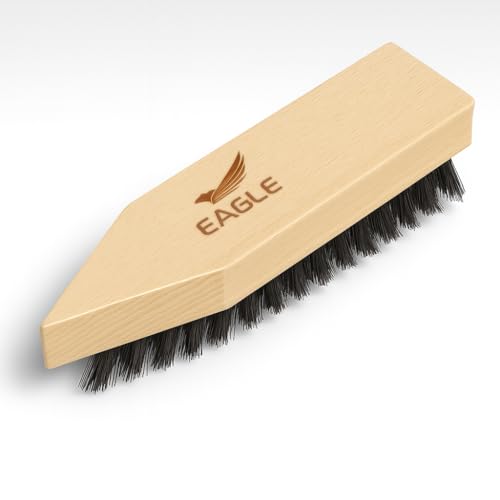
- Stiff nylon shoe cleaning brush for football boots and cleats


Before You Start
Prepare a dedicated cleaning area. Use cold or lukewarm water; hot water can damage glues and synthetic uppers. Remove laces and insoles if possible to give brushes full access to all surfaces. Allow boots to dry completely before re-lacing or wearing. Important cautions: never machine-wash football boots and avoid direct heat sources like radiators or sunlight, which can warp materials and degrade adhesives.
Step-By-Step: How To Clean Football Boots
- Remove laces and insoles to access all areas, then place the boots on a clean, dry towel.
- Rinse off loose mud under cold running water to prevent mud from drying into crevices.
- Use a soft-bristle brush or brush set to loosen dirt from the upper, tongue, and seams without scrubbing too hard.
- For stubborn spots, mix a mild soap solution (a small amount of dish soap in water) and apply with a sponge, then gently scrub in circular motions.
- Clean the outsole and studs with a dedicated stiff nylon brush to remove caked grass and dirt, ensuring stud wells are clear.
- Rinse the boots again to remove soap residue, then blot excess water with a microfiber towel.
- Air dry away from heat sources. Stuff the boots with paper towels to maintain shape and wick moisture from the interior.
- Reassemble laces and insoles once the boots are completely dry; store in a dry, ventilated area.
- Optional odor control: lightly spray a boot-safe deodorizer or wipe the interior with a microfiber towel lightly dampened with water and a small amount of mild soap, then air out completely.
- Regular maintenance: wipe down after games, and perform a deeper clean weekly during heavy use or after wet conditions.
- For leather uppers, condition with a leather-safe product after full drying to maintain suppleness.
Troubleshooting
| Symptom | Likely Cause | Fix | Prevention |
|---|---|---|---|
| Bad odor persists after cleaning | Moisture trapped inside | Air dry completely; use boot-safe deodorizer between sessions | Dry thoroughly after every use |
| Stains remain after cleaning | Stubborn grass or clay | Spot clean with a mild soap solution and a soft sponge; repeat as needed | Rinse promptly after play, avoid letting mud dry |
| Upper feels stiff after drying | Heat exposure or over-drying | Air dry away from heat; do not use direct sun | Control drying environment |
| Studs loosen or corrode | Exposure to moisture or impact wear | Inspect and replace worn studs; clean stud recesses | Regular inspection after heavy use |
Common Mistakes
- Using hot water or a hot iron on boots
- Running the boots through a washing machine
- Over-soaping leather uppers or leaving soap residue
- Drying directly in sunlight or on heaters
- Neglecting to dry the interior fully, leading to odor and mold
Tips For Best Results
- Keep a dedicated cleaning kit at home or in the team bag for quick access after training.
- Use a microfiber towel to buff the surface after drying for a subtle shine and improved dryness.
- Store boots properly, away from moisture and in a ventilated area to protect the shape and materials.
- For mud-heavy sessions, rinse boots before mud hardens to ease cleaning.
- If boots have leather components, apply a leather conditioner after complete drying to preserve pliability.
Call A Professional
Seek professional help if boots show significant damage such as cracked uppers, separated soles, or persistent odor that resists cleaning. If you notice chemical damage from cleaning agents or unusual discoloration, a professional cobbler or boot specialist can advise on repair or replacement options.
FAQ
Can I use a household brush to clean football boots?
Yes, but select brushes with soft or medium stiffness to avoid scratching delicate uppers. Use a dedicated boot cleaning brush set when possible.
How often should I clean football boots?
Wipe and rinse after every game; perform a deeper clean weekly or after heavy use, especially in muddy conditions.
Is it okay to air-dry boots outside?
Yes, but avoid direct sunlight and high heat to prevent material damage. Dry in a shaded, well-ventilated area.
Do I need to remove the insoles for cleaning?
Removing insoles helps reach inner surfaces and dries them more completely, reducing odor buildup.
What should I use to deodorize boots?
Boot-safe deodorizing sprays or lightly scented towels work well; ensure any product used is suitable for athletic footwear materials.
Buying Guide
When choosing cleaning tools for football boots, consider size, durability, and compatibility with boot materials. Look for a boot cleaning brush set that includes nylon bristles for uppers and a stiff nylon brush for soles. A microfiber towel complements the kit by drying and buffing without leaving fibers behind. A dedicated cleat cleaning kit ensures you can reach tight spaces around studs and seams. For teams, having a compact, portable kit may encourage athletes to clean boots consistently.
Buying Guide: Key Factors To Consider
- Size and weight: Compact tools are easier to carry in a bag without adding bulk.
- Brush stiffness: Nylon bristles are gentle on synthetic uppers, while stiffer brushes tackle mud and grass.
- Material compatibility: Ensure tools are safe for leather, synthetic uppers, and rubber soles.
- Pad and towel quality: A soft microfiber towel dries efficiently without leaving lint.
- Water resistance: Some kits include water-safe compartments or spray bottles; use only as directed.
- Storage and portability: A zippered pouch keeps components organized and ready for travel to games.
With the right tools and a simple routine, cleaning football boots becomes quick and effective, helping players maintain performance and extend the life of their cleats. Ready to start? Gather your brush set, microfiber towel, and a mild soap solution, then follow the step-by-step guide after your next session. Clean boots are ready for the next kickoff and keep your game-day gear looking and performing its best.
Leave a Reply